4 Safety Tips for Hunting Hogs in 2026
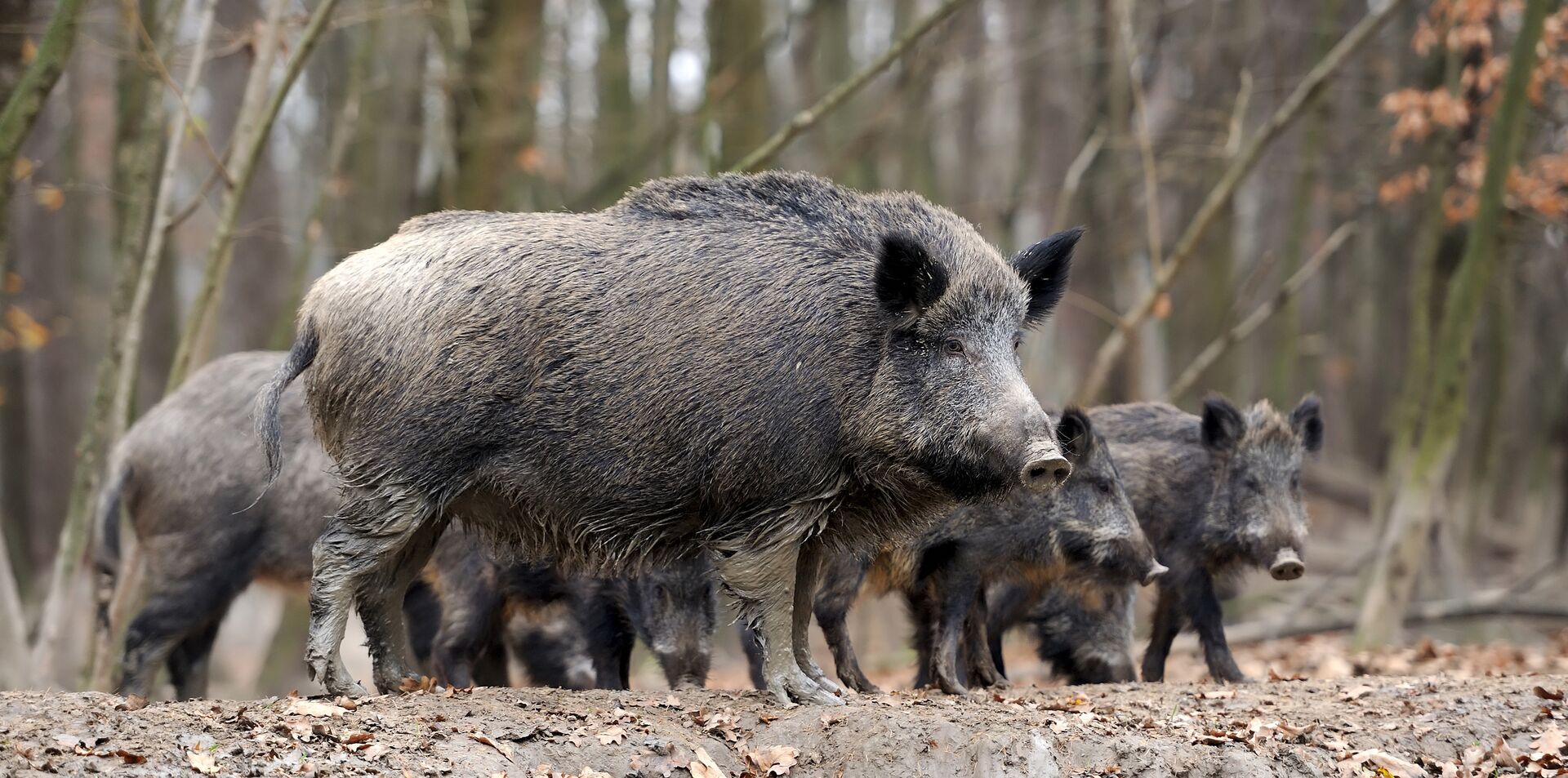
Hunting hogs carries an inherent risk, so you want to be as safe as you can whenever possible. Wild hogs can be mean, strong, and angry — plus, hunting them usually requires getting close.
To stay safe when hunting hogs, hunters must apply these four safety tips:
- Understand Hog Behavior
- Use the Right Equipment
- Hunt with a Partner
- Wear Protective Gear
While our hunter education courses help people learn how to stay safe when hunting in general, today, we'll talk more about these four safety tips for bringing home the bacon.
Updated March 17, 2026
1. Be Aware of Hog Behavior
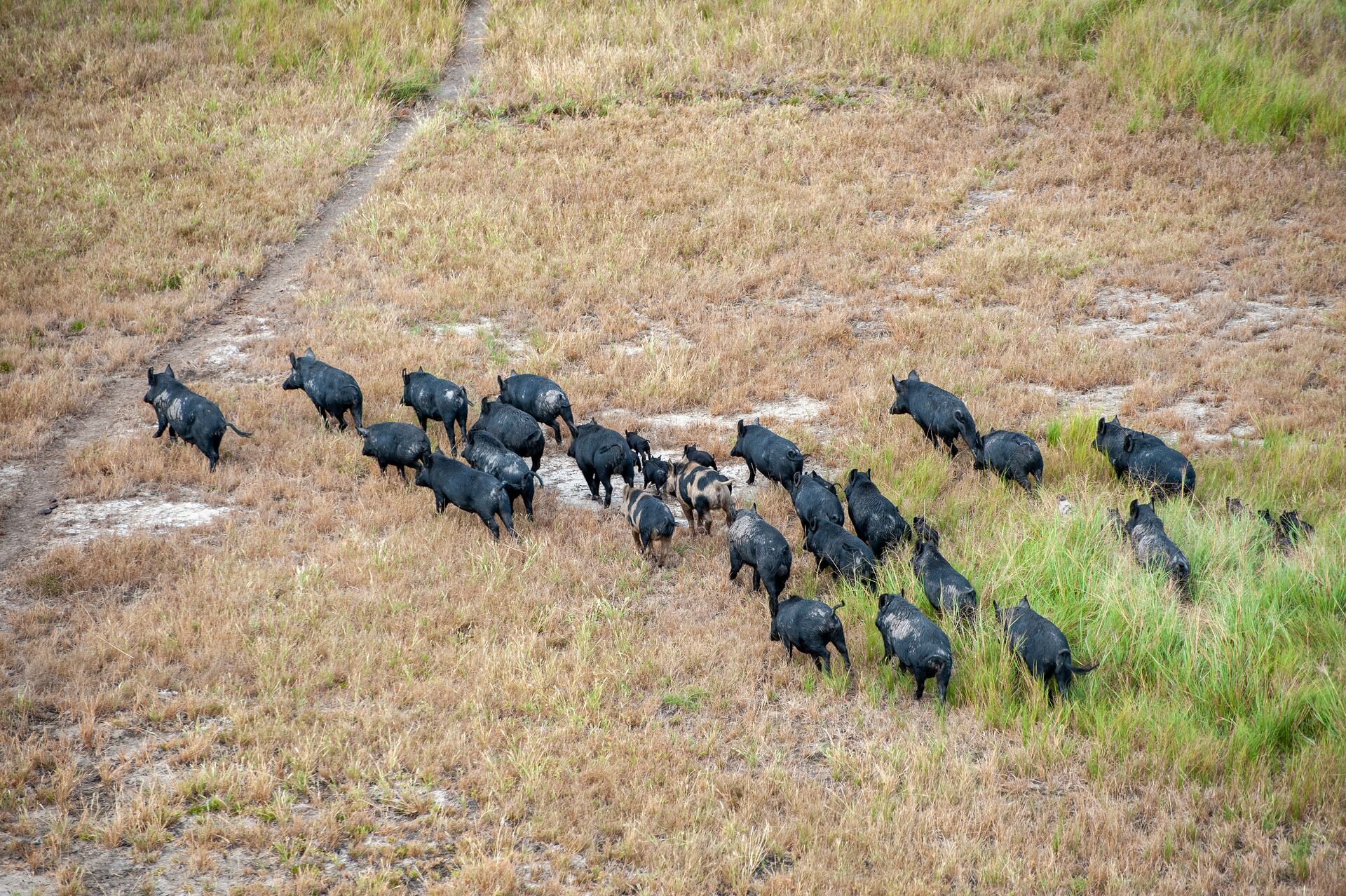
Hogs are aggressive and unpredictable wild animals. They'll sometimes charge without warning, especially when they're cornered or threatened. They can be particularly dangerous in areas with thick vegetation, where visibility is limited, and there might not be a tree to scramble up or hide behind.
On a recent hunt in Florida, we utilized bay and catch dogs to track and corner hogs in dense cover. Hogs will attempt to escape or retaliate if they feel trapped in that swampy, overgrown terrain.
When hunting these animals, never forget the following:
- Keep Your Distance: Stay at a safe distance from hogs, even when they're held by catch dogs, to avoid unexpected charges. This is especially important if you encounter sows with piglets that may become aggressive if you get too close to her babies.
- Watch for Warning Signs: Look for signs of aggression, like raised hackles or vocalizations. These signs often indicate that a hog is preparing to charge.
- Be Ready to Move: Always have an escape route or defensive strategy in mind. If a hog does charge, be prepared to take defensive action or retreat slowly and calmly. Do not run, as this can trigger the hog to run after you.
- Always Know Where Others Are: Whether you're hunting with buddies or your dog, or you are near other groups of hunters, always know where others are in the field to avoid shooting anything other than a hog.
Understanding hog behavior and your surroundings helps you stay prepared for their sudden movements and reduces the risk of injury.

2. Use Proper Firearms and Ammunition
When it comes to taking down a hog, having the right firearm and ammunition is crucial.
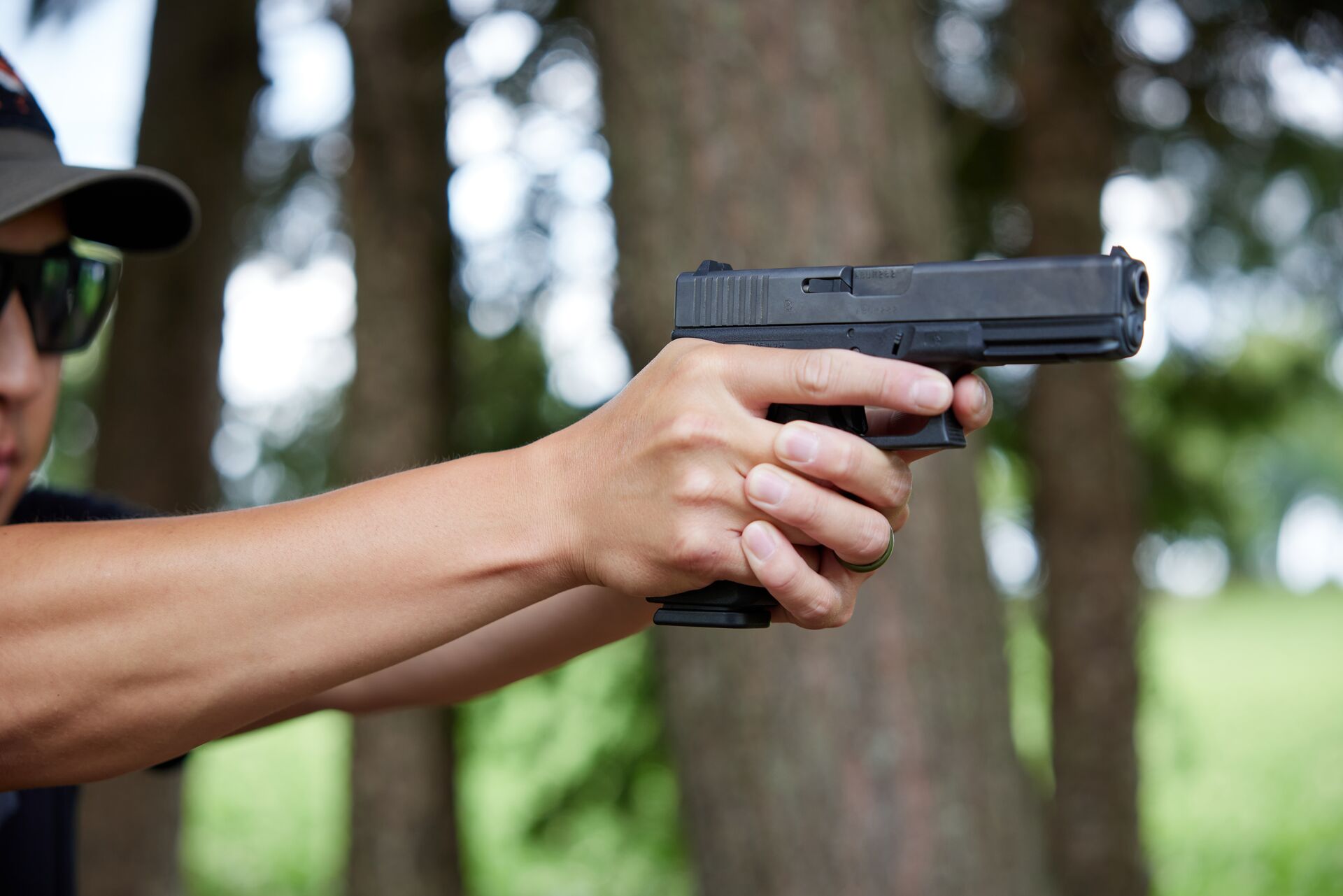
Hogs have thick skin and bones. They're incredibly tough and resilient animals, so using a gun that has stopping power is essential. For that recent hunt, I used a Glock 20 chambered in 10mm with hollow points, which proved effective at close range.
Here are some key points to consider:
- Choose the Right Caliber: A 10mm handgun is one of the most effective guns for hog hunting, providing the power needed for ethical, humane shots. While handguns can be practical in close quarters, always ensure your caliber is appropriate for the size of the game.
- Opt for Hollow Points: Hollow-point ammunition expands upon impact, increasing stopping power and reducing the chances of wounding an animal without a quick, humane kill. This type of ammo is especially helpful in penetrating a hog's tough hide.
- Consider Shot Placement: Aim for vitals like the heart or lungs to ensure a clean kill. The proper weapon will also allow for quick shots behind the ear. You'll reduce the risk of the hog escaping and suffering with the right shot.
Using the right firearm and ammunition is the baseline for ethical hog hunting. In addition to ensuring a humane kill, the right firearm also provides a layer of safety in case of aggressive hog behavior.
Bonus Tip: Inspect your firearm before your hunt and practice using it safely before heading into the field. You'll want to know how to use it confidently and safely when in the excitement of a hog hunt.
3. Hunt with a Partner
I mentioned it before, but it bears repeating: Hog hunting can be dangerous.
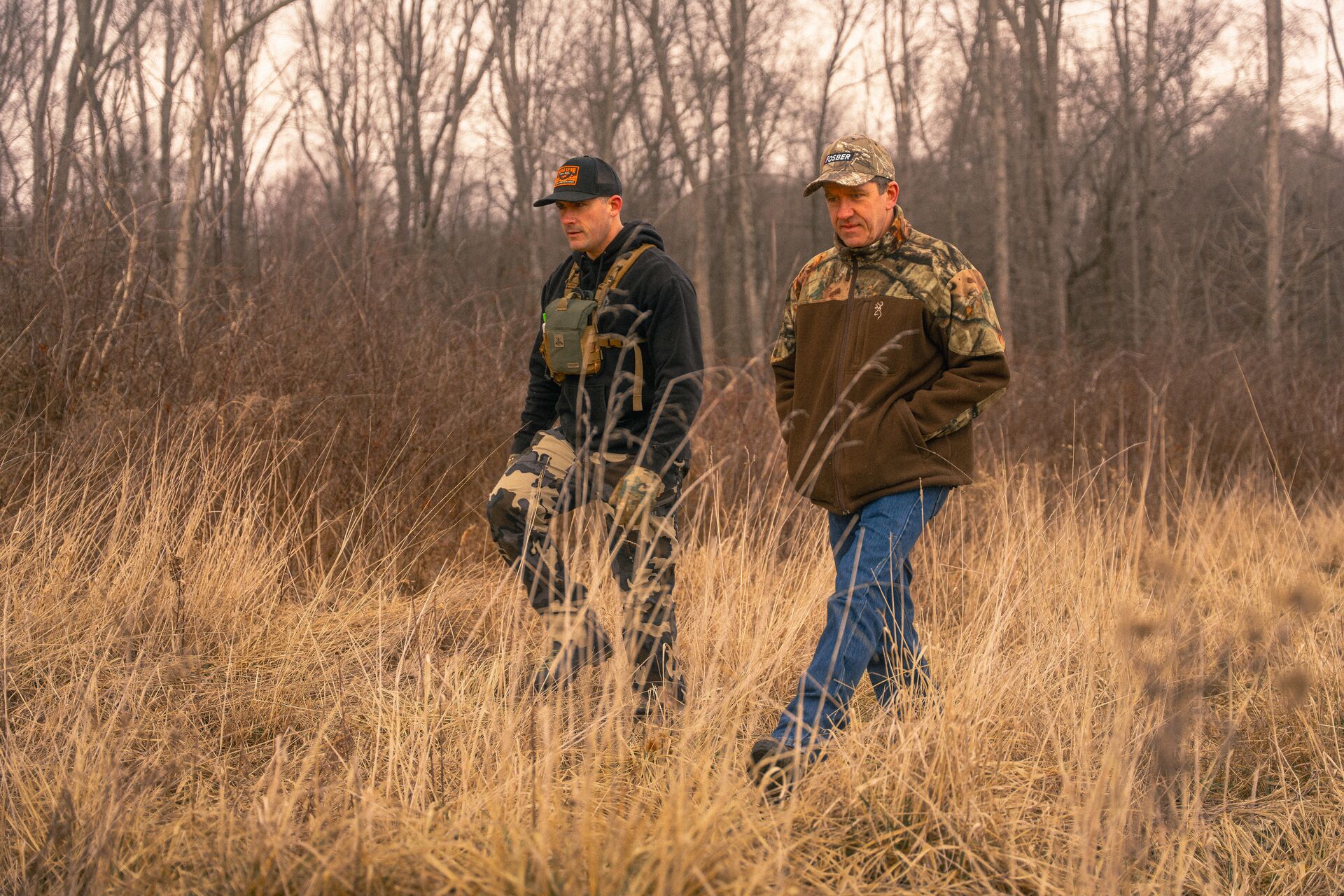
It's especially dangerous in close quarters or at night. Having a partner with you increases safety, plus it makes hunts more productive and fun.
During my recent hunt, my partner and I took turns working together to track hogs in dense cover, with one handling the dogs and the other prepared to take a shot if needed.
Whether you hunt hogs in Alabama or Texas, hunting with a partner offers three critical advantages:
- Backup in Emergencies: A partner can provide support if a hog charges or someone gets injured. For example, if a hog breaks through the catch dog's grip, having an additional firearm ready can save the dog — or you.
- Tracking Assistance: Hogs can be challenging to track once shot, especially in thick brush. Having a partner there to help trail through briars is pretty important when the time comes.
- Improved Communication: With the help of radios or even verbal signals ahead of time to help coordinate movement, it'll be easier to manage dogs and handle aggressive hogs efficiently.
Having a hunting partner is common sense, and common sense is a core part of hunting safely.
4. Wear Protective Gear
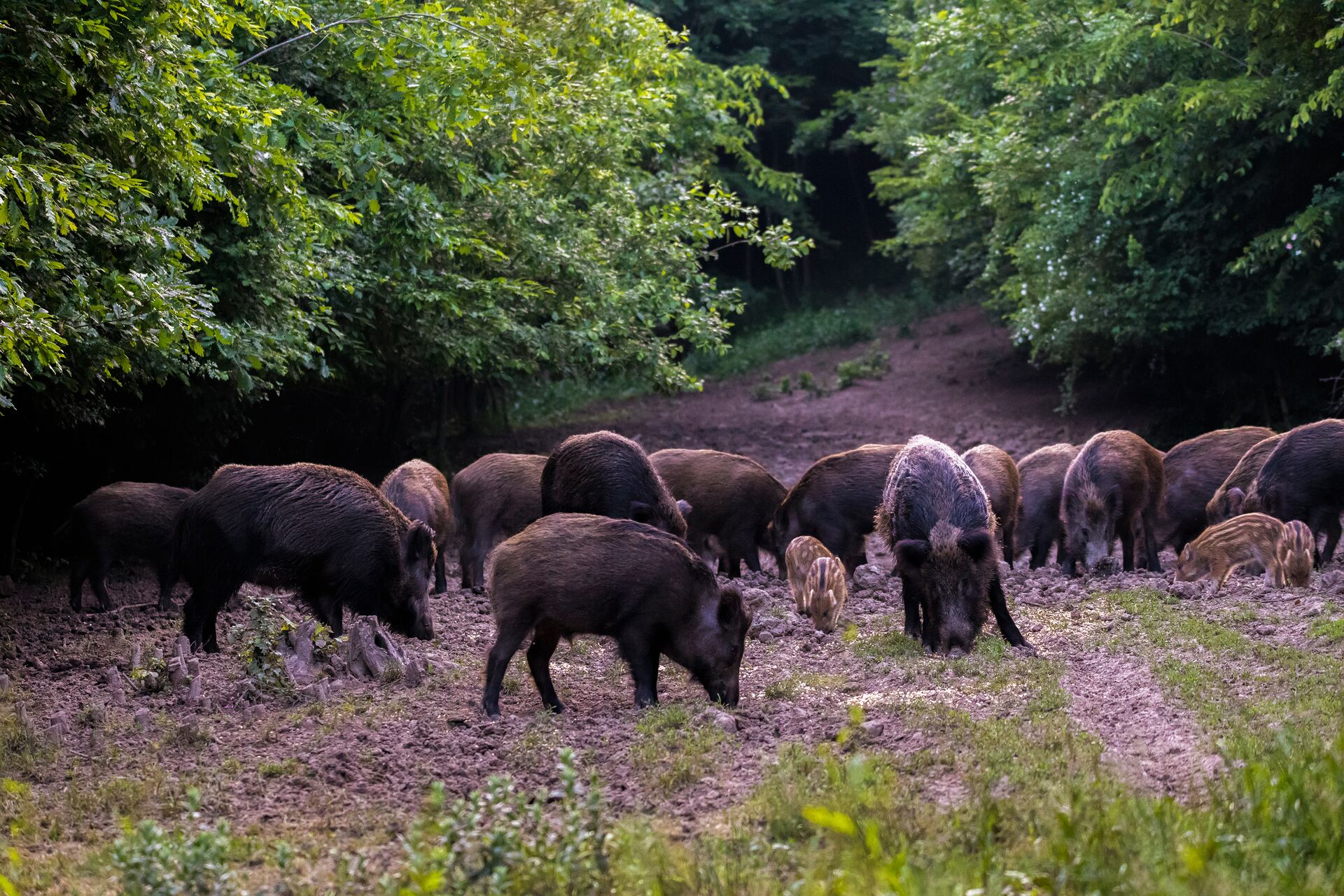
Hog hunting can be physically demanding, and the hogs are well-equipped to defend themselves. With sharp tusks and powerful bodies, they can inflict serious injuries if they get too close.
Wearing the right protective gear is essential for minimizing injury risks, whether hunting in Georgia or other areas where hog hunting is good. Your protective gear should include:
- Sturdy Clothing and Boots: Thick, durable clothing helps protect against scratches and bites, while reinforced boots provide additional protection. Waterproof snake boots will help protect against both snakes and hogs.
- Gloves and Hand Protection: Use gloves while handling or field-dressing hogs. Gloves protect against cuts and help prevent contact with parasites and the harmful bacteria that cause swine brucellosis.
- Eye Protection: If you're using dogs to catch or bay hogs, you're by definition "close" to the action. Eye protection shields you from debris or accidental strikes.
Talk to others in your area about what works well there. The right gear ensures you're prepared to face the inevitable curveballs a hunt will throw at you.
Learn More About Safety When Hunting Hogs through Hunter Education
Hog hunting can be a rewarding and thrilling experience, but you have to be sure to prioritize safety. During my hunt in Florida, I understood hog behavior, used an effective firearm and ammunition, hunted with a partner, and wore the right protective gear, all of which proved essential.
These safety precautions will make your hunt as fun and successful as mine was.
In addition to the safety tips we shared today, taking a hunter safety course through Hunter-Ed will enhance your understanding and preparedness before a hog hunt — or a hunt for any species. Our online courses are an easy, interactive way to learn best practices for safety, handling firearms, and understanding game behavior.
Plus, Hunter-Ed helps you meet your state's requirements for hunter education!
Now is the time to make sure you've taken the hunter education course for your state! Don't let hunting season get here without it.

Content most recently reviewed and updated March 17, 2026.
Frequently Asked Questions (FAQs)
We have answers to your questions about staying safe when hunting hogs!
Q: What are the best tips for hog hunting?
A: The best tips for hog hunting include scouting for signs (tracks, rooting, wallows), hunting near food/water sources, going at dawn/dusk or night, staying downwind (hogs have a strong sense of smell), using proper caliber/equipment, and aiming for vital zones (behind the ear or shoulder).
Q: What are the four C’s of hunting?
A: The Four Cs of hunting are Careful, Considerate, Capable, and Courteous. Focus on safety, respect for others, skill, and ethical behavior.
Q: What safety precautions should you take when hunting?
A: The safety precautions you should take when hunting include always treating firearms as loaded, keeping the muzzle pointed in a safe direction, wearing blaze orange, identifying your target and beyond, using proper gear, letting someone know your plan, and following local laws.
Q: What is the key to safe hunting?
A: The key to safe hunting is proper training and constant awareness. Know your equipment and surroundings, and maintain safe habits at all times.