Hunting 101: A Beginner's Guide to Hunting Terminology (and More)
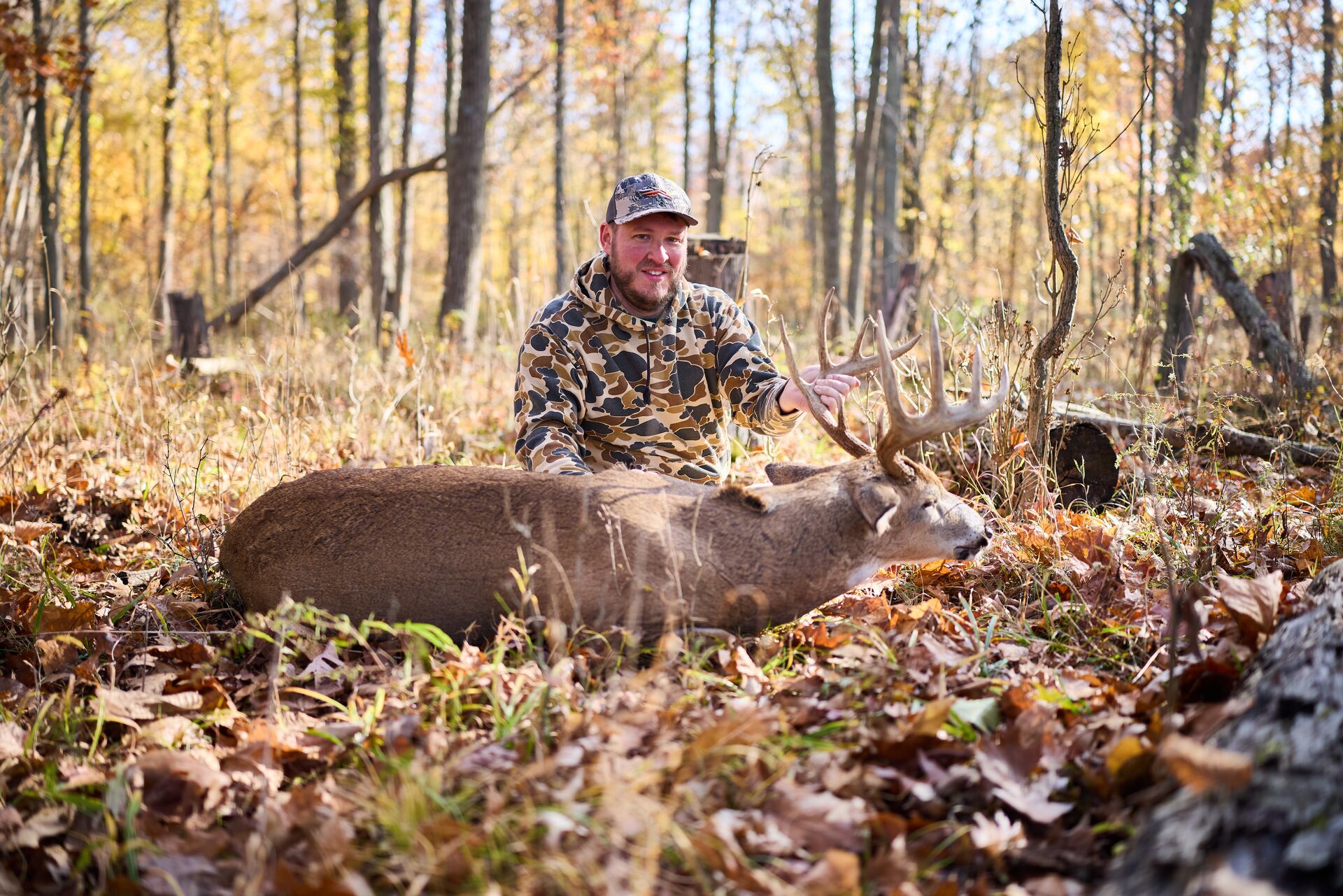
Hunting connects us to nature, tradition, and a sense of self-reliance. For new hunters, the pastime's unique terms can make it feel like learning a whole new language.
Learning basic hunting terminology can be easy, and knowing the right terms can lay a foundation for safe hunting, clear communication, and an appreciation for the sport's heritage.
In this guide, we'll cover key terms, the main types of hunting, and the gear and preparation you need before heading into the field.
What Are Some Common Hunting Terms I Should Know?
Knowing these words and phrases helps you understand regulations, navigate safety rules, and talk with other hunters confidently.
Hunting Terminology for Beginners | |
Game Animals | Wildlife species that you can legally hunt for food, fur, or sport. The main categories are big game (deer, elk, and bear), small game (rabbits and squirrels), and migratory birds (ducks and geese). |
Bag Limit | The maximum number of a species you're allowed to harvest in a day or season. Bag limits protect wildlife populations and promote sustainability. |
Blaze Orange | The bright color hunters wear to stay visible to others while remaining inconspicuous to game. It's required in most firearm seasons, and it drastically reduces accidents. |
Fair Chase | The ethical principle that animals should have a reasonable chance to escape. Fair chase hunters practice restraint, respect, and sportsmanship. |
Tag | A government-issued document that lets you harvest a specific animal. After a successful hunt, attach the tag according to your state's regulations. |
Hunting License | The legal requirement (or document) that allows you to hunt. You can typically purchase a hunting license after completing a hunter education course, and you must carry the license on your person or in the state app on your phone. |
Hunting Season | The designated time period in which hunters may harvest specific game. Seasons vary by species, region, and weapon type. |
Harvest | The lawful taking of a game animal. Most of us use "harvest" instead of "kill" to emphasize our respect for the animal and sport. |
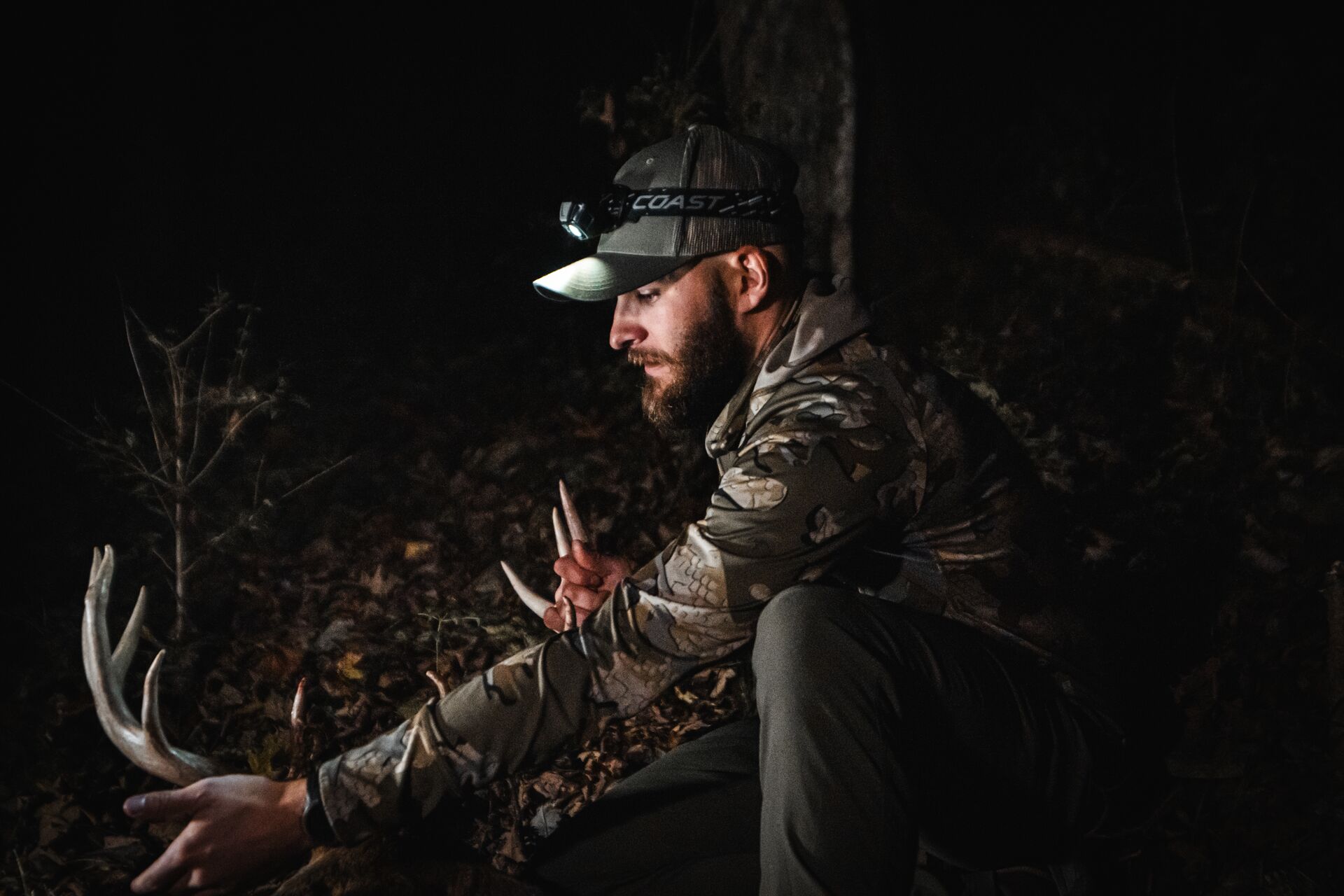
Field Dressing | The removal of an animal's internal organs soon after harvest to preserve meat quality. Always use clean tools and proper gloves for safety. |
Conservation | The cornerstone of modern hunting. License and tag fees fund habitat management, research, and wildlife restoration. |

What Are The Types Of Hunting?
There are many ways for beginners to start hunting.
- Big Game: larger animals such as deer, elk, bear, and moose
- Small Game: rabbits, squirrels, and upland game birds
- Waterfowl: ducks, geese, and other migratory birds
- Turkey Hunting: both spring and fall hunting seasons
- Bow Hunting: hunting with compound or traditional recurve bows
- Firearm Hunting: using rifles, shotguns, or muzzleloaders
Let's take a closer look at some tips for each type of hunting.
Big Game – Deer Hunting for Beginners
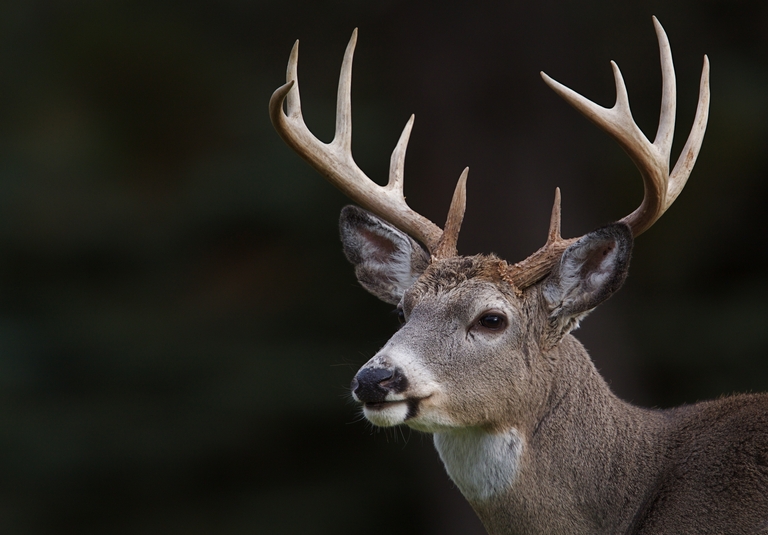
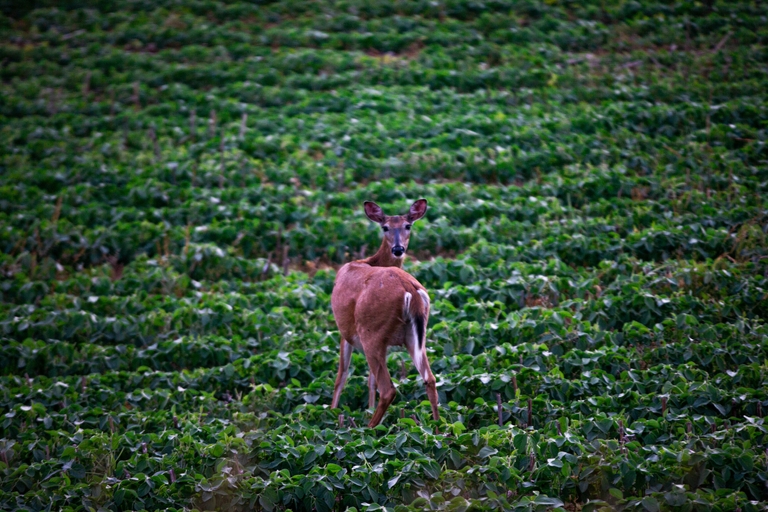
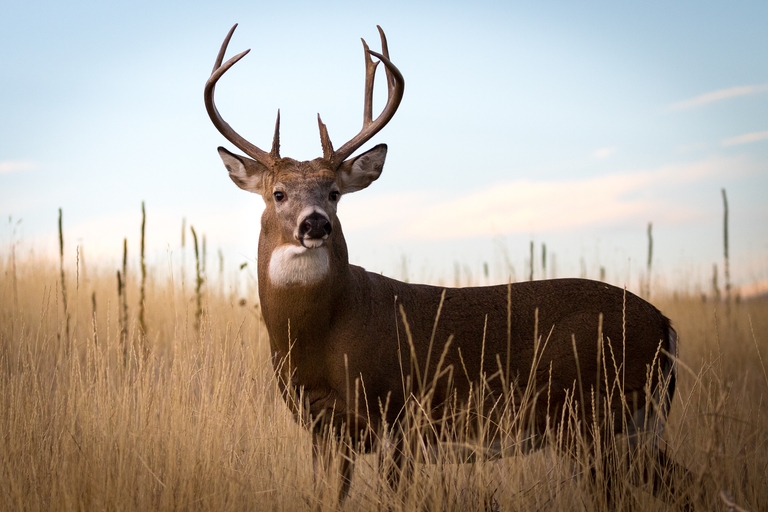
Deer hunting for beginners often starts with understanding deer behavior, scouting, and tree stand placement. Early mornings and evenings are the most active times for deer.
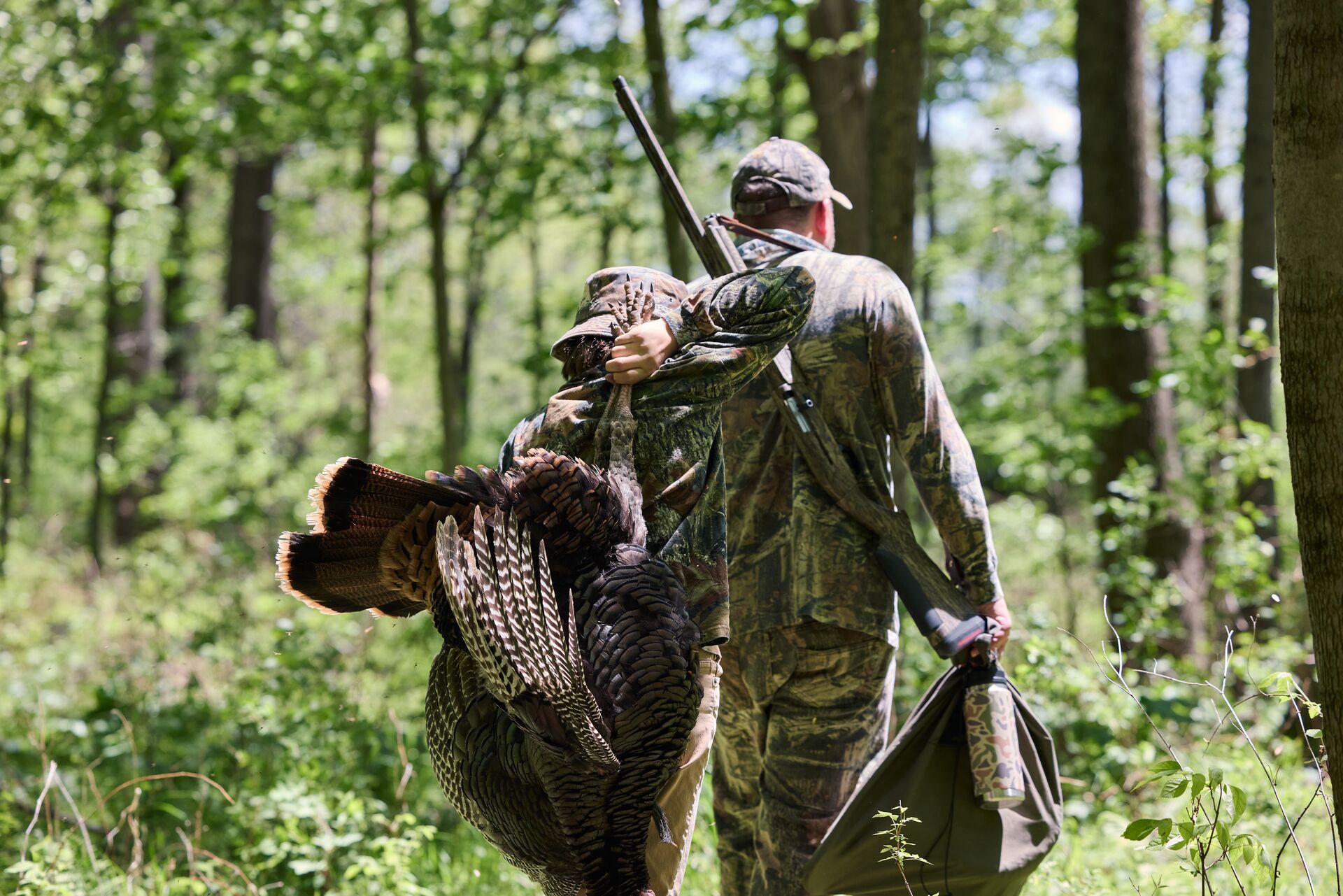
Turkey Hunting for Beginners
Small Game
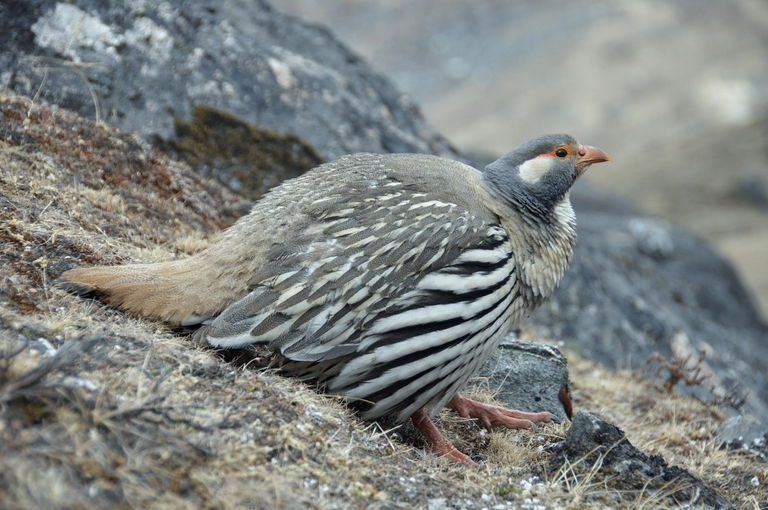
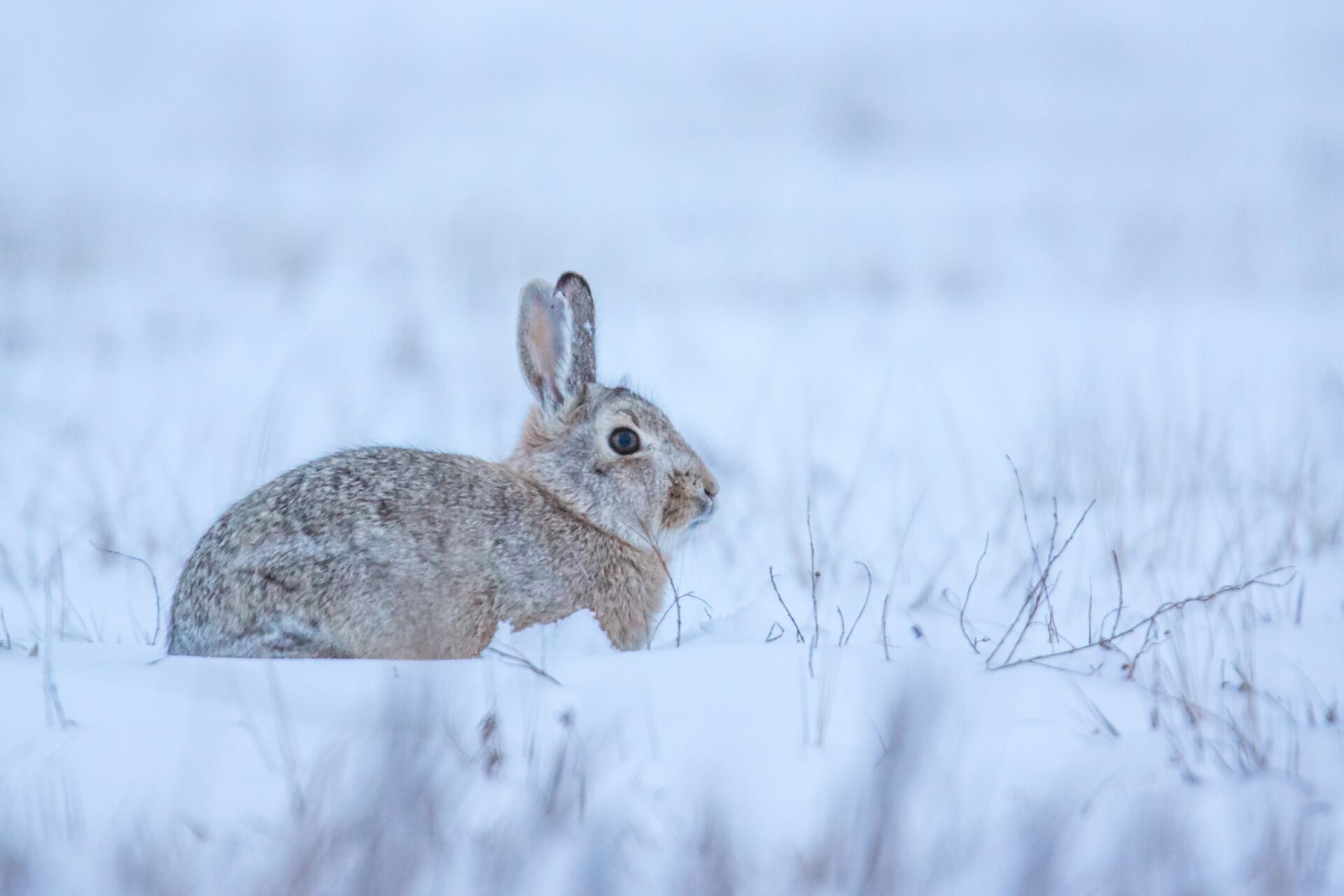
Small game includes species such as squirrels, rabbits, and upland birds. It's an ideal way to start hunting because it requires less specialized gear and teaches essential skills such as tracking and patience.
Waterfowl and Duck Hunting for Beginners
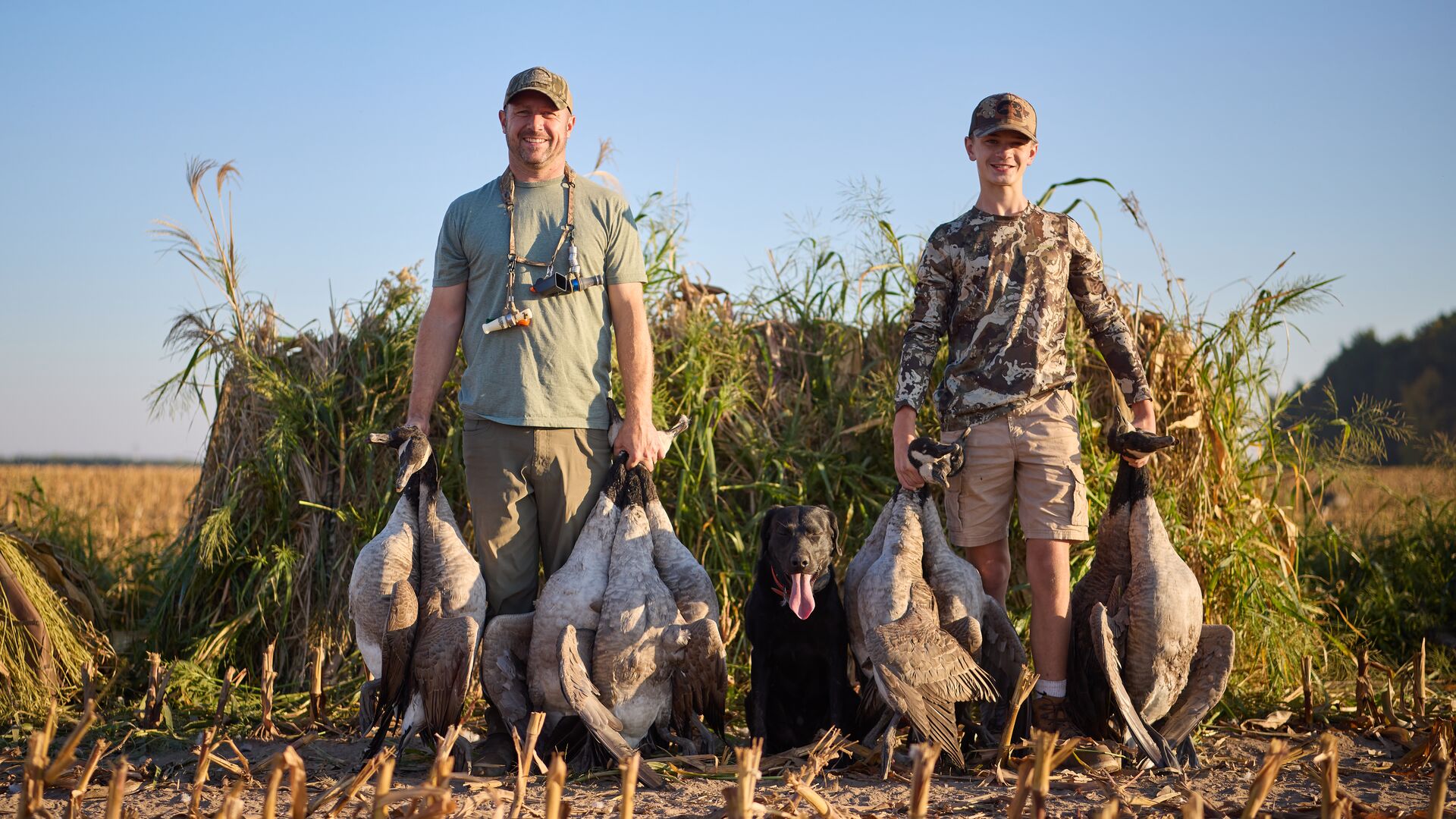
Learning duck hunting for beginners means understanding decoys, blinds, and calls to attract birds over water. Hunters often wade into wetlands wearing waterproof gear and using non-toxic shot.
Note that federal duck stamps and daily limits apply.
Bow Hunting for Beginners
Bowhunters use recurves, compounds, or crossbows. The ethical range is shorter than that of firearms, so accuracy and shot placement are key.
Bow hunting for beginners means practicing regularly to ensure quick, humane harvests.
Firearm Hunting
Firearm hunting covers rifles, shotguns, and muzzleloaders.
Every firearm hunter should understand safety fundamentals. Keep the muzzle pointed in a safe direction, accurately identify targets, and know when to wear blaze orange.
Hunting Rifles for Beginners
For those starting with firearms, the best hunting rifles for beginners include bolt-action, lever-action, and single-shot models. Popular calibers such as .243, .270, and .308 offer mild recoil and reliable accuracy.
What Is the Easiest Animal to Hunt for Beginners?
Small game often works best for first-time hunters.
Rabbits and squirrels rest at midday and night, live in accessible areas, and don't require specialized equipment. Hunting small game teaches marksmanship, patience, and how to read animal signs.
What Do I Need for My First Hunting Trip?
Preparation matters just as much as marksmanship. Having the right gear makes your trip safer and more enjoyable.
Essential gear includes:
- Valid hunting license and required tags
- Blaze orange clothing for visibility
- A firearm or bow with proper ammunition or arrows
- Field dressing tools (knife, gloves, and game bags)
- Map, compass, or GPS for navigation
- Food, water, and a small first aid kit
Your equipment may change depending on what and where you hunt, but these basics form the backbone of every beginner's hunting checklist.
What Is The First Step To Becoming a Hunter?
Begin by enrolling in a certified hunter education course. These programs teach hunting terminology, firearm safety, wildlife laws, and ethics. Completing hunter education fulfills legal requirements and builds confidence for your first season.
For added preparation, try to find mentors or join local clubs to learn from others.
Learn More Hunting Terminology and Safety Essentials with Hunter Education
Mastering hunting terminology and understanding different hunting styles helps you feel prepared and confident outdoors.
Just remember: whether you start with small game or big game, safety is always paramount.
Learning never stops in hunting, and every trip to the field teaches us patience, awareness, and respect for wildlife. Before you head into the field, take a Hunter-Ed hunter safety course to build your vocabulary, stay compliant with state laws, and take the first step toward becoming a hunter.
Note that most states require hunters to carry a hunter education certification! Hunter-Ed makes it easy to comply with your state's requirement through our online course.
As you plan your next hunt, make sure you have the safety certification you need for your state's requirements.

Frequently Asked Questions (FAQs)
We have answers to questions about learning hunting terminology as a beginner hunter!
Q: What are some common hunting terms I should know?
A: Some important hunting terms you should know include: Bag limit (allowed take), season (legal dates), blind (concealment spot), still-hunting (slow stalking), field dressing (initial game cleaning), and scent control (reducing human odor).
Q: What is the easiest animal to hunt for beginners?
A: The easiest animal to hunt for beginners is small game, like rabbits or squirrels. These animals are widely available, require simple gear, and offer good skills practice.
Q: What do I need for my first hunting trip?
A: When gearing up for your first hunting trip, you'll need a hunter safety certification (take a hunter education course), a valid license/tag, basic safety gear (blaze orange, first-aid kit), weather-appropriate clothing, a legal hunting tool (firearm/bow) with ammo or arrows, navigation tools, and knowledge of local regulations.
Q: What is the first step to becoming a hunter?
A: The first step to becoming a hunter is to complete a state-approved hunter education course (like Hunter-Ed) and learn local laws and safety practices.
Q: What are some hunting sayings?
A: Some common hunting sayings include, “Take only shots you can make,” “Hunt hard, hunt smart,” “The real trophy is the experience,” and “Wind is the hunter’s friend and enemy.”
Don't hunt without your hunter safety certification (especially if your state requires it).