How to Get Ready for Early Season Deer Hunting
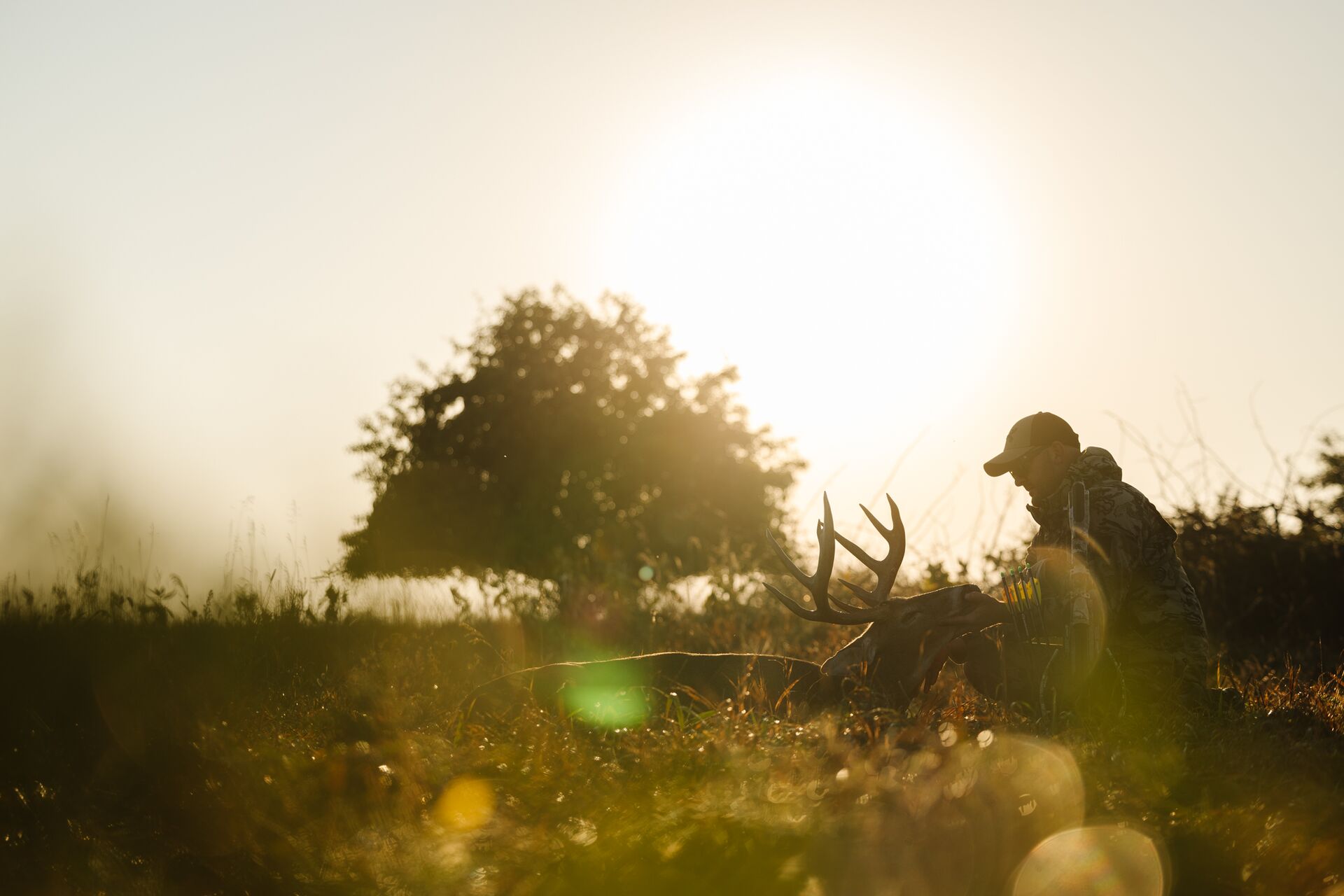
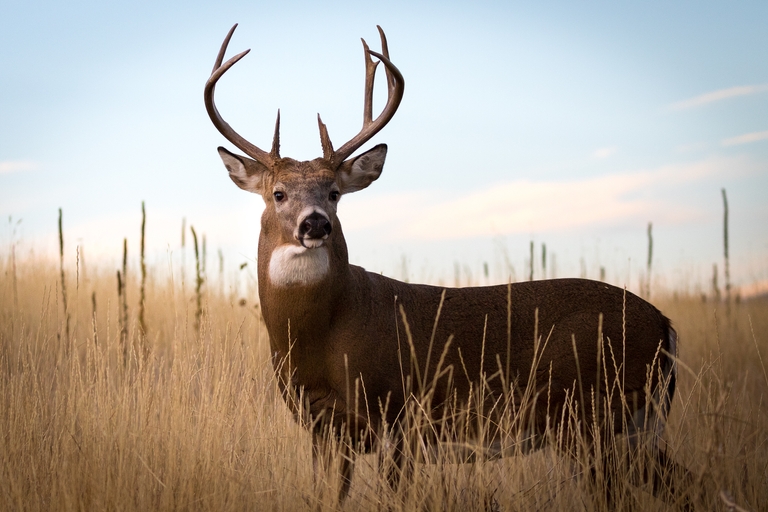
Early season deer hunting offers some of the best chances you'll get at a mature buck. Pressure is low, deer are more predictable, and a parade of hunters hasn't spooked them silly yet.
But you need a plan of attack.
Getting ready for early season is different than preparing for peak rut action. You'll focus more on patterns than calling or chasing. To achieve early-season success, you need to fine-tune your scouting and gear preparation, stand access, and scent control. Here's what you need to know.
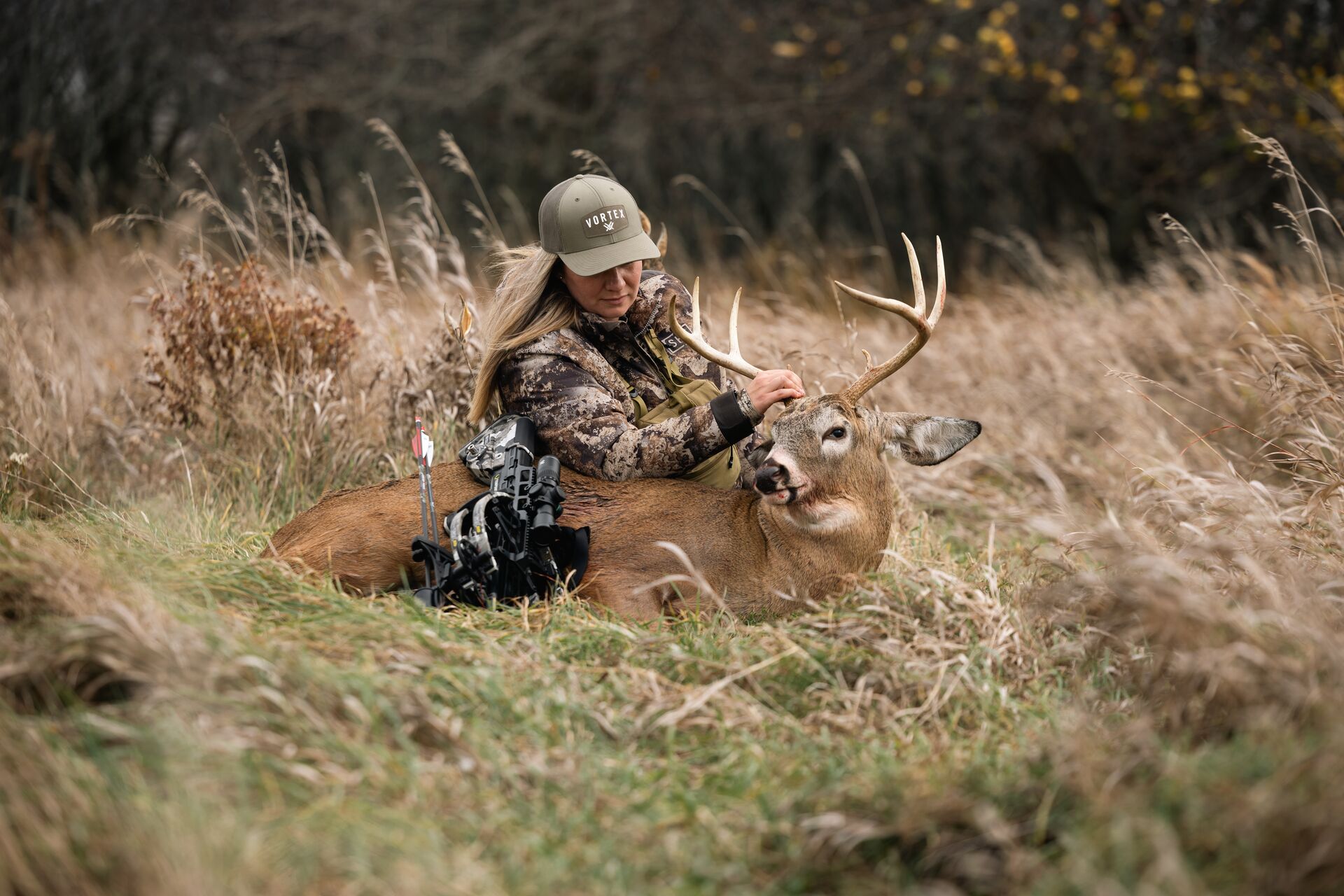
Scout Early and Often
The best hunters don't just show up on opening day hoping to get lucky. They start learning deer movements before pressure sets in.
Trail cameras are a critical key to success. Set them up over food sources like food plots, farmland, or early acorns. These spots often become buck magnets once their velvet starts to shed.
Another must-try is glassing fields from a distance in the evenings. You'll see where the deer enter and exit without ever leaving scent behind.
Low-impact scouting helps you identify patterns while keeping the deer unaware. It's also worth checking for early rubs or scrapes near bedding areas. Bucks sometimes begin laying down sign early near transition zones between food and cover.
Dial In Your Gear
Early-season heat and humidity can turn a good hunt miserable if your gear isn't up to par.
Sight in your bow or rifle well in advance. Don't wait until the week before the season starts to zero your sights and scopes.
Also, remember that lightweight, breathable camo is essential, and scent control works even in warm, sticky conditions. Look for moisture-wicking layers and spray down before every hunt.
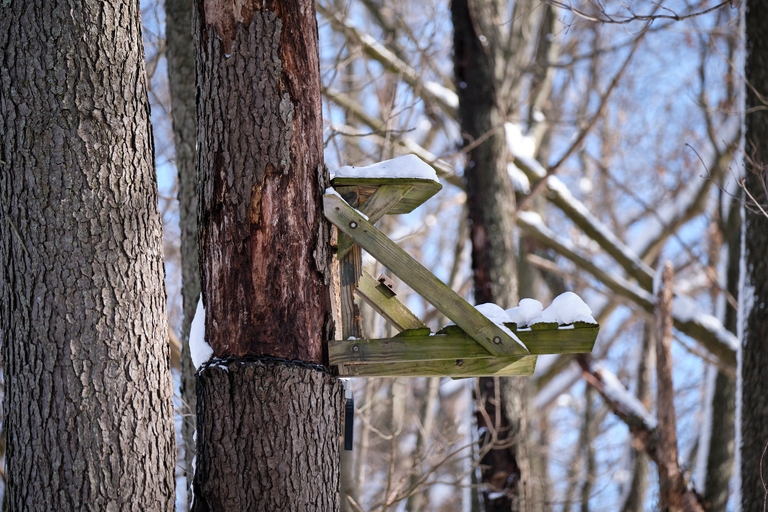
If you're using a treestand, make sure it's safe and silent. Fix that old strap or creaky stand that gives away your location before you even draw your bow. Check harnesses, climbing sticks, and platforms, and practice using them at a low height to rehearse the process safely.
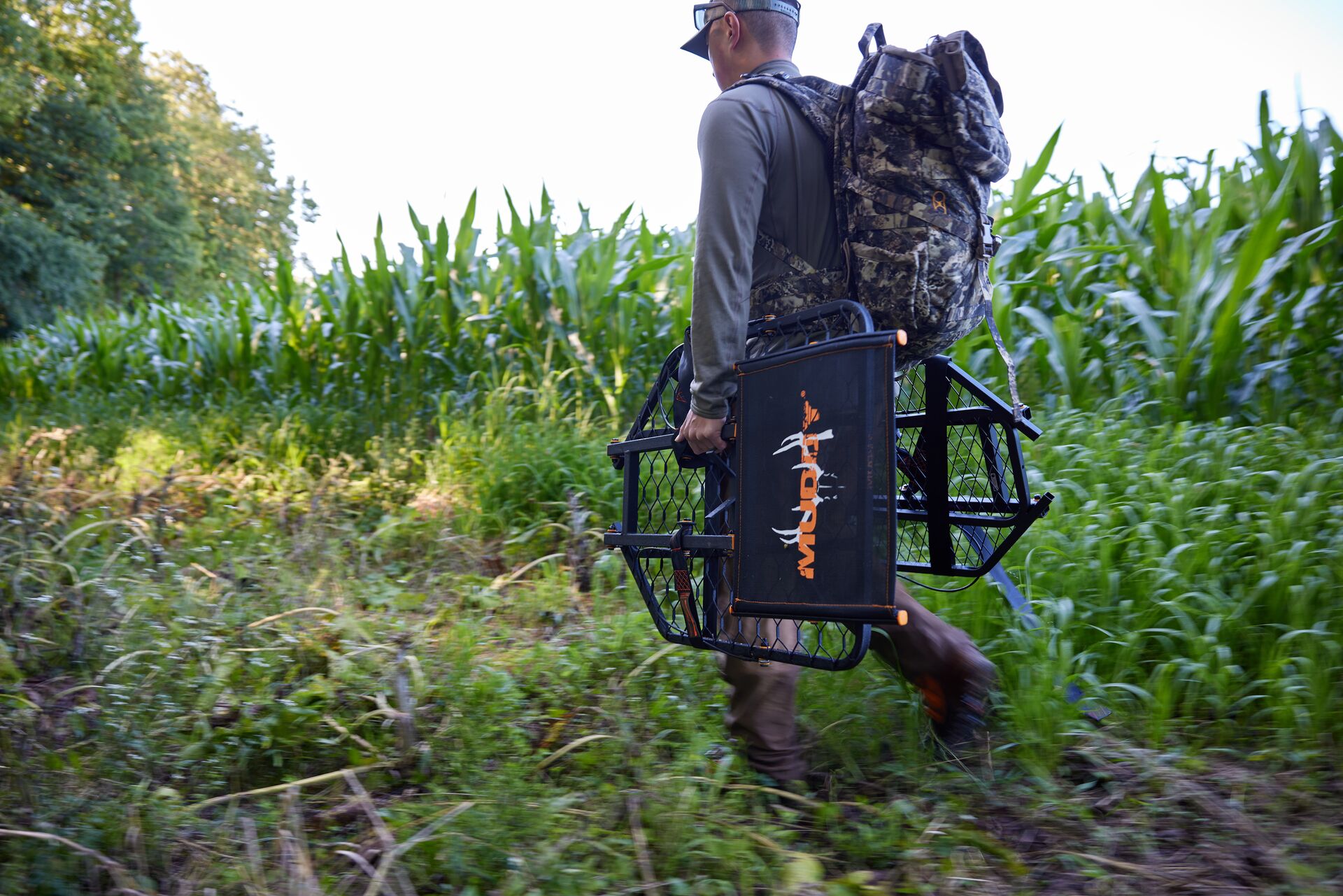
Plan Entry and Exit Routes
Deer might still be in summer patterns, but they're far from careless. One bad approach can blow your chances for days, especially on pressured public land or small private properties. That's why it's crucial to plan how you'll get in and out of your stand.
Use terrain and wind direction to your advantage. A ridge line or thick cover can help conceal your movement. Trim any trails ahead of time and remove crunching leaves or breaking branches on the way in.
Rubber boots and scent-eliminating spray can help cut down your scent footprint.
Focus on Food Sources
Early season deer hunting is all about food. Bucks tend to move on reliable, low-stress routes between bedding and feeding areas. If you can scout deer transition zones, you've got a great chance at intercepting them during legal shooting hours.
Agriculture fields, clover patches, and mast-producing trees (mainly oaks) are early-season hotspots. One of our go-to strategies is hunting staging areas. Find places where bucks hang back before entering open fields.
Avoid hunting directly over food if pressure is high. Deer may wait until after dark to feed in open spaces, especially if they sense human activity.
Play the Wind and the Thermals
Even if you're in the right spot, poor wind management can ruin a hunt. Early season temperatures make wind patterns and thermals tricky, so you'll want to check conditions regularly.
- In the morning, rising thermals can lift your scent into the canopy, meaning you'll want to be set up slightly above the trails deer are using.
- In the evening, falling thermals can drop scent downward, so make sure you're approaching from the downwind side.
Using wind-check powder and apps that track wind and thermals (like HuntWise) can help. One swirling breeze at the wrong moment can ruin a hunt.
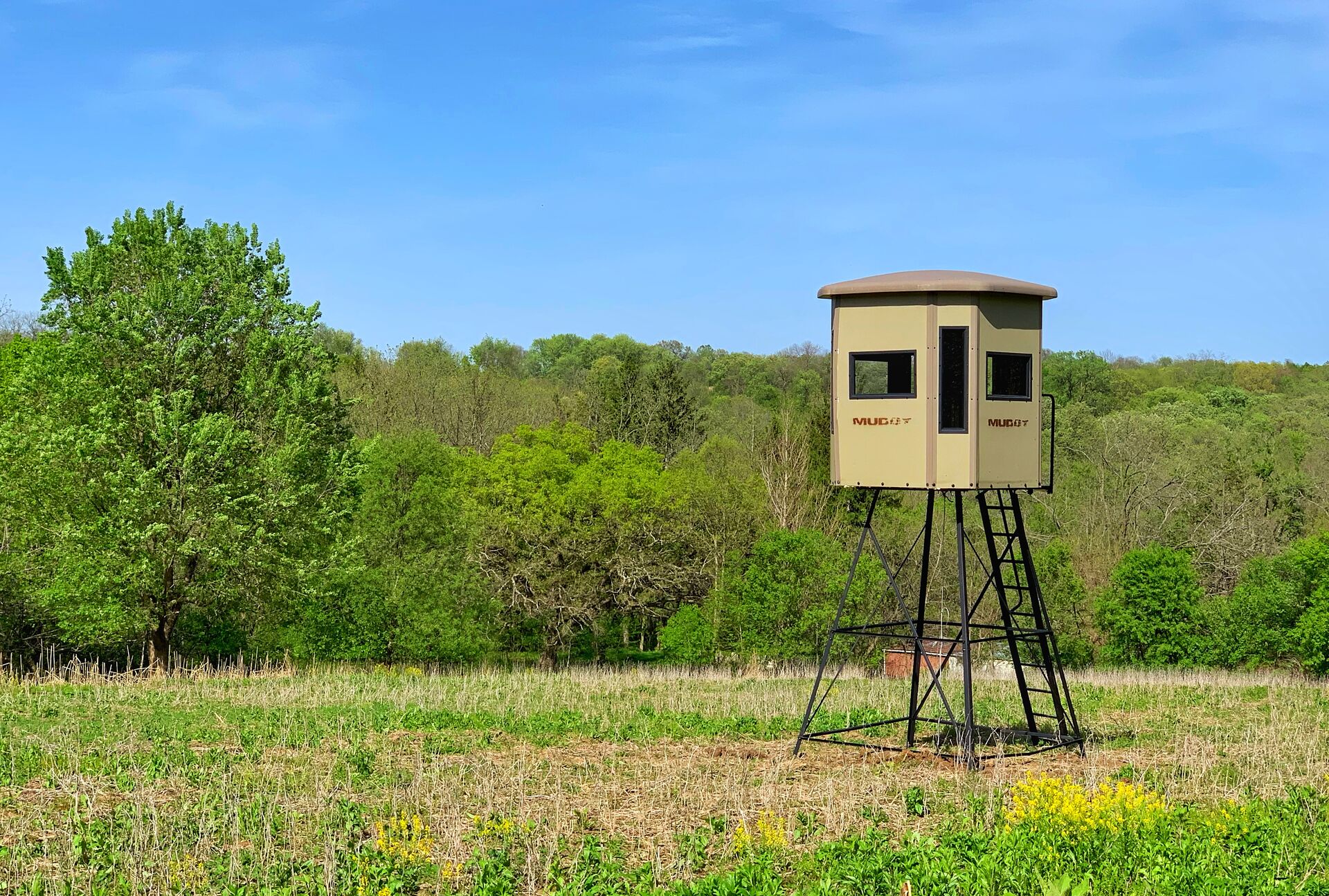
Morning Deer Hunting Tips for the Early Season
Following these early season deer hunting tips will get your morning started off on the right foot.
Be Stealthy in the Dark
Bucks often move right at first light. That means you need to get settled in before they start moving around.
Get to your stand early, and move slowly through the woods. Use a red or green headlamp to reduce the chance of spooking deer, and be familiar enough with your trail to navigate it quietly.
Hunt Bedding Area Edges
Morning hunts work best when you're close to bedding areas, but it's risky to get too close. So hunt the edges in staging areas where cover, wind, and visibility work in your favor.
Bucks may be heading to bed just after daybreak, and a well-placed stand on the outskirts gives you a shot without blowing up the whole zone.
Don't Call Too Much
Deer aren't rutting yet in the early season, and most bucks are still in bachelor groups. That means aggressive grunts and rattles can do more harm than good.
If you call, keep it subtle. A soft bleat or quiet grunt might draw in a curious buck — but only if he's nearby and relaxed.
Stay Cool and Scent-Free
Even in the early morning, it can still be humid. Wear moisture-wicking layers and avoid overheating. Use products to reduce your scent.
Remember that your scent control matters, so take whatever steps you can to manage it effectively.
Be Patient and Alert
One of the best morning deer hunting tips is that they move right at sunrise, or do not move much until the last minutes of legal light.
Stay ready. Sometimes you'll hear them before you see them. Soft footfalls in dry leaves can be your only warning.
Hunter-Ed Helps You Stay Safe for Early Season Deer Hunting
If you're hoping to fill your tag early, it all starts with understanding deer patterns and being prepared. Early season deer hunting is largely about knowing what and where deer eat, how they move, and getting into position without getting blown at.
With the right approach, some of your best hunts might happen long before the rut kicks in. Practice scent control, play the wind, and set up with a goal. The more work you do now, the better your odds when that early buck steps into range.
Don't forget to also make sure you know how to stay safe when in the field! If you're new to deer hunting or want to sharpen your skills and knowledge, take a hunter safety course through Hunter-Ed. Our online courses are a great way to get a leg up on early deer season planning.
Plus, our course helps you meet your state's requirements for hunter education — you'll need a safety certificate to get your license for early fall hunts.
Get ready now by taking the Hunter-Ed course for your state!