The Guide to Coyote Trapping Sets
Trapping coyotes has a rich history in hunting culture. Though the practice has ancient roots, understanding modern coyote trapping sets can help you achieve consistent catches.
Whether you're a seasoned pro or just getting started, this resource shares the most effective coyote trapping methods, including gear essentials, trap positioning strategies, and scents to attract these clever predators. I'll also share my experiences trapping coyotes in Florida so you can learn what it's like to pursue coyotes in the field.
What Is the Best Method for Trapping Coyotes?
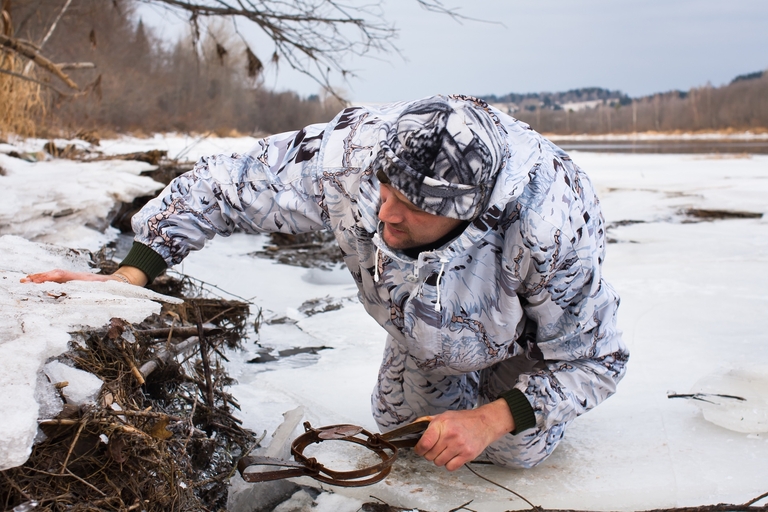
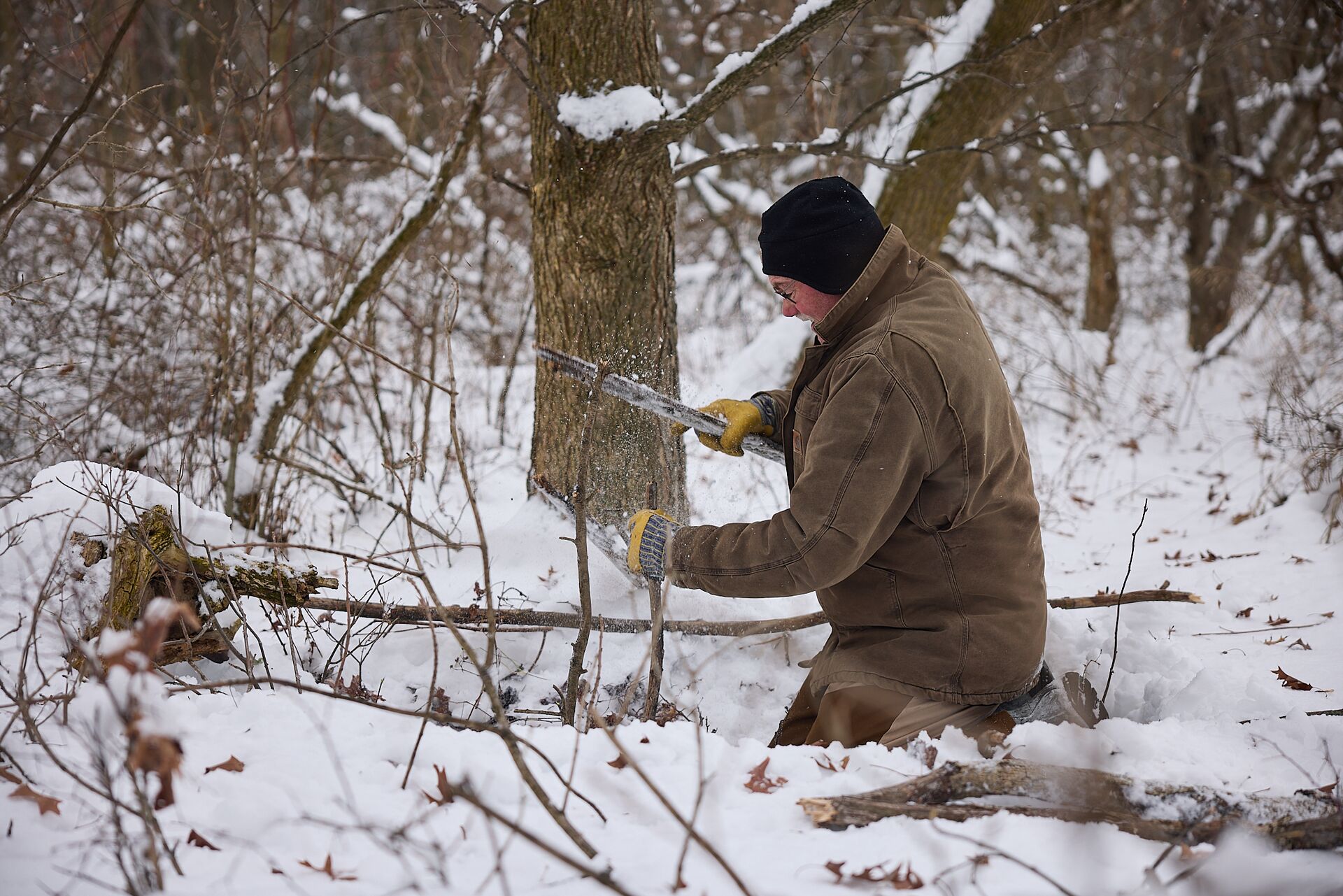
Successful coyote trapping methods always begin with proper preparation and equipment. Most trappers in my area rely on #2 or #3 coil-spring foothold traps with wide pans. I've had success with a two-coil Bridger #3, which is fast-firing and strong enough to hold.
To prepare a trap, you may need to boil it to remove oils or dye it to reduce glare. You'll also need to practice to ensure precision.
If your trap moves, it won't catch anything. If it's visible, it won't be effective. Use an earth anchor to keep your trap steady, and add chain swivels to reduce torque and the risk of injury.
Once your trap is prepped and bedded, consider placement and bait. A properly placed trap, along with good bait and a weather-appropriate setup, can draw in the most educated coyotes. Don't forget about scent control, and remember the importance of gloves, wax paper, and careful handling.
What Are the Best Coyote Trapping Sets?
The dirt-hole set is the most versatile and widely used of all coyote trapping sets. Here's what you need for an effective dirt hole set for coyotes.
Dirt Hole Set for Coyotes
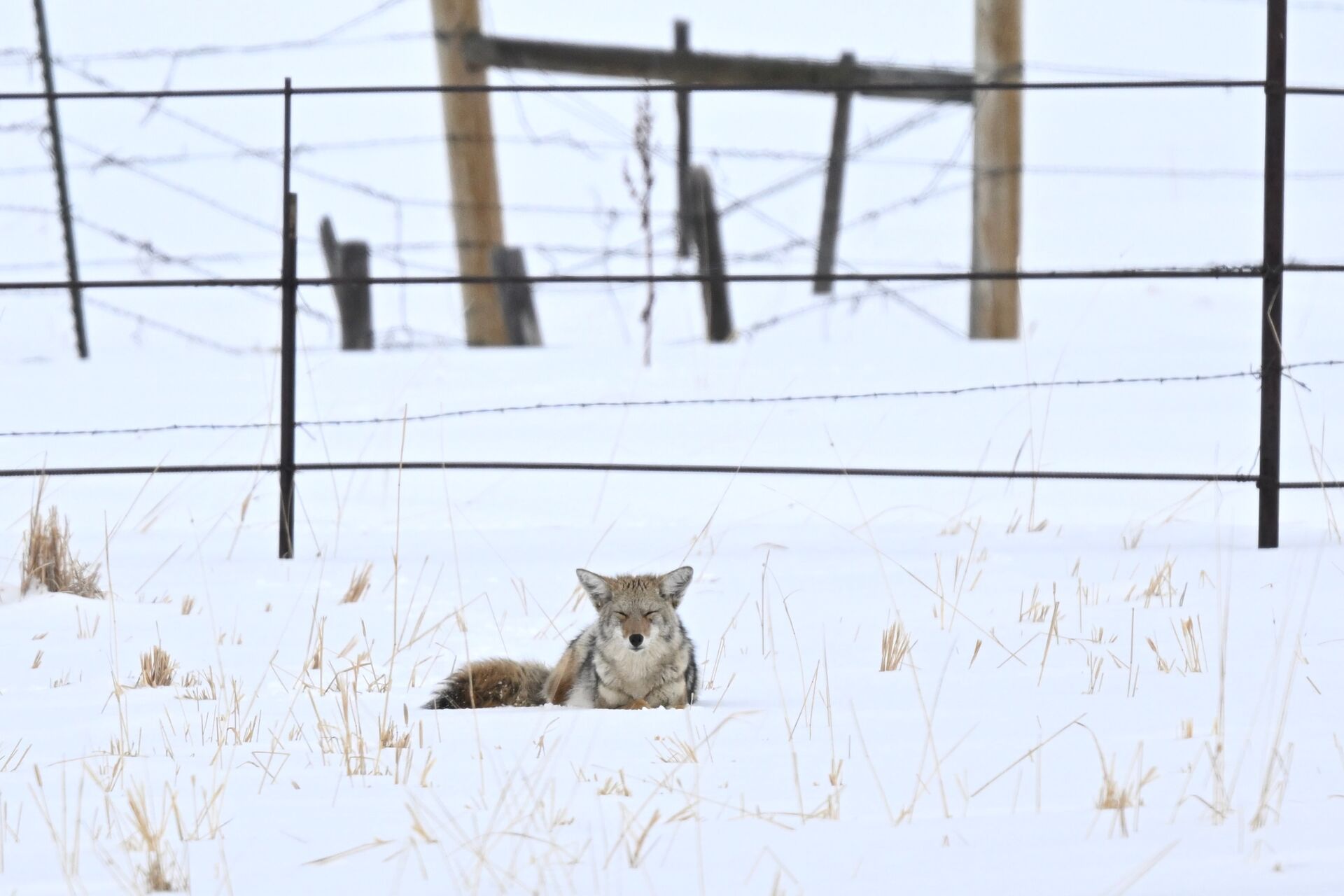
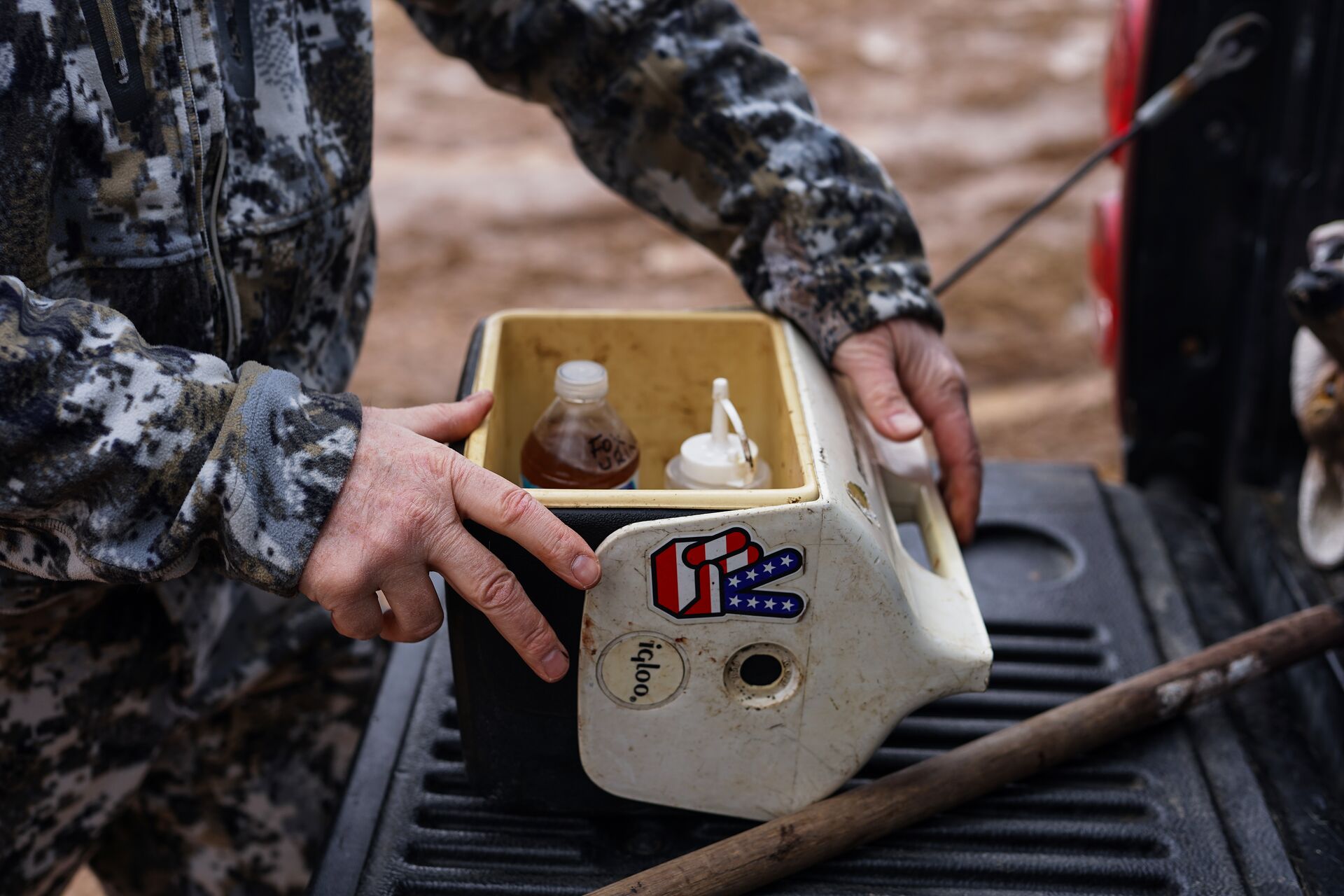
Here in Florida, I accompany a friend with a fur-trapping license to use a Bridger #3 trap in a dirt hole set for coyotes. We bait it with a mouse and add Caven's Canine Force in the hole. My friend also uses two drops of red fox urine behind the set with no wax, just solid bedding.
On our most recent outing, this dirt-hole setup helped us catch a coyote by the following morning.
Other Effective Sets
Flat sets use minimal digging and a subtle scent, making them perfect for shy coyotes in heavily trapped areas. Instead of a hole, use a rock, cow patty, or similar object to attract coyotes, and apply the lure nearby. Flat sets are ideal for wind-exposed areas out west, where visual appeal matters less than scent.
Scent-post sets capitalize on coyotes' natural urge to mark vertical objects—a behavior noticeable along fence posts, stumps, or boulders. Bed your trap close and apply a strong gland lure or urine to the object itself.
Trash mounds and walkthrough sets rely on visual distractions and force coyotes to step between two obstacles, making them effective in brushy or debris-heavy terrain. For areas with clear animal trails or fence crawl-unders, blind snow sets without bait or lure can pay off; bed the trap where foot traffic is guaranteed.
What Is the Best Setup for Coyote Hunting?
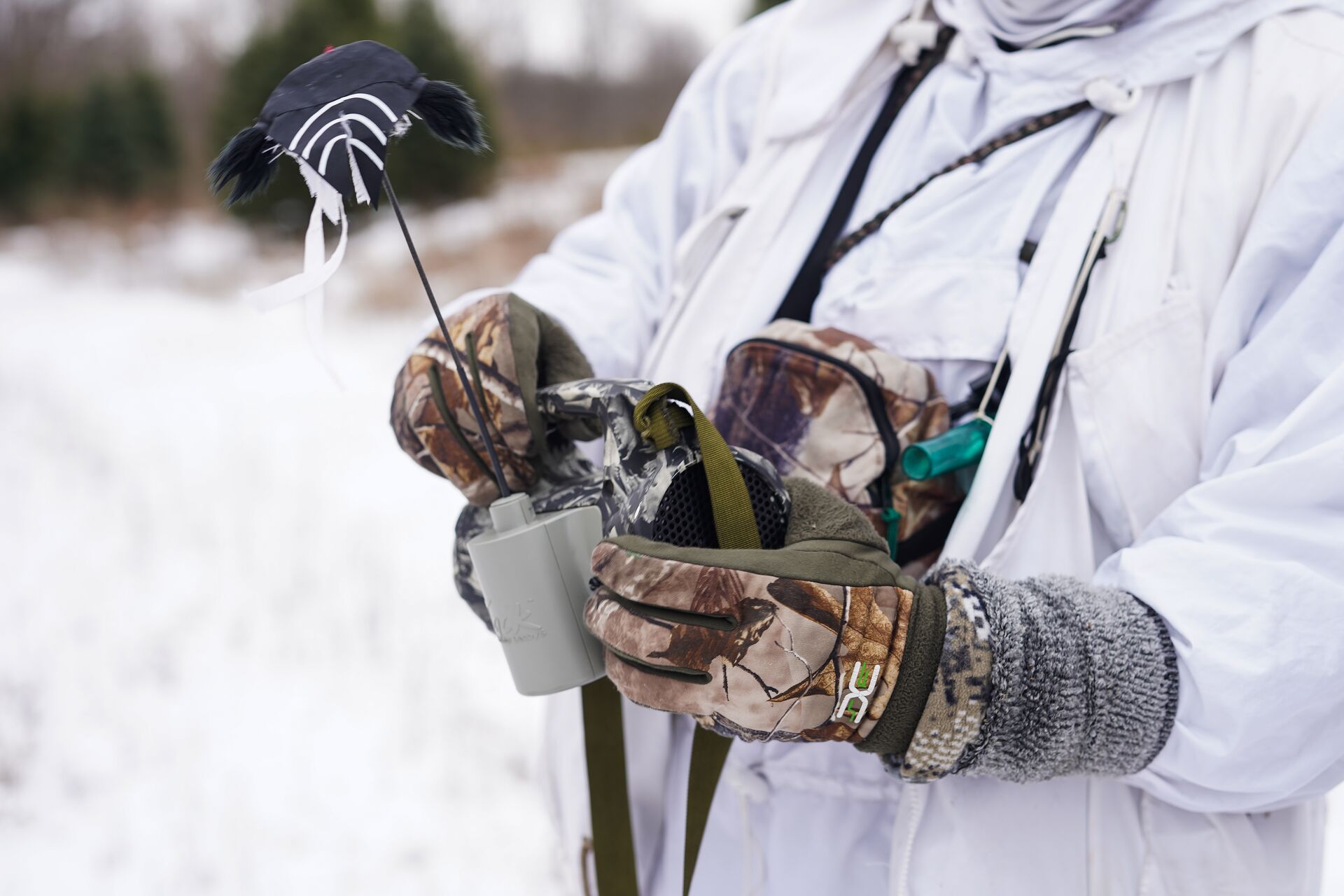
When hunting coyotes rather than trapping, shift your strategy to focus on calling. Electronic calls that mimic prey-distress sounds or coyote vocalizations work well.
Set up with a crosswind, stay concealed, and expect a downwind approach. Decoys can add realism in open country, and hunting from elevated terrain helps with visibility.
Unlike trapping, calling requires fast shooting, scent control, and knowledge of when to stay still and silent. Knowing when and where to call separates success from wasted time.

Key Components of a Good Coyote Trapping Kit
A solid trapping kit doesn't need to be heavy or extensive. However, it should be complete enough to cover contingencies.
Traps and Anchoring
Start with a half-dozen Bridger #2, #3, or MB550 traps and high-quality anchors such as Wolf Fangs or chain stakes. I consider Bridger #3 traps to be the best traps for coyotes, though if you want to buy multi-use traps, they're also great for bobcats.
Preparation and Tools
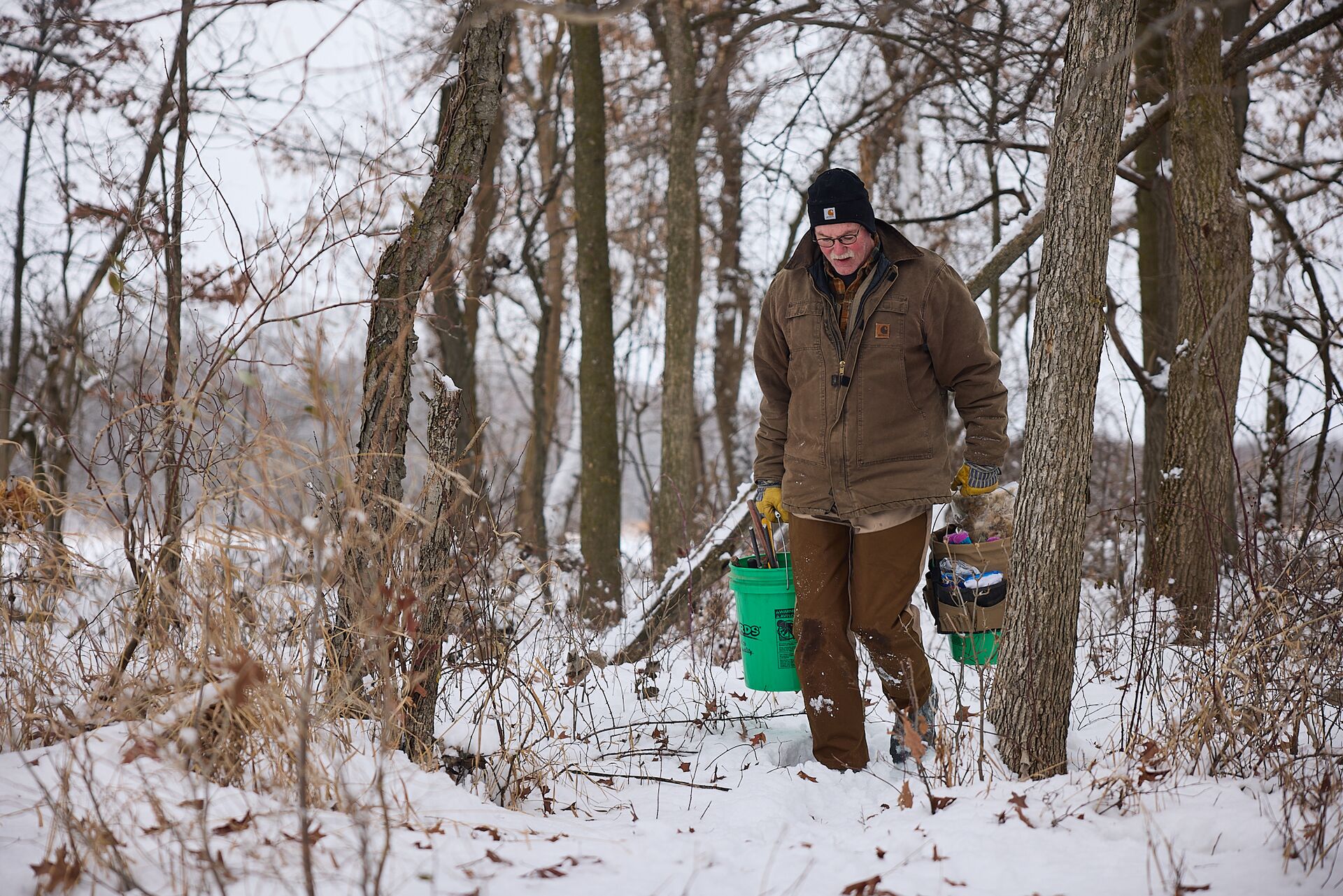
A good hammer, trowel, sifter, and kneeling pad make life easier and your setups more precise. Work on your bedding and sifting. Practice dirt waxing even if you live in a mild climate.
Additional Essentials
Your scent strategy is your key to success. Be sure to keep clean gloves for trap handling, store your lures separately, and avoid any contact with human-scented surfaces.
Use meat-based baits during colder weather and gland or curiosity lures when coyotes are more territorial. Remember to label your traps if required by your state's regulations.
What Smells Attract Coyotes?
Coyotes respond to three main scent triggers: hunger, territory, and curiosity.
Meat-based baits (especially those that are slightly tainted) work best in cold weather when coyotes are hungry. Gland lures and urine tap into social and territorial behavior and are effective in flat and scent-post sets.
In my Florida dirt-hole set, our mouse bait was the primary attractant, but the Canine Force and two drops of red fox urine sealed the deal. Sometimes, a minor detail, such as a scent coyotes expect at a real feeding site, is what convinces them to commit.
Where Is the Best Place to Set a Coyote Trap?
The best coyote sets are where coyotes already travel.
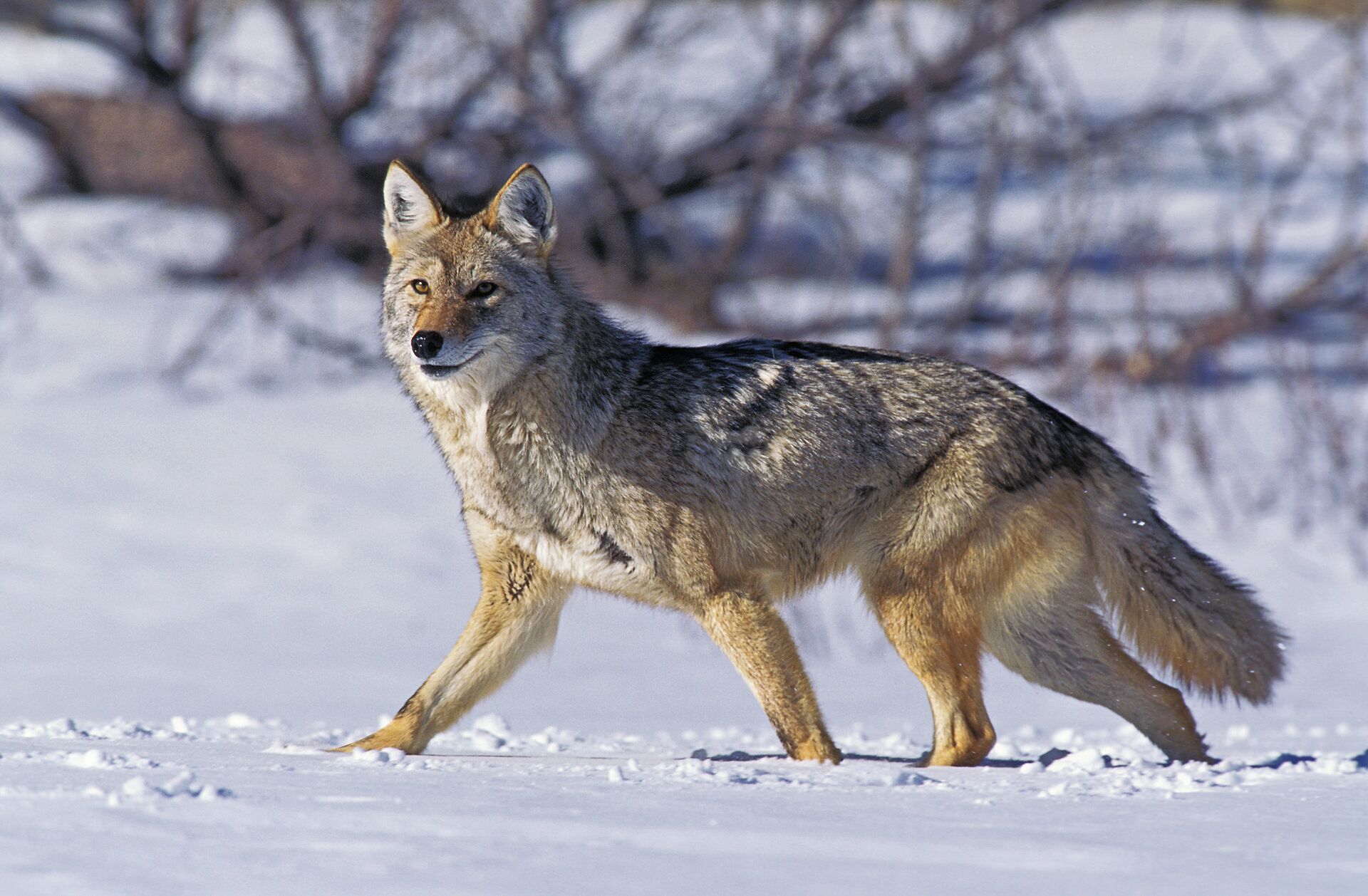
Coyote howls are distinctive, so listen for them at night and look for recent kills. Look for tracks, scat, and trails along fence lines, near water sources, or in brushy fields. Crossroads, game trails, and the edges between cover and open space are especially productive.
Be willing to move if you're not seeing sign. Think of it like turkey hunting. Coyotes have natural behaviors and habits, and consider location before you put down your lure or bait.
Get Your Hunter Safety Certification Before Using Coyote Trapping Sets
Mastering coyote trapping sets takes time, patience, and a willingness to learn from every blank pan. Start with a reliable, adaptable, and incredibly effective dirt hole set for coyotes, and focus on clean beds, scent discipline, and active spots. As you gain confidence, add flat and scent-post sets to your toolkit.
Most importantly, never stop learning. Each trapline run is an opportunity to study coyote behavior, test your skill, and grow as a hunter.
For those just starting as a hunter or trapper, a Hunter-Ed hunter safety course lays the foundation for safe, ethical hunting and trapping. Most states also require hunters to have a hunter safety certification, and we're here to help!
Hunt safely and legally this season!

Frequently Asked Questions (FAQs)
We have answers to your questions about coyote trapping sets!
Q: What is the best method for trapping coyotes?
A: The best method for trapping coyotes is typically the use of foothold traps (often #2 or #3 coil spring) set on a well-blended dirt-hole or flat set. Proper trap bedding, scent control, and natural-looking set construction matter more than the exact lure.
Q: What is the best setup for coyote hunting?
A: Calling from a concealed, downwind position with good visibility works as the best setup for coyote hunting. Use distress calls or coyote vocalizations, keep movement minimal, and set up so approaching coyotes must expose themselves before they can catch your scent.
Q: What smells attract coyotes?
A: The smells that attract coyotes are food-based lures (gland lures, bait made from aged meat, fish oil), curiosity scents, and territorial gland smells. Coyotes are drawn to anything that suggests an easy meal or an intruding coyote.
Q: Where is the best place to set a coyote trap?
A: The best place to set a coyote trap is along travel routes: field edges, two-track roads, fence lines, creek crossings, and trail intersections. Look for tracks, scat, and natural pinch points where coyotes already move.