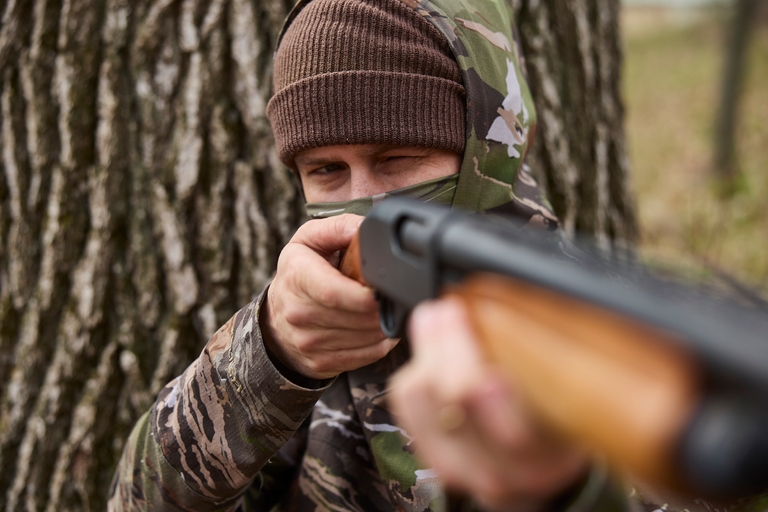
How Does a Cellular Trail Camera Work?
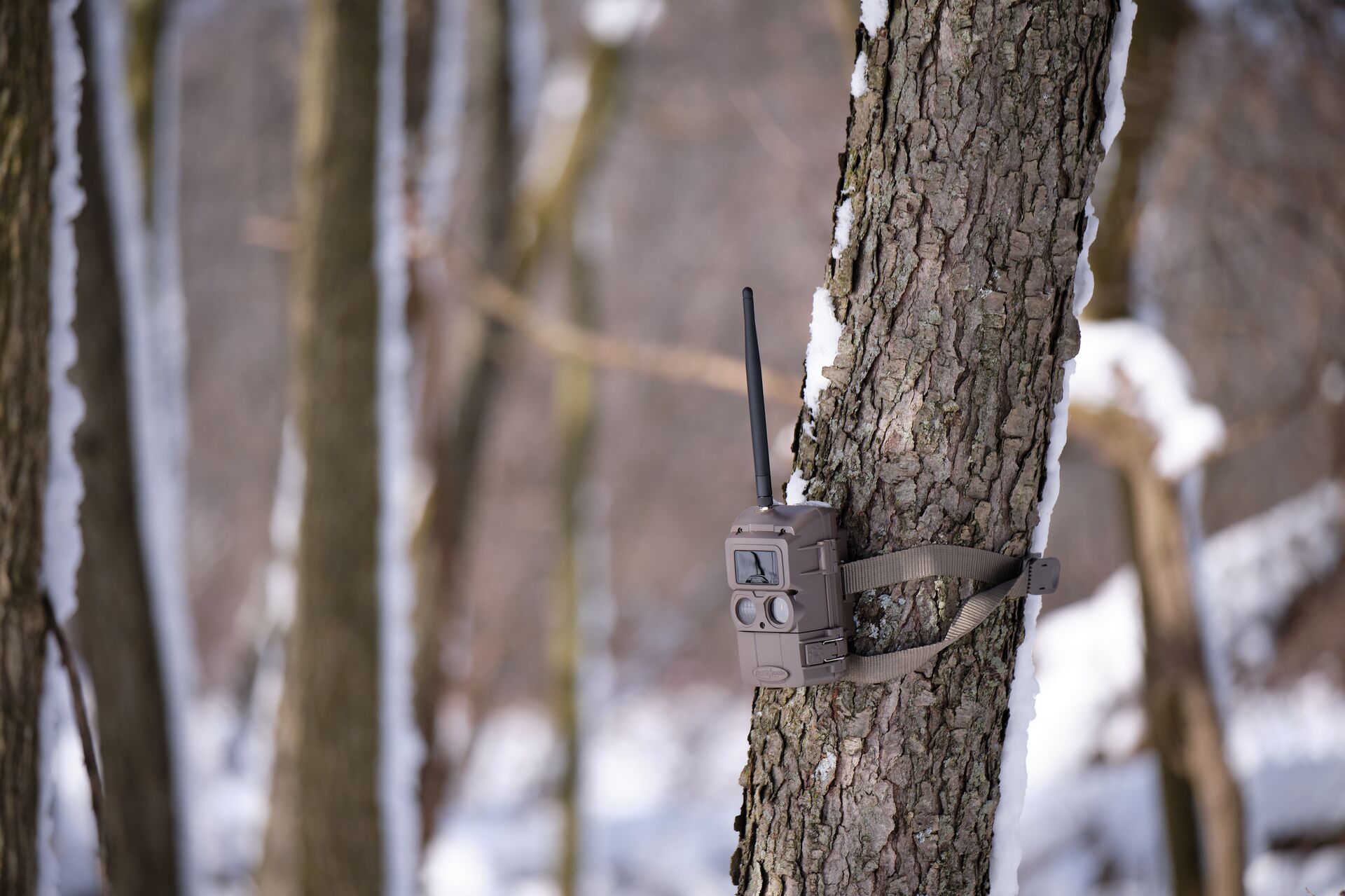
A cellular trail camera works in three steps:
- It detects motion using a passive infrared (PIR) sensor that senses body-heat changes in its field of view
- It captures a photo or short video, then transmits that media instantly over a cellular network via a built-in SIM card, the same way a cell phone connects to a data provider.
- The image or video then arrives in near real time to a paired email address, cloud account, or mobile app, so hunters never have to hike back out to retrieve the SD card physically.
This differs from a traditional trail camera, which only stores images locally on a memory card until it's manually swapped or downloaded. Because cellular cameras eliminate multiple trips to the camera site, they reduce human scent and disturbance, letting hunters scout trails, food sources, and scrapes with far less risk of spooking the animals they're trying to pattern before the season opens.
Today we look at everything you need to know about the functionality of a cellular trail camera, helping you prepare for your next hunt and find the ultimate hunting location.
Updated September 25, 2026
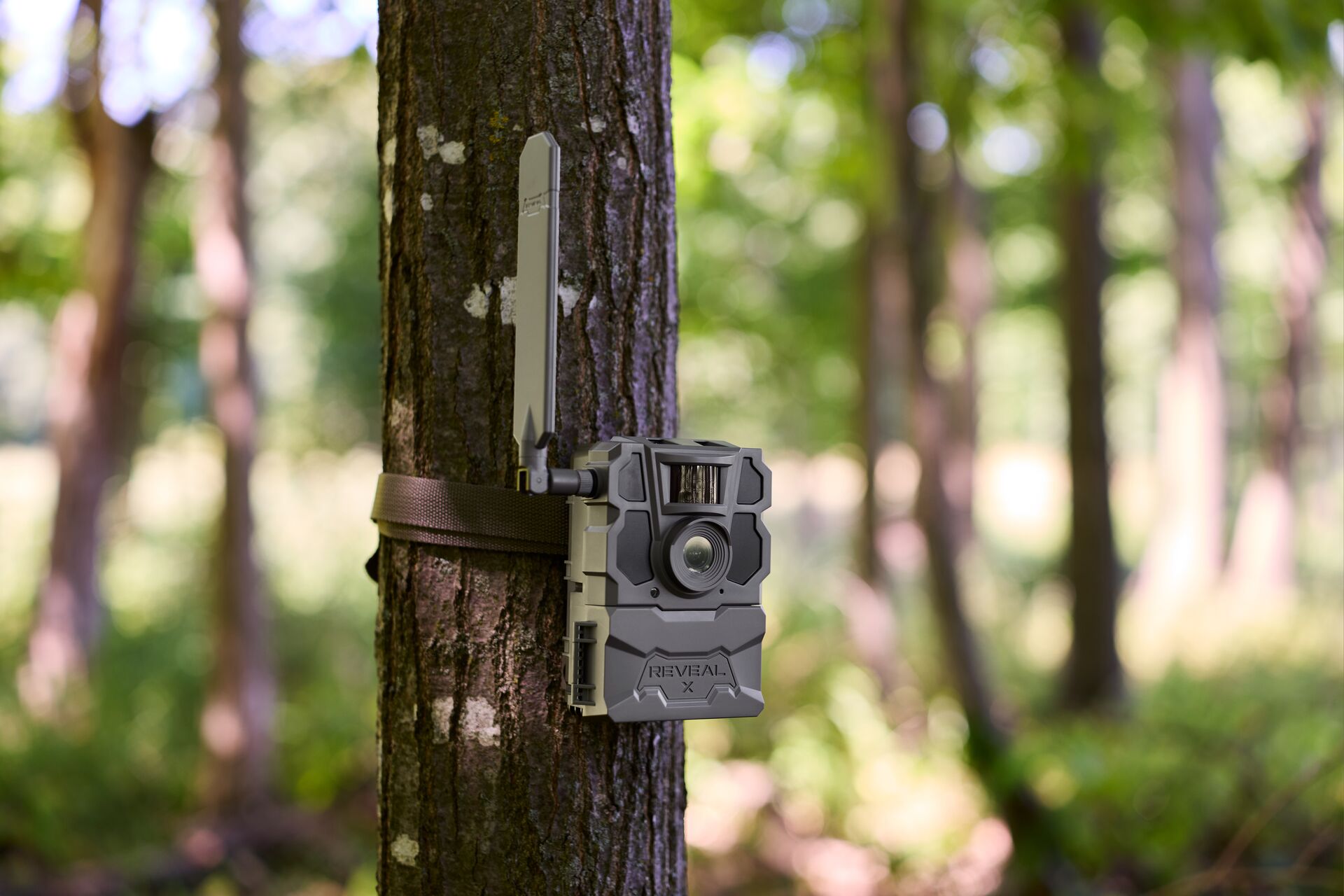
How Do Trail Cameras Work? Quick Overview
Trail cameras are battery-run and capture images using infrared LED technology. Many modern trail cameras use Passive Infrared Sensors (PIR), which trigger the shutter and allow the camera to take photographs or short videos when the temperature changes.
The heat-detection motion season triggers the camera to capture any movement, and the infrared will glow, capturing images at night (in black and white).
Images are then stored on a memory card until capacity is reached or the trail cam's battery runs out.
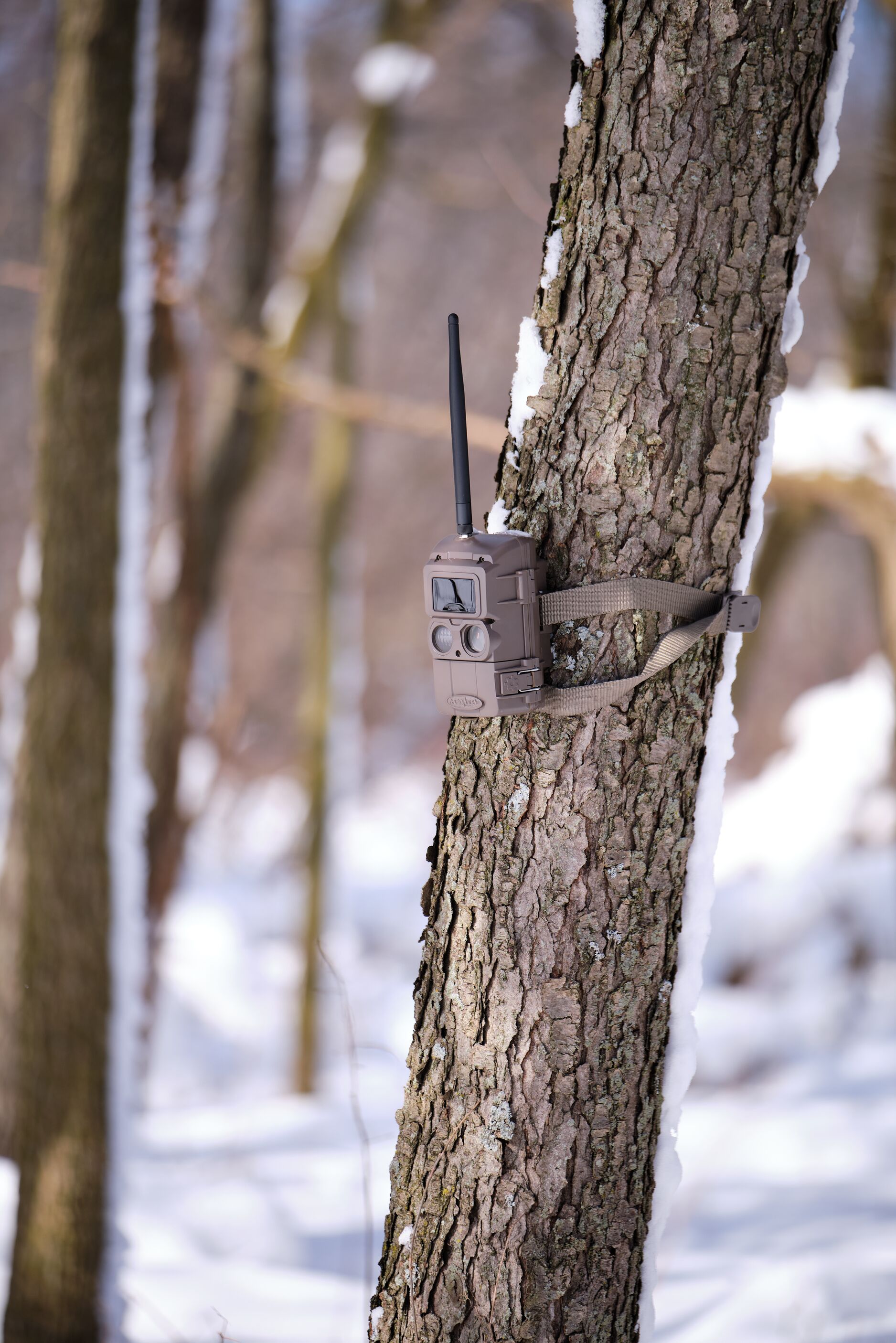
What Are the Primary Features of a Trail Camera?
Trail cameras have several crucial components that make it possible for you to capture images of those big bucks or turkeys.
These features include:
- Motion sensors: The PIR is incredibly sensitive to changes in temperature, especially movement. It triggers when a living creature passes in front of it.
- Infrared night vision: Once activated, the inbuilt system will determine whether it is day or night through the camera or the lux meter. If at night, this will trigger the night illumination system using infrared.
- Weather resistance: Trail cameras are built to be durable and designed to withstand rain and snow through sealed compartments, tight latching, and the use of high-quality plastics or metals.
- Memory storage: The imagery storage will depend on storage capacity, card size, and your ability to change the card.
A quality trail cam helps you monitor animal movement and behavior during the off-season to plan a better hunt when the season opens.
What Makes a Cellular Trail Camera Different than a Traditional Cam?
A cellular trail camera has built-in cellular technology, meaning you can receive videos and images directly from your phone or electronic device. This eliminates the need to physically retrieve or replace the SD card and further reduces the human impact on the natural environment.
Some models allow you to change the setting remotely via your phone.
Wireless cameras are considered the more expensive option, as you must pay for a cellular network plan, which can increase in price depending on the number and quality of your cameras. However, they can be worth the expense when you get real-time alerts about animal movement and eliminate the need to make multiple trips to your cameras to retrieve SD cards.
Traditional vs. Cellular Trail Cameras | ||
| Feature | Traditional Trail Cam | Cellular Trail Cam |
| Image retrieval | Manual SD card swap | Sent automatically over cell network |
| Real-time alerts | No | Yes |
| Human disturbance at site | Higher (repeat visits) | Lower (remote viewing) |
| Ongoing cost | None after purchase | Requires cellular data plan |
The right choice depends on how you hunt. If you don't mind periodic site visits and want to avoid a monthly data cost, a traditional camera still gets the job done. If real-time updates and fewer trips into the field matter more to you, a cellular camera is worth the added cost.
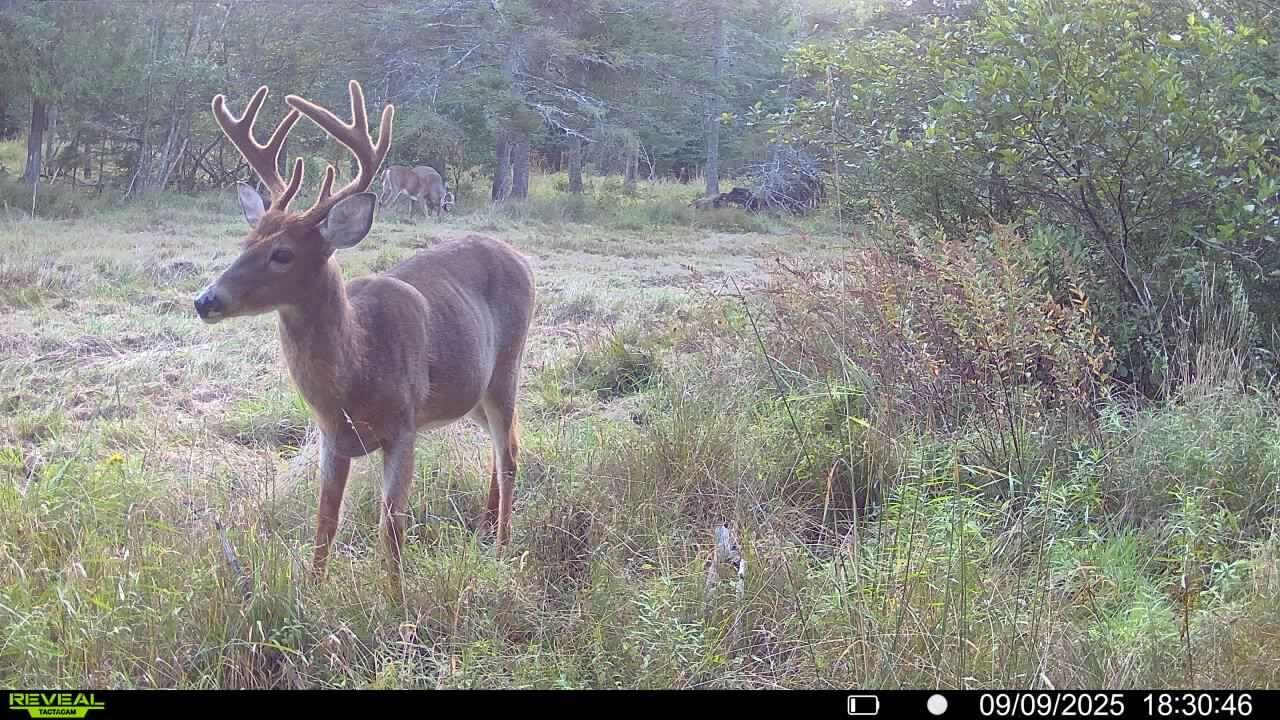
How Does Cellular Trail Cameras Work? 3 Steps
The cellular trail camera uses a three-step process to deliver the images to your chosen device.
- Detection: As described above, sensors detect movement in the camera's field of view based on temperature changes. The camera captures an image or video of the detected movement.
- Transmission: The captured media is sent via the cellular network. This is facilitated by a SIM card similar to a cell phone that connects to a data provider requiring a cellular signal to transmit the data.
- Receiving the data: This feature provides the thrill of real-time access to images or videos sent to a specified email, cloud storage, or mobile app.
Hunters and wildlife enthusiasts can stay engaged and connected, receiving real-time updates and remotely monitoring activity in the area.
The Benefits of Cellular Trail Cameras
While a more expensive option, many hunters will opt for a cellular trail camera for the various benefits it offers, including:
Real-Time Monitoring
Immediate updates and alerts allow you to track animal patterns and behavior promptly. This will enable you to create a more accurate hunting plan, especially if the updates are close to your chosen hunting date.
Some government departments have even established a range of trail cameras for hunters and wildlife enthusiasts to explore the natural environment.
Reduced Disturbance
Images and video can be viewed from the comfort of your home, meaning there's far less chance of disrupting the woods by leaving your scent all over and spooking wildlife. Animals feel more confident continuing their routines with fewer human disruptions.
Convenience
Images can be accessed from anywhere, meaning you spend less time retrieving the SD card. Instead, you can spend more time planning your next big hunt with up-to-date insights.
Security
Cellular trail cameras can also serve as security devices showcasing incidences of trespassing or unauthorized activity (mainly if occurring on private land). Protect your food plots or feeders with a wireless cam keeping watch.
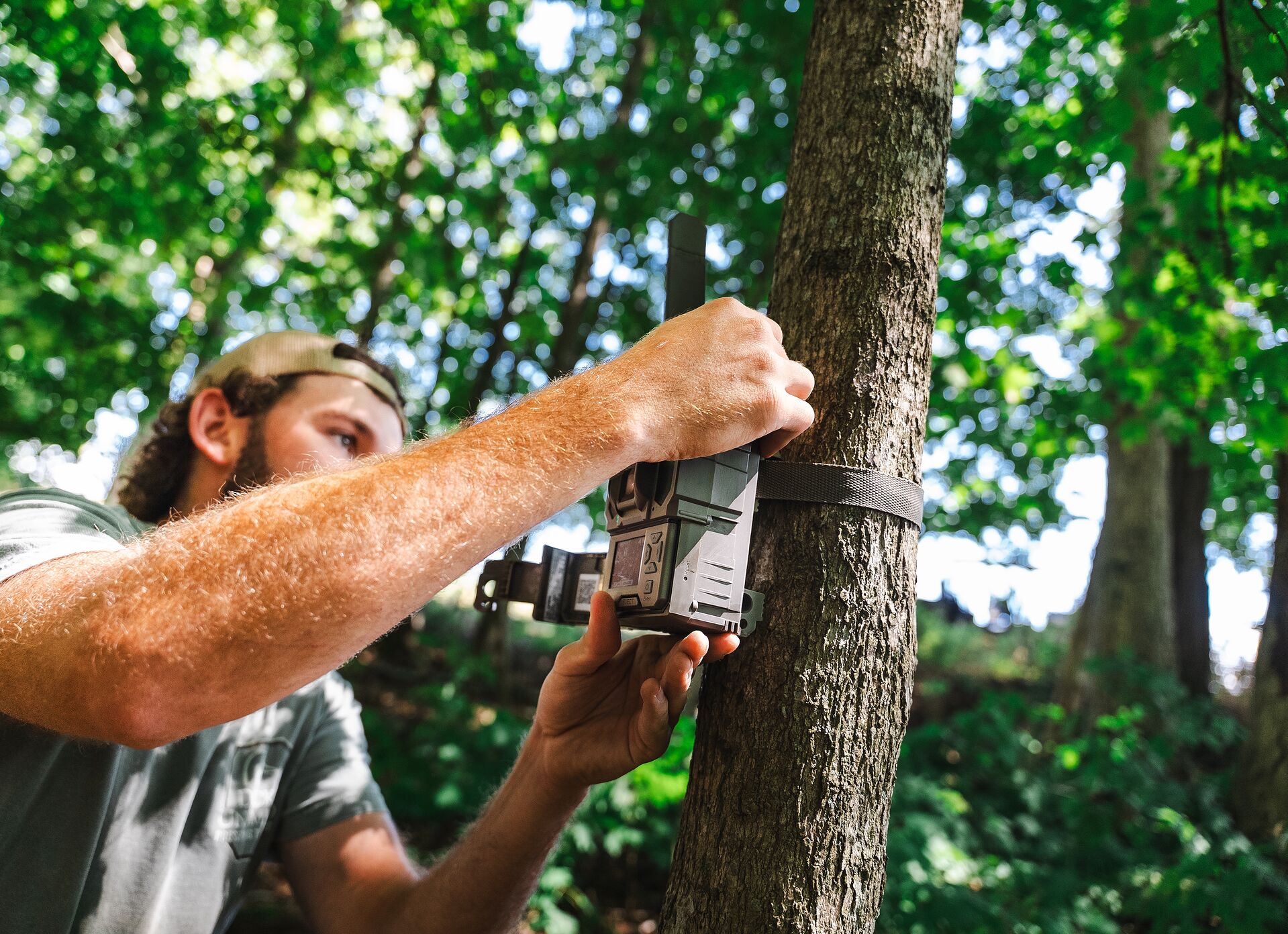
How to Set Up a Cellular Trail Camera
Setting up a cellular trail camera correctly makes the difference between catching consistent footage and coming home to a blank memory card. A few extra minutes of planning before you head into the woods pays off once your camera starts sending real-time updates to your phone.
Follow these steps to get your camera up and running.
- Pick a strong location. Look for spots near food sources, natural passageways, water sources, scrapes, or other signs of animal activity. These are the areas where deer and other game are most likely to pass by regularly.
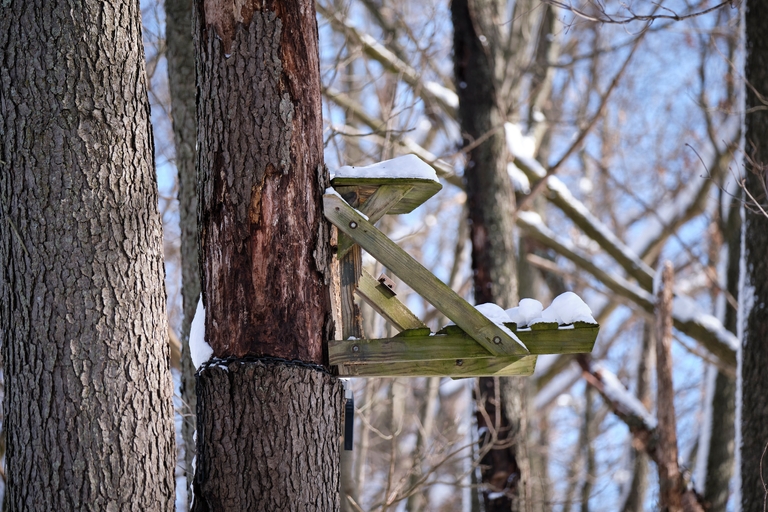
- Test your tree stand view. Mount the camera where you're considering placing a tree stand. This lets you confirm animal traffic in that spot before you invest time building out a full setup there.
- Angle it away from glare. Point the camera away from direct sunlight so glare doesn't wash out your images. Adjust the height and aim so it's centered on the trail or feeder you want to monitor.
- Match the settings to your target species. Set the sensitivity and trigger speed based on the game you're tracking. Smaller or faster-moving animals often need quicker trigger speeds, so plan to experiment and adjust once you see the results.
- Activate your cellular connection. Insert a SIM card and set up a data plan through the camera manufacturer or a carrier partner. Without an active plan, the camera can capture images but won't be able to send them to your device.
- Confirm the signal before you leave. Test the connection on-site to make sure photos and videos transmit successfully. Checking this before you walk away saves you a return trip if the signal turns out to be weak.
- Connect your alerts. Pair the camera feed to your phone, email, or a cloud app so you receive real-time notifications. This is what turns a standard trail camera into a cellular one: you get the update the moment the camera triggers.
Once your camera is mounted, angled, and connected, the setup work is done. Check your signal periodically throughout the season, especially after storms or heavy snow, since foliage and weather can affect connectivity even after a solid initial test.
Choose the Right Locations
While trail cam placement will differ somewhat based on your intended target species, you'll have the highest chance of success placing your camera or cameras near the following spots:
- Food sources. Fields, food plots, and mast-producing trees like oaks draw game in on a predictable schedule, especially during early morning and evening feeding times.
- Natural passageways. Funnels such as fence gaps, ridgelines, and saddles between two points force animals into a narrow path, giving your camera a reliable choke point to monitor.
- Water sources. Ponds, creeks, and other water sources see steady traffic, particularly in warmer months or during dry stretches when water is scarce.
- Scrapes. Scrapes and rub lines signal an active travel route, and placing a camera nearby can help you track which animals are using the area and when.
If you have a spot planned for your tree stand, set up a camera with a view from that location to determine whether it is a solid location.
Choose the Best Settings
Something that's not often thought about but is essential is the angling of the camera to ensure it's away from the shine. After placement, adjust the sensitivity, trigger speed, and other settings to suit your needs (this may take some experimentation).
Before heading back home, test the cameras to check connectivity, ensure they function correctly, and capture the areas you want to monitor.
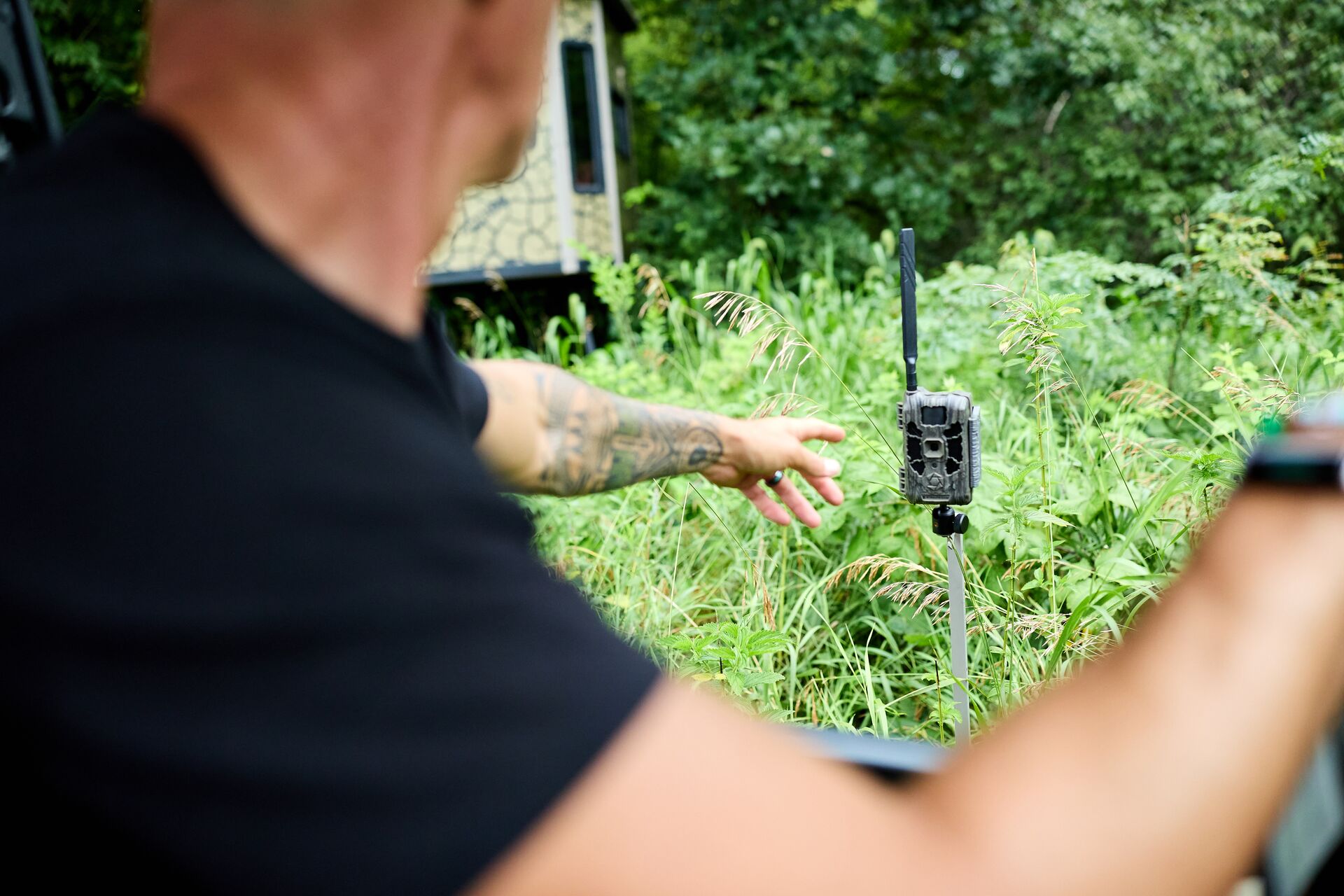
Put Safety First When Using Trail Cameras and Hunting
Receiving those first images of a big game straight from your cellular trail camera is an excitement like no other. While you might be anxious to get your cameras out of the box and set up quickly, make sure you prioritize safety when walking the woods or land and placing cameras — especially if you put a camera high above the ground.
Then, when it's time to hunt that big buck you saw on your camera, make sure you prioritize safety for your day in the field. By taking an approved hunter-education course, you'll have the knowledge and skills to navigate the terrain and other hunters in the area, setting the foundations for a safe and ethical hunting outlook that will serve you for the rest of your hunting life.
Hunter-Ed makes it easy to prepare for your next hunt. Our online courses cover everything you need to know to stay as safe as possible out in the field. So, as you view the images from your cellular trail camera and get excited about your next hunt, make sure you've passed a hunter safety course!
Choose the course for your state and start learning.

Content most recently reviewed and updated September 24, 2026.
Frequently Asked Questions (FAQs)
Q: How does a cellular trail camera work and send photos to your phone?
A: The camera captures an image when its sensor detects motion, then transmits that image over a cellular network using a SIM card, similar to how a cell phone sends data. The image travels to a data provider and lands in whatever destination you've set up, such as an app, email, or cloud storage. You don't need to physically retrieve the memory card.
Q: What triggers a trail camera to take a picture?
A: Most trail cameras use a passive infrared sensor that detects changes in heat within its field of view. When a warm-blooded animal or person moves through that range, the temperature change triggers the shutter. The camera then records a photo or short video of the movement.
Q: What's the difference between a cellular and a traditional trail camera?
A: A traditional trail camera stores images on a memory card that you have to retrieve manually. A cellular trail camera sends those same images over a cellular network directly to your phone or another device, so you don't need to visit the camera to see what it captured. Cellular models require an active data plan, while traditional models don't have any ongoing cost after purchase.
Q: Do cellular trail cameras need a monthly data plan?
A: Yes. Cellular trail cameras rely on a SIM card and a cellular data plan to transmit images and videos, and most manufacturers or carrier partners offer plans built for this purpose. Without an active plan, the camera can still capture images, but it won't be able to send them to your phone or app.
Q: Can you use a cellular trail camera without cell service in the area?
A: No. A cellular trail camera needs a cell signal strong enough to transmit data, so areas with weak or no coverage won't support real-time image delivery. In these cases, the camera may still capture and store images locally, but you'd need to retrieve the memory card manually to view them.
Q: How long do the batteries last in a cellular trail camera?
A: Battery life varies by model, but transmitting images over a cellular network uses more power than a traditional trail camera, so cellular models tend to drain batteries faster. Most hunters get anywhere from a few weeks to a few months per set of batteries, depending on how much activity the camera captures. Checking battery levels remotely through the connected app can help you plan replacement trips.
Q: Is it legal to use a cellular trail camera while hunting?
A: Rules vary by state, and some states restrict or ban the use of cellular trail cameras during hunting season, particularly for tracking game in real time. Check your state wildlife agency's current regulations before using one in the field. Using a cellular camera where it's restricted can result in a citation, even if the camera was legal to purchase.