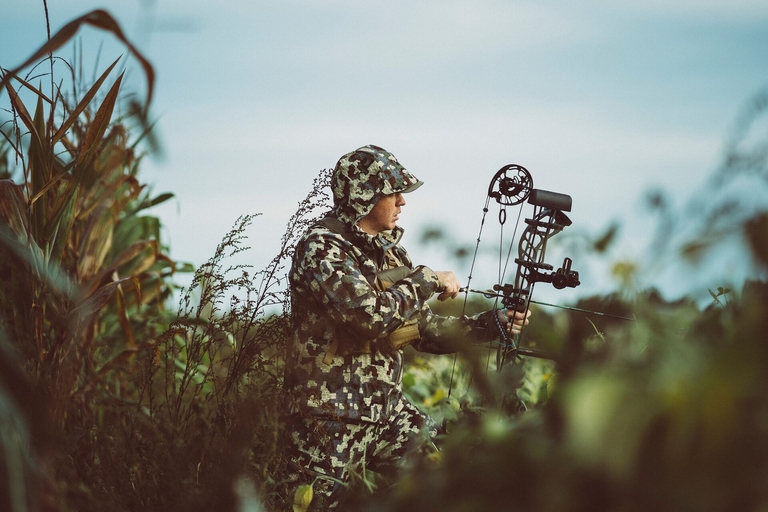
How to Hunt the NC Duck Season 2025
Hunters across the eastern seaboard look forward to the legendary NC duck season. The combination of migrating waterfowl, varied habitats, and a huge community makes it a uniquely fun hunt.
Knowing the zones, dates, regulations, and license requirements will help you prepare for the 2025 waterfowl season. Spread some decoys and settle in while we cover everything you need to know to make the most of your time on the water.
Here's what you need to know for a successful duck season in North Carolina this year!
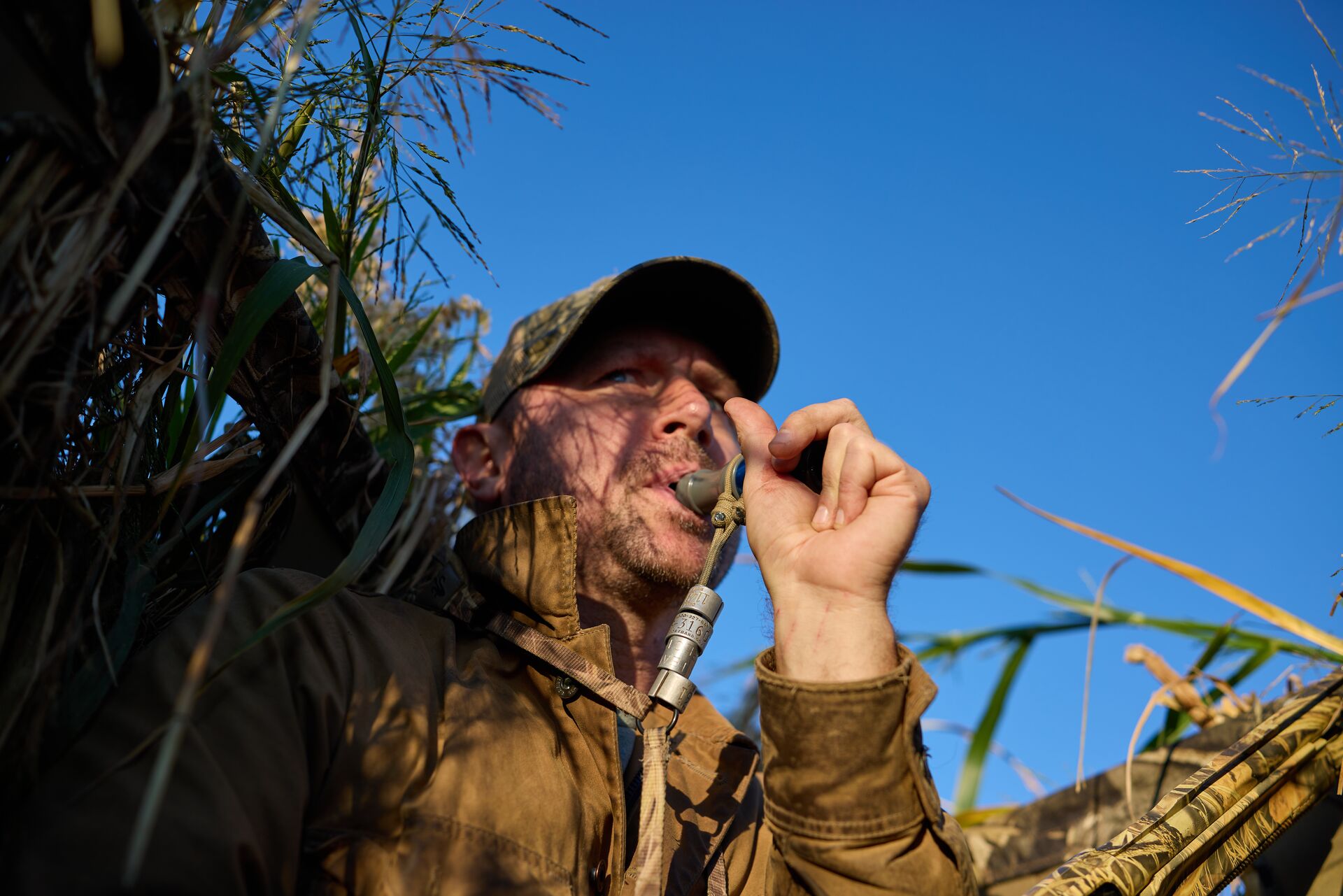
Why Hunters Love the NC Duck Season
North Carolina is a special place for waterfowlers, and many make it a destination hunt during the migrations.
Prime Location and Habitat Variety
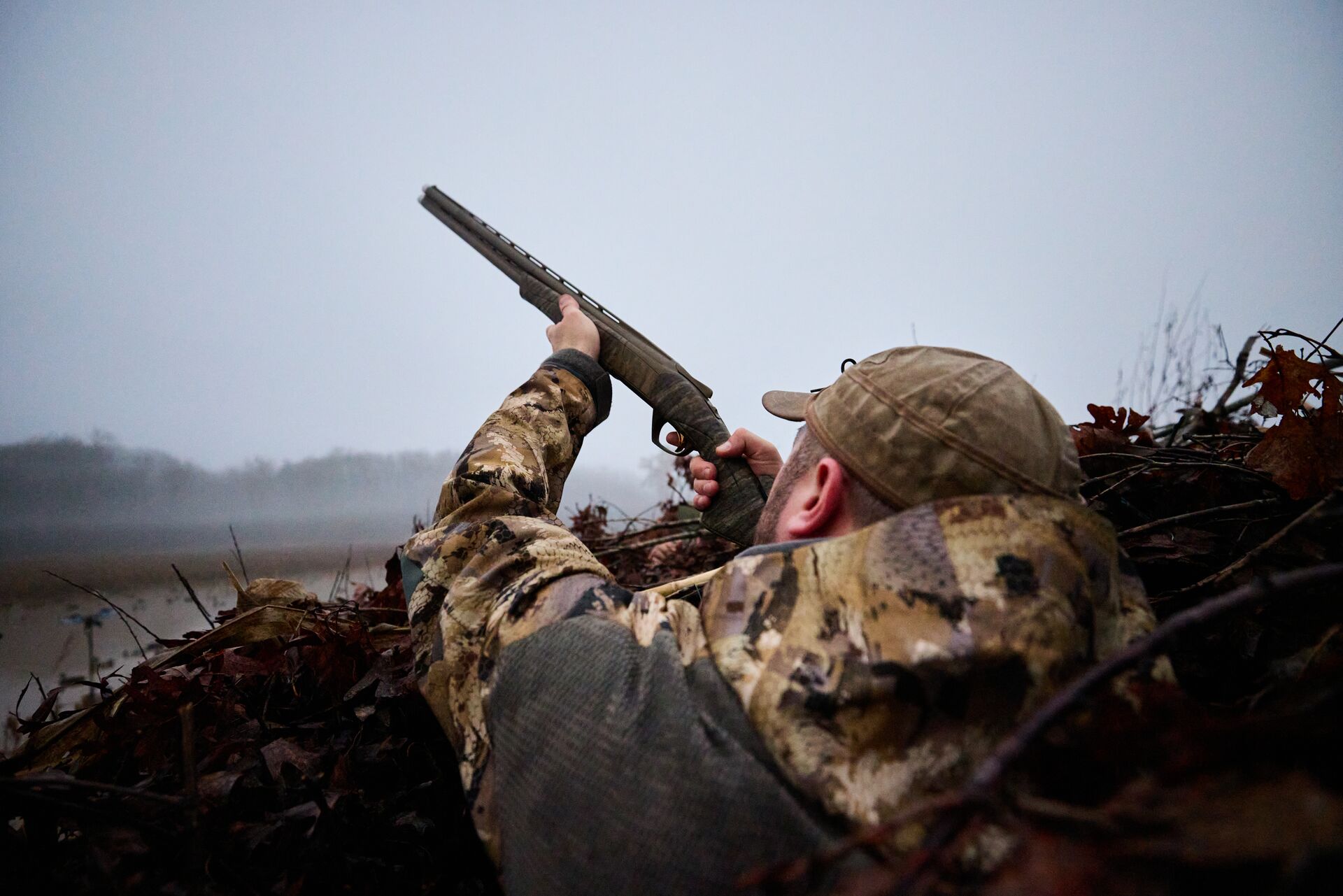
North Carolina sits along the Atlantic Flyway, a primary migration route for ducks traveling south in the fall. This natural funnel brings impressive numbers of birds into the state's wetlands, lakes, and estuaries.
Species Diversity
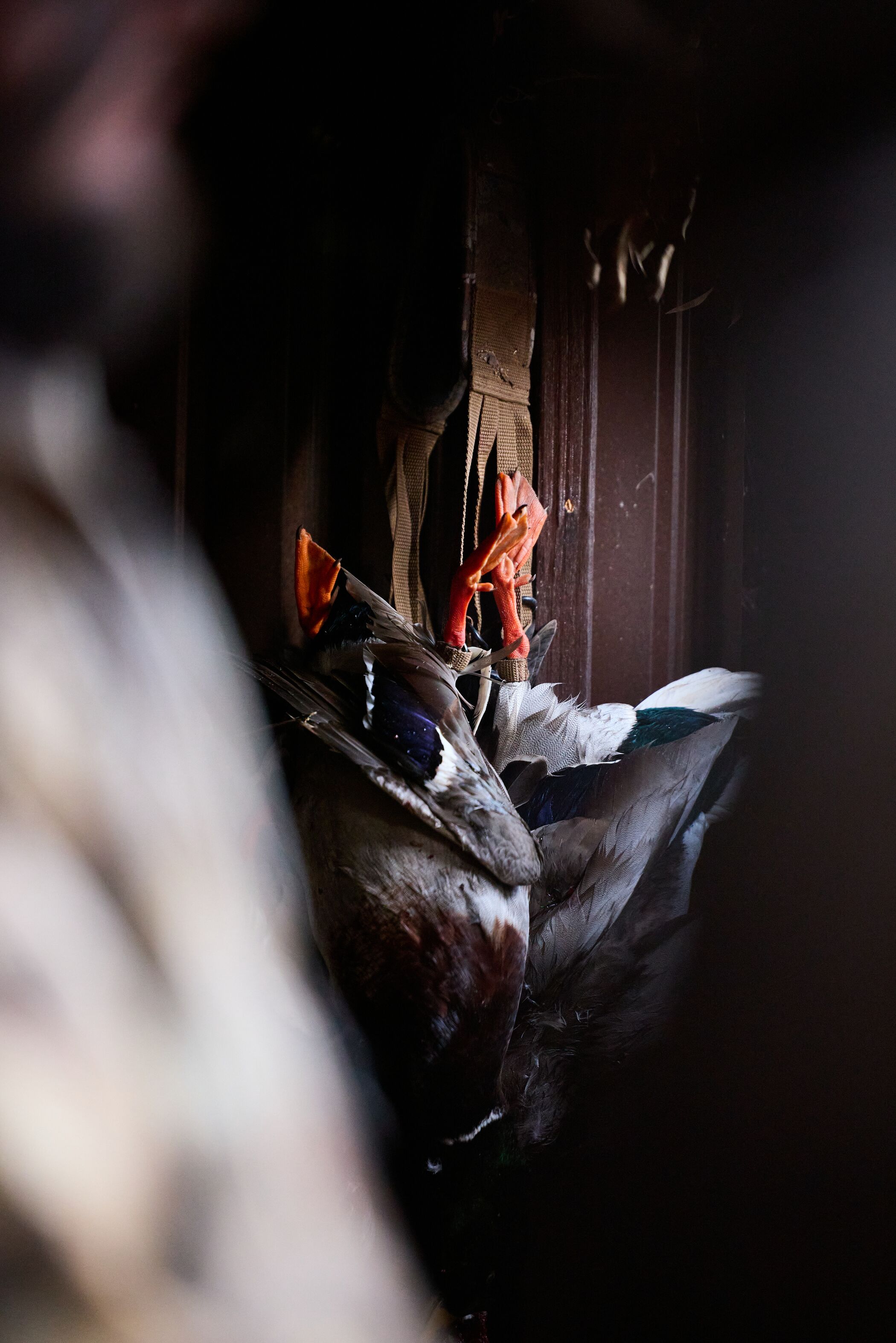
Each season brings a new mix of waterfowl through North Carolina. Early flights of teal and wood ducks give way to later waves of pintails, gadwalls, wigeons, and other migrating ducks like mallards.
This steady turnover keeps hunts interesting and provides new challenges throughout the fall and winter.
Public vs. Private Land Options
Hunters have plenty of land access options.
Public game lands and coastal impoundments offer affordable opportunities for do-it-yourself hunters. Additionally, private hunting leases and guided hunts give those seeking more controlled access a different way to get their waders wet.
Conservation and Tradition
Duck hunting in North Carolina drives ecological balance. Through permits, stamps, and licenses, hunters fund extensive wetland conservation efforts. In many eastern NC communities, duck season is a cultural touchstone deeply woven into local heritage, and families have passed down skills and stories from one generation to the next.
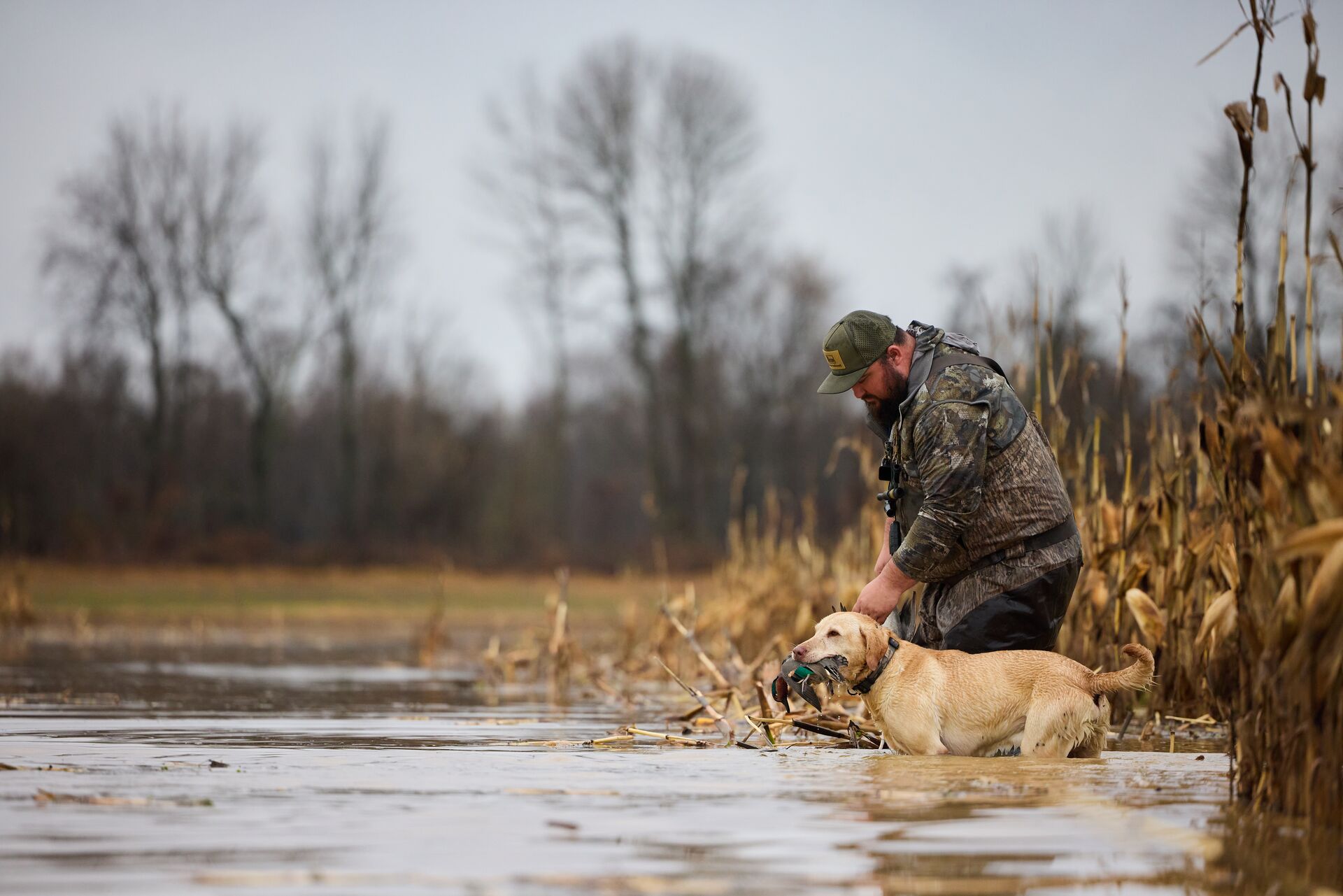
When Is the NC Waterfowl Season in 2025?
The NC waterfowl season structure is more complex than in other states. North Carolina divides its duck season into segments to match the timing of migration, providing hunters with multiple opportunities to be in the field.
For 2025, the state has outlined different dates for the inland and coastal zones:
- Inland Duck Zone: October 16–18, November 8–29, December 19–January 31, 2026.
- Coastal Duck Zone: October 24–25, November 8–29, December 18–January 31, 2026.
Split seasons balance early migrants with late-season pushes, and give hunters access from the fall and into winter.
The dates are set in advance, so watch the weather conditions. Cold fronts and water levels have huge impacts on bird behavior.
Understanding the Inland Duck Zone and Coastal Duck Zone
To make sense of the NC hunting season dates, it helps to understand how the North Carolina Wildlife Resource Commission divides the state. Duck hunting falls into two main zones, each offering a unique experience and timing.
Inland Duck Zone Dates and Opportunities
The inland duck zone includes lakes, rivers, reservoirs, and man-made impoundments away from the coast. It's an ideal choice for hunters who target resident wood ducks in wooded swamps or mallards working open waters.
The season dates here are often a touch earlier and provide steady opportunities close to home for many hunters across the state.
Coastal Duck Zone Dates and Opportunities
The coastal duck zone encompasses the expansive estuaries, salt marshes, and barrier island waterways along the Atlantic coast. These areas draw incredible concentrations of waterfowl, from large flocks of teal to rafts of diving ducks, such as redheads and canvasbacks.
The later segments of the coastal season often see the heaviest migrations, making it a prime draw for hunters statewide.
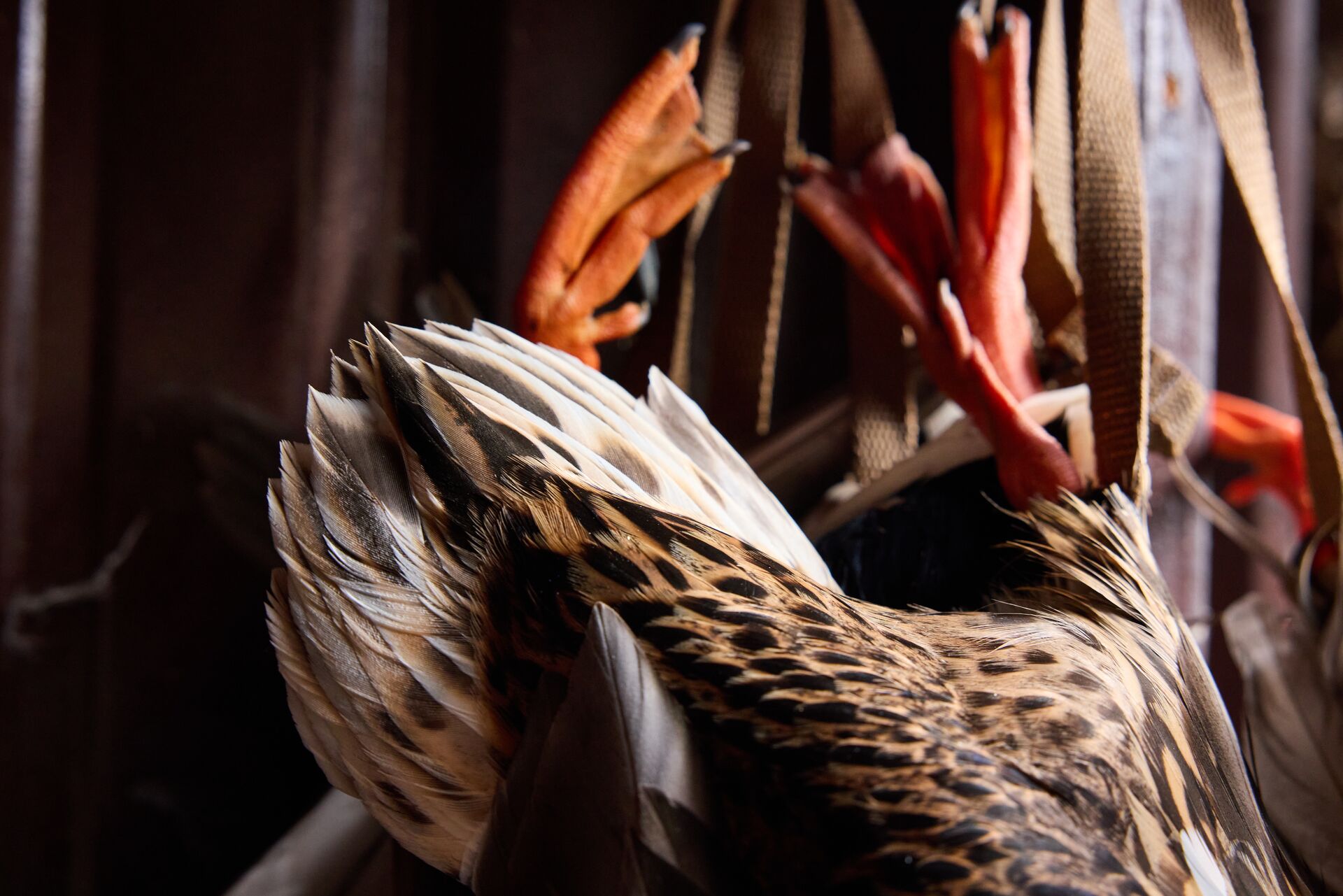
Duck Limits in NC and Other Key Regulations
Waterfowl rules and limits are in place to maintain sustainable duck populations. Before heading out, hunters should be familiar with bag limits, time restrictions, and other necessary regulations.
Bag Limits by Species
Daily harvest numbers vary by species.
Common ducks like mallards, wood ducks, and teal are more available, while canvasbacks and pintails often have tighter restrictions, sometimes allowing only one or two birds per day.
Sunday Hunting Ban
Waterfowl hunting on Sundays is not permitted during NC duck season. Hunters must plan their trips carefully, as this regulation can affect weekend hunts.
Shooting Hours
Legal shooting begins 30 minutes before sunrise and ends at sunset, with some post-sunset exemptions for Canada Goose. You'll need to be at your hunting site at least an hour or so before sunrise to have time to set up your decoys, make any blind adjustments, and settle in quietly before ducks start moving.
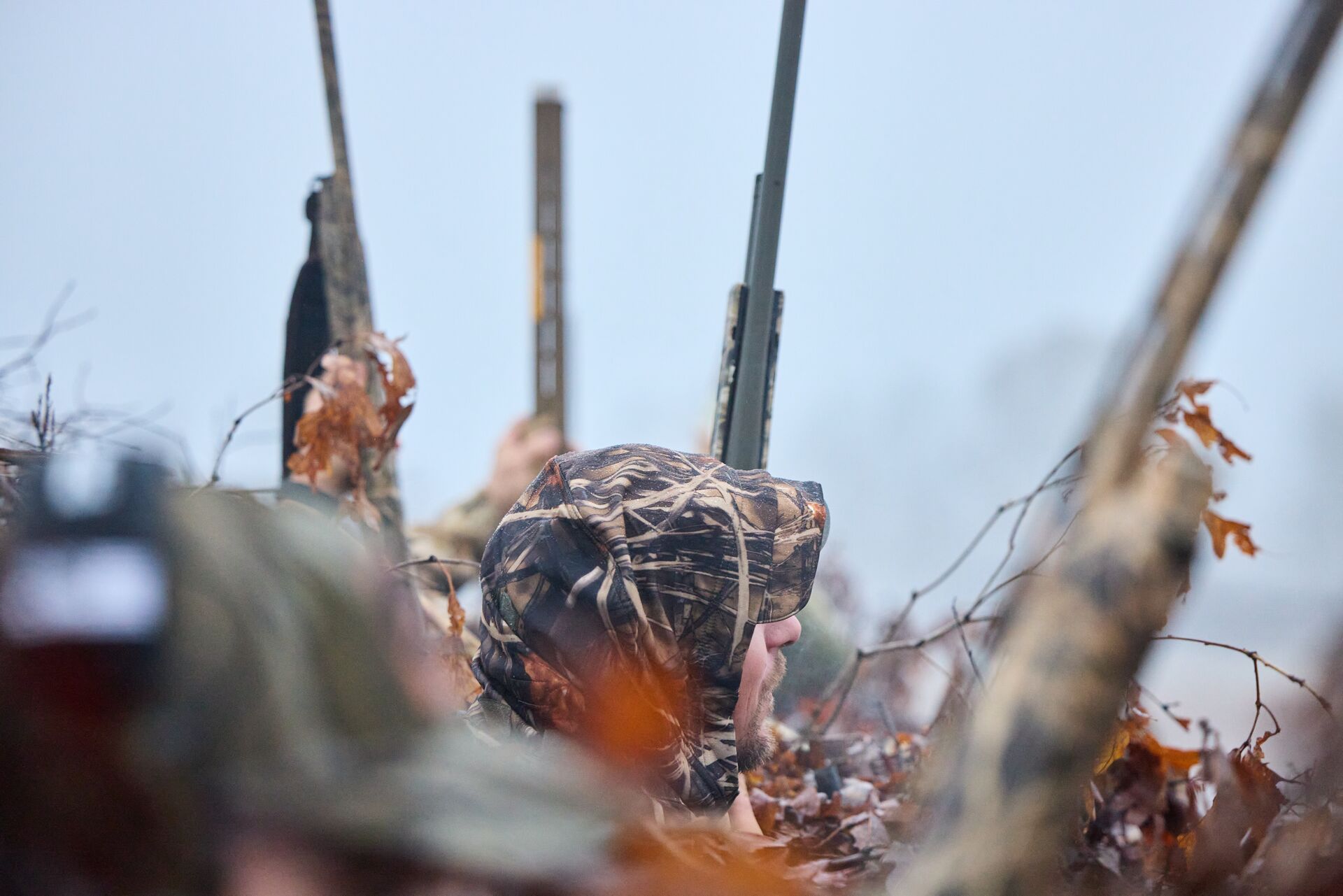
License and Education Requirements for NC Duck Hunters
Hunting legally means carrying the proper paperwork and certifications. North Carolina has several requirements that every waterfowler should be aware of.
Hunting License
All hunters must hold a valid North Carolina hunting license. Residents can purchase year-long permits, while nonresidents have the option to purchase annual or short-term licenses.
Waterfowl Privilege License
In addition to the general license, a waterfowl privilege license is required for anyone pursuing migratory birds. This applies to residents and non-residents.
Federal Duck Stamp
All hunters age 16 and older must have a current Federal Migratory Bird Hunting and Conservation Stamp. This stamp has funded wetland conservation nationwide for decades.
HIP Certification
Every waterfowl hunter needs their free Harvest Information Program certification. This program collects harvest data used in wildlife management and conservation.
Apprentice Hunting License Option
New hunters can purchase an apprentice license. This type of license allows them to hunt without completing hunter education immediately, provided a licensed adult supervises them.
Youth Hunting Opportunities
Each year, special youth waterfowl hunting days are available. These hunting days give young hunters time in the field outside of the regular season.
Hunter Education
To hunt legally in North Carolina, anyone born on or after July 1, 1967, must complete a state-approved hunter education course.
This training covers firearm safety, ethics, and conservation. Certification is valid for life and recognized in most other states.
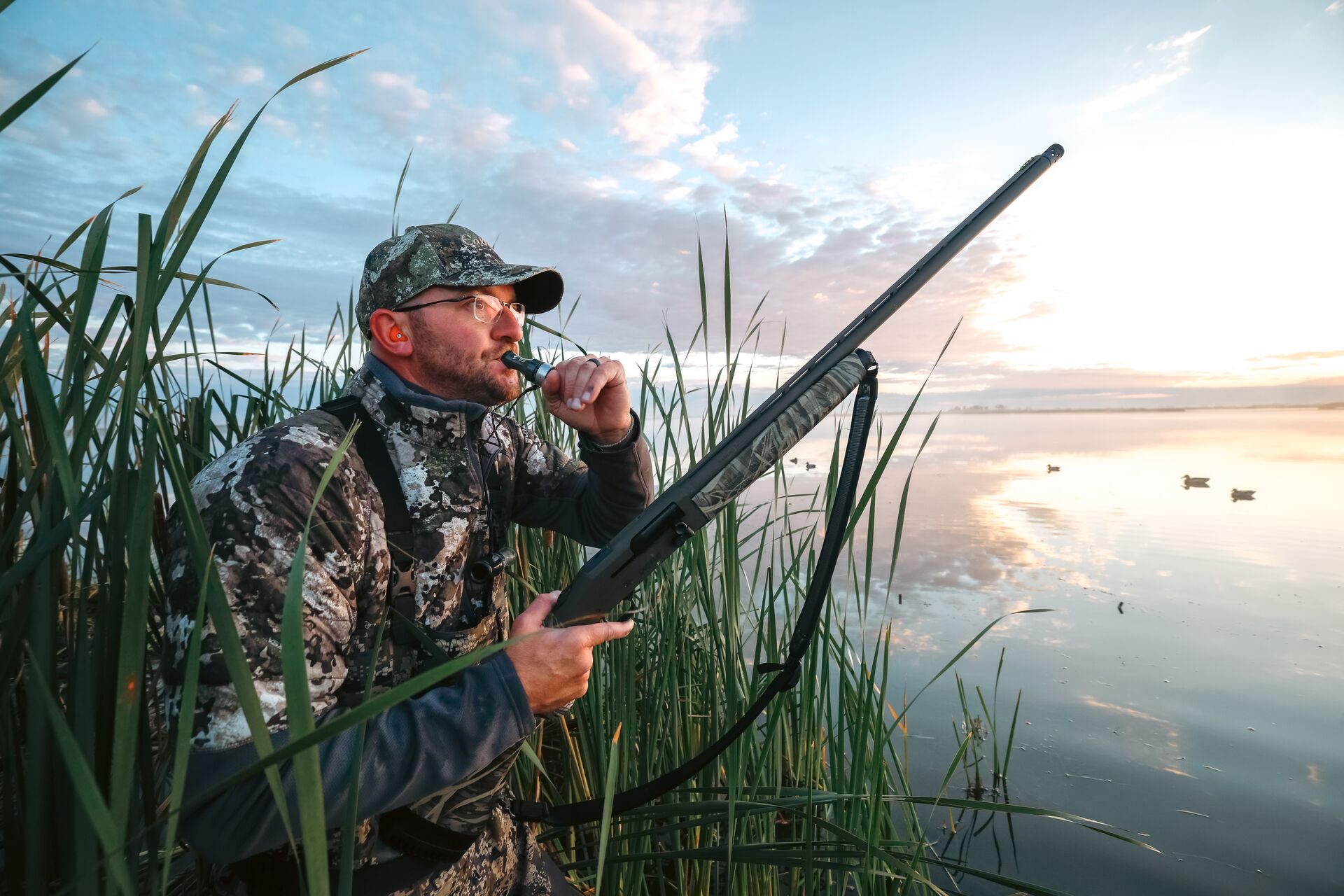
Stay Safe During the NC Duck Season with Hunter Safety Education
The NC duck season has it all. Unique habitats, a wide range of migratory species, and traditions that stand the test of time.
Hunters have both inland and coastal opportunities, so you can hunt in a way that fits your skills and interests. By planning around split-season dates, understanding bag limits, and securing the necessary licenses, you'll be ready for a safe and memorable season.
As always, remember that hunter education is the foundation of responsible hunting. If you're new to waterfowling or want to refresh your skills, completing an online hunter safety course with Hunter-Ed is your first step before getting in the blind. Plus, you'll meet the state's requirements for hunter education after completing your course!
Be ready for a safe waterfowl season!
Take the Hunter-Ed course for North Carolina before the season begins.
Frequently Asked Questions (FAQs)
We have answers to your questions about the NC waterfowl season!
Q: What is the HIP Harvest Information Program certification?
A: HIP (Harvest Information Program) certification is a requirement for hunters of migratory birds (ducks, geese, doves, rails, etc.). It is a free registration in each state where you hunt (including North Carolina).
Q: Do veterans have to take hunter safety?
A: In many states, yes. In North Carolina, a veteran must take an approved hunter safety course if they are a first-time hunter.
Q: Why is duck season only 60 days?
A: Duck season length is limited by federal and state migratory bird management frameworks to balance recreational hunting with conservation of waterfowl populations. Short seasons help ensure sustainable harvests, avoid overhunting, and support breeding population recovery.
Q: What is the duck limit in NC for 2025?
A: In North Carolina for 2025-26, the daily limit for ducks is 6 ducks, with species-specific restrictions.
Take the Hunter-Ed course for North Carolina before the season begins!