Hunting Survival Kit 101: How to Be Prepared for Emergencies
Disaster can happen to any hunter, no matter how experienced you are or how familiar you are with the terrain. Being 100% at peace with that reality is simply part of the hobby.
Weather changes, injuries, or getting lost under dense canopies can rapidly escalate into a life-threatening situation. Having a hunting survival kit and knowing how to use it could be the difference between going home and becoming a statistic.
Let's explore the survival steps to take when something goes wrong, what to include in your kit, and how to prioritize short-term survival needs, such as shelter, water, and rescue.
What Is the First Thing a Hunter Should Do in an Emergency Situation?
The first rule of survival seems easy, but it takes willpower: Don't Panic. Hunters who stay calm think more clearly, conserve their energy, and make better choices.
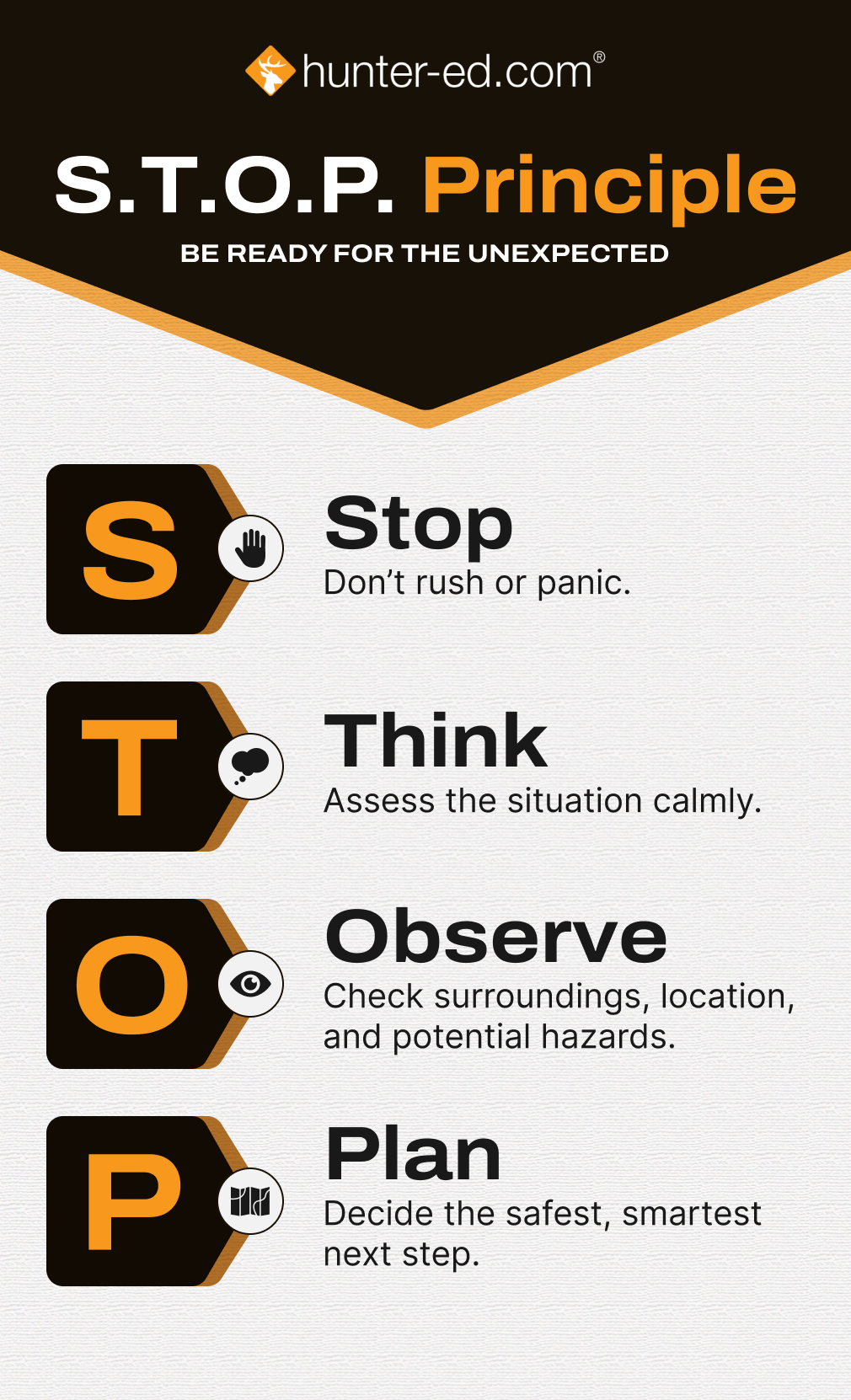
Just remember to S.T.O.P. and focus on the foundations of your plan:
- Stop: Sit down, breathe, and fight the urge to rush.
- Think: Assess what happened and the resources you have available.
- Observe: Look around for landmarks, hazards, or shelter options.
- Plan: Choose your next move carefully, based on conditions and available daylight.
A hunter who pauses to find shelter or mark their location before moving is far more likely to be rescued than one who keeps wandering. Gear doesn't matter if you can't remain calm.
What Is Recommended for All Hunters to Carry in a Survival Kit?
A good hunting survival kit isn't about packing for weeks in the wilderness: only focus on short-term survival, not long-term comfort. Keep your gear compact, waterproof, and tailored to your hunting environment.
Building a Hunting Emergency Kit
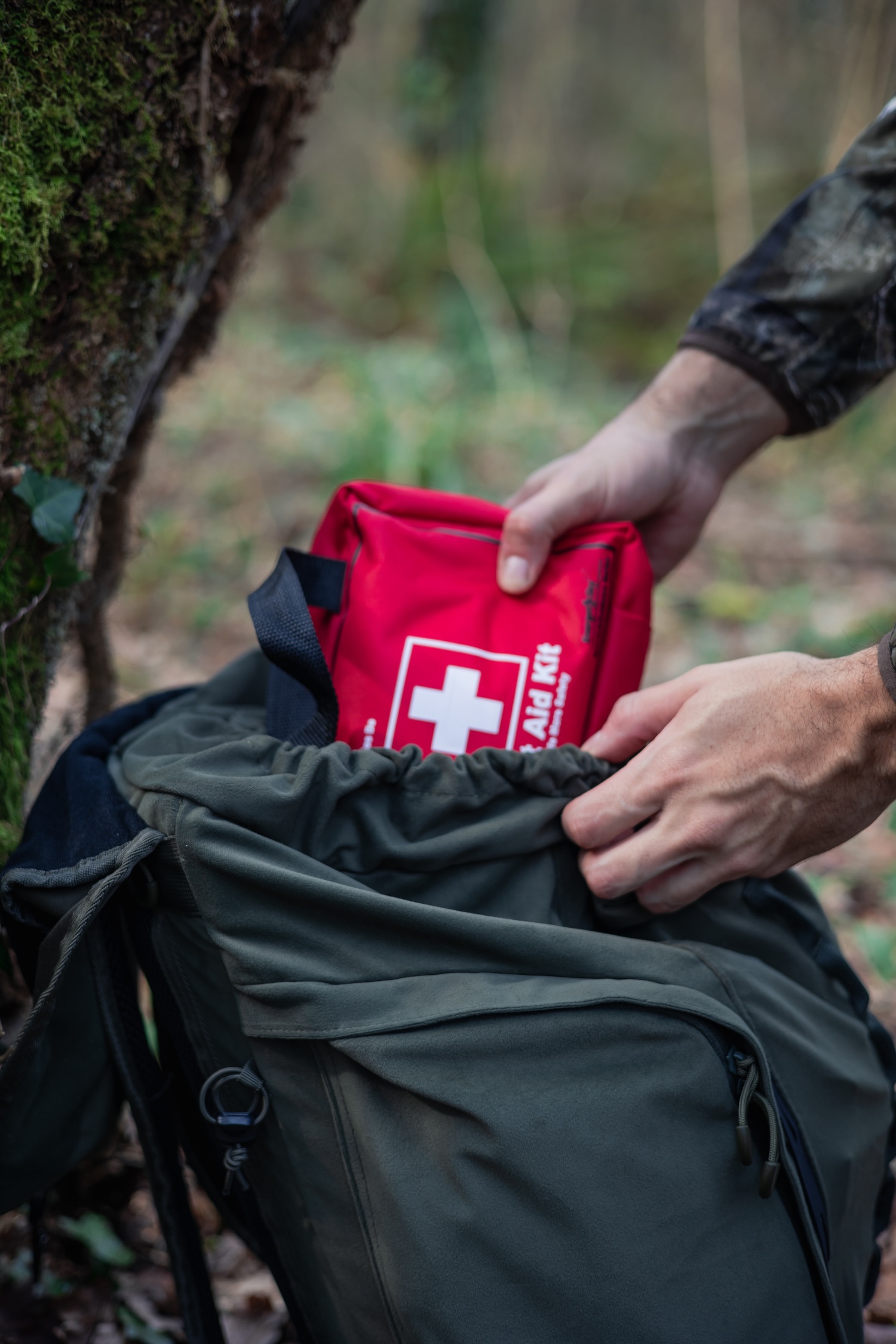
Store everything in a waterproof case or heavy-duty resealable bags. Pack duplicate items for life-saving tools. A lost lighter or firesteel can be a death sentence without a backup.
Remember to adjust the contents for your location and season. Cold climates require more fire and insulation gear, and desert hunts demand extra water purification equipment.
Review your kit each season, replacing expired or used items and removing unnecessary weight. A lean, efficient kit is better than a heavy pack filled with gear you'll never use or carry.
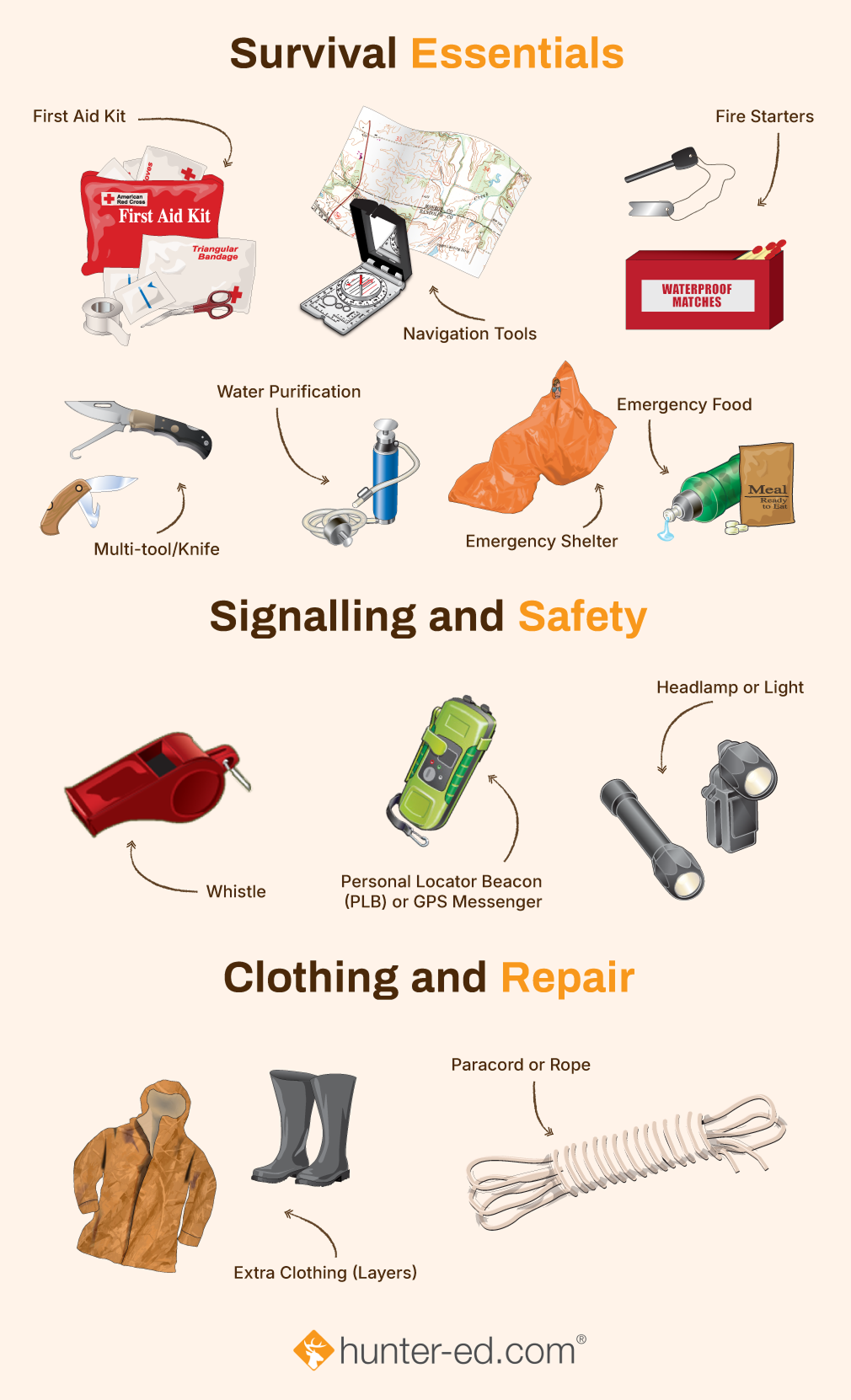
Survival Essentials
Every hunting survival kit should include a core set of tools. However, remember that not all items are equally important. Shelter and water should always take priority over food, since most rescues occur within 24–72 hours.
What Should Every Prepared Hunter Carry for Outdoor Emergencies?
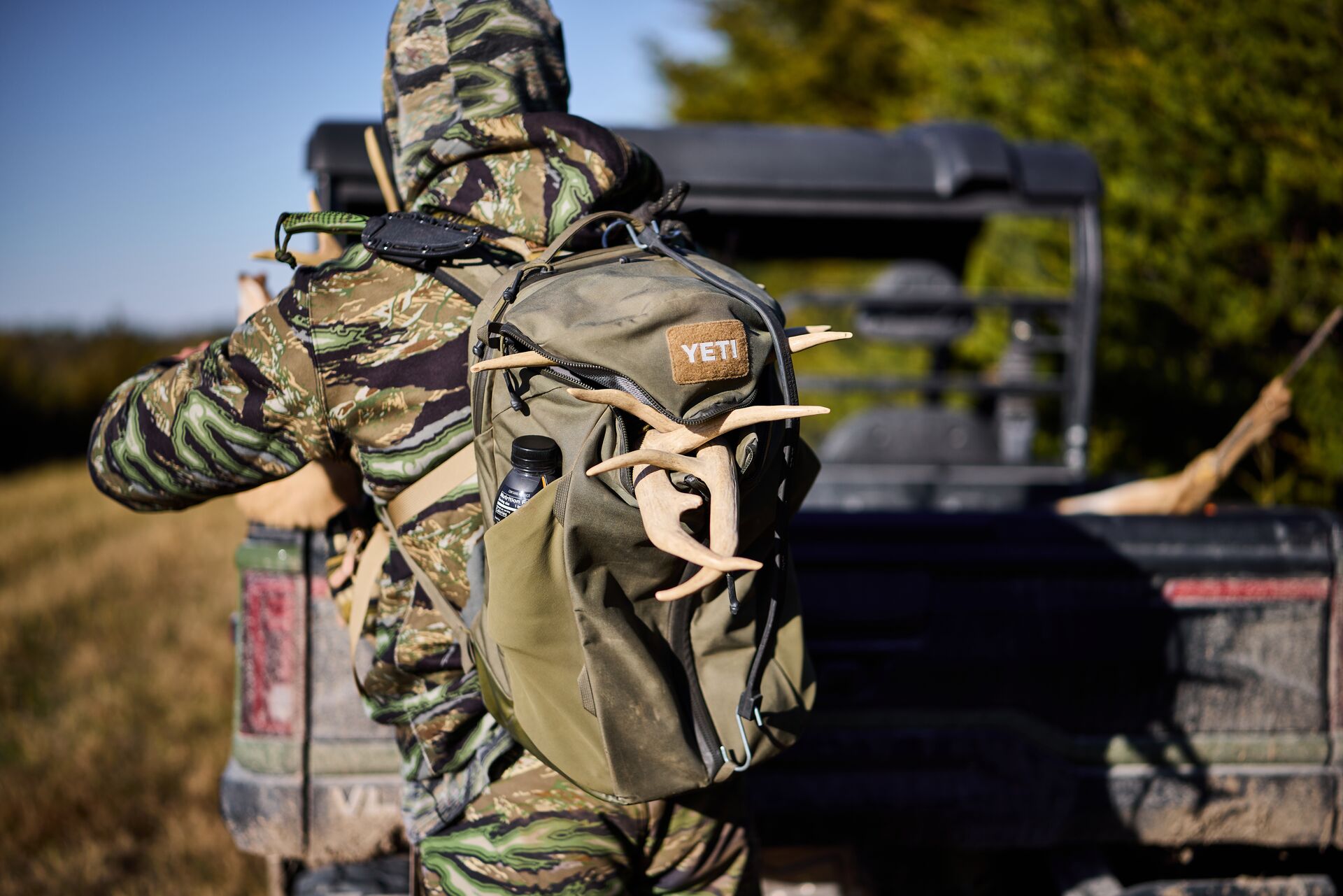
I've searched for lost hunters before, so I was asked recently by a friend while we were sitting 13 miles from the road in a broken-down SxS: What should every prepared hunter carry for outdoor emergencies?
I stressed that they should focus on the critical things below:
- Emergency Shelter: A tarp, bivvy sack, or space blanket prevents exposure, which is the leading cause of outdoor fatalities.
- Water Purification: Bring tablets, filters, or a metal cup for boiling water. You can go days without food, but dehydration becomes dangerous in just hours.
- Fire Starters: Pack waterproof matches, lighter, and fire steel. Fire provides warmth, morale, and a way to signal for help.
- Navigation & Signaling Tools: A map, compass, GPS device, whistle, or mirror can help guide rescuers to you.
- Flagging Tape: Hunters rarely consider it, but I always carry it. "If you move, you mark it" is a simple, life-saving practice.
- First Aid Kit: Remember bandages, antiseptics, and personal medication for cuts or sprains if you are injured and awaiting rescue.
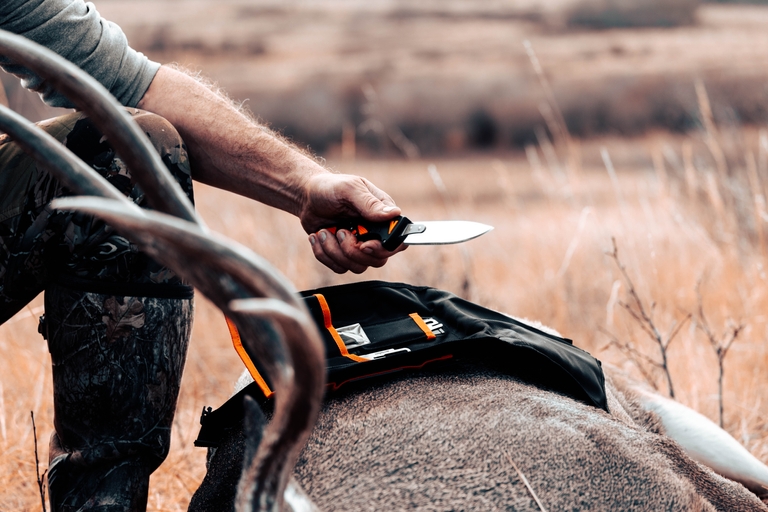
- Knife or Multi-Tool: These tools are vital for repairs, preparing kindling, blazing trees, or cutting cordage.
- Emergency Food: Pack energy bars or nuts—only enough to maintain your strength.
Shelter and water give you time. Fire and signaling bring help. Food is the last priority for short-term rescue situations.
Signaling and Safety
Once you're protected from the elements, your goal shifts to being found. Knowing what is emergency signal for distress could save your life. Use any combination of sound, light, or flame to make yourself visible and audible.
What Is Emergency Signal for Distress?
Three sharp whistle blasts or gunshots signal distress and carry farther than shouting. You should also reflect light toward aircraft or build three fires in a triangle pattern. Try to carry a GPS beacon that sends your exact coordinates to rescuers via satellite.
Signal early and often. The goal is to get saved, not to last forever. The sooner you make contact, the less you'll need to rely on secondary supplies such as food.
What Are the 5 Primary Requirements for Outdoor Survival?
For hunters, outdoor survival boils down to five priorities:
- Shelter: Shelter protects you from exposure, the most immediate threat to your life.
- Water: Water is essential, so always carry purification tools with you.
- Fire: Fire offers warmth, cooking ability, and a powerful means of rescue.
- Signals: A whistle, mirror, or PLB can help you alert rescuers.
- Food: Rarely critical in short emergencies, food is important for energy and long-term survival.
The best hunters understand that short-term survival is about endurance until rescue, not indefinite self-reliance.
Hunter Education Prepares You for the Outdoors
Hunter education courses teach you how to prevent emergencies and respond calmly when they happen. Training builds confidence and reduces the likelihood of accidents.
How to Prevent Emergencies
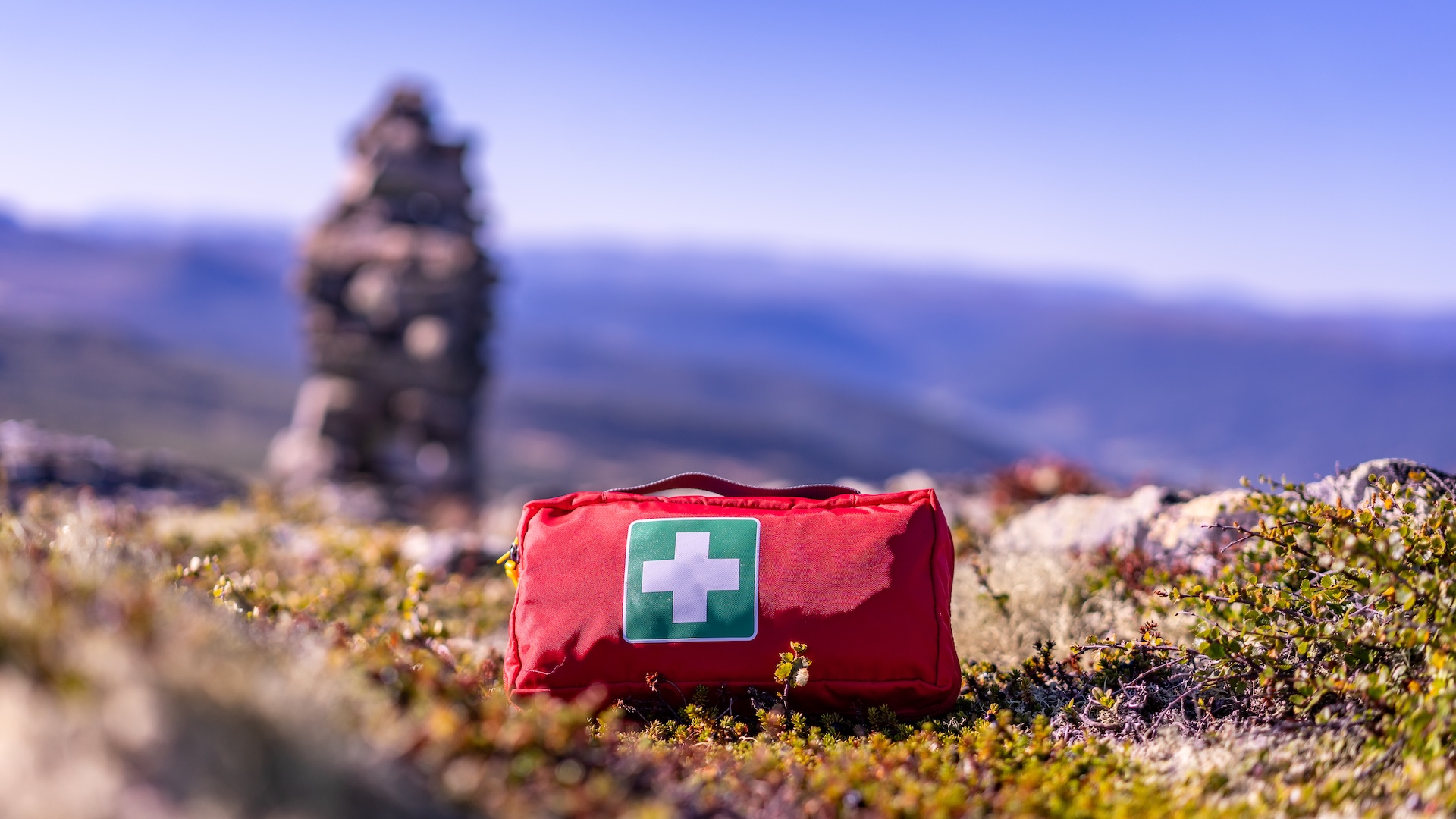
Carry a survival kit, pack layers, and practice good communication. Always let someone know your plan, check weather reports, and hunt with a partner when possible.
Through preparation, awareness, and sound judgment, you can learn to protect yourself and others.
Responding to Emergencies
Even the best preparation can't eliminate all risk, but hunter education teaches practical instruction on shelter building, fire starting, navigation, and applying the S.T.O.P. method to avoid panic.
With hunter education, you'll learn how to use mirrors, whistles, fires, and PLBs effectively, in addition to skills for building a basic first aid kit and treating injuries. Learn to use your hunting survival kit to help others as well as yourself.
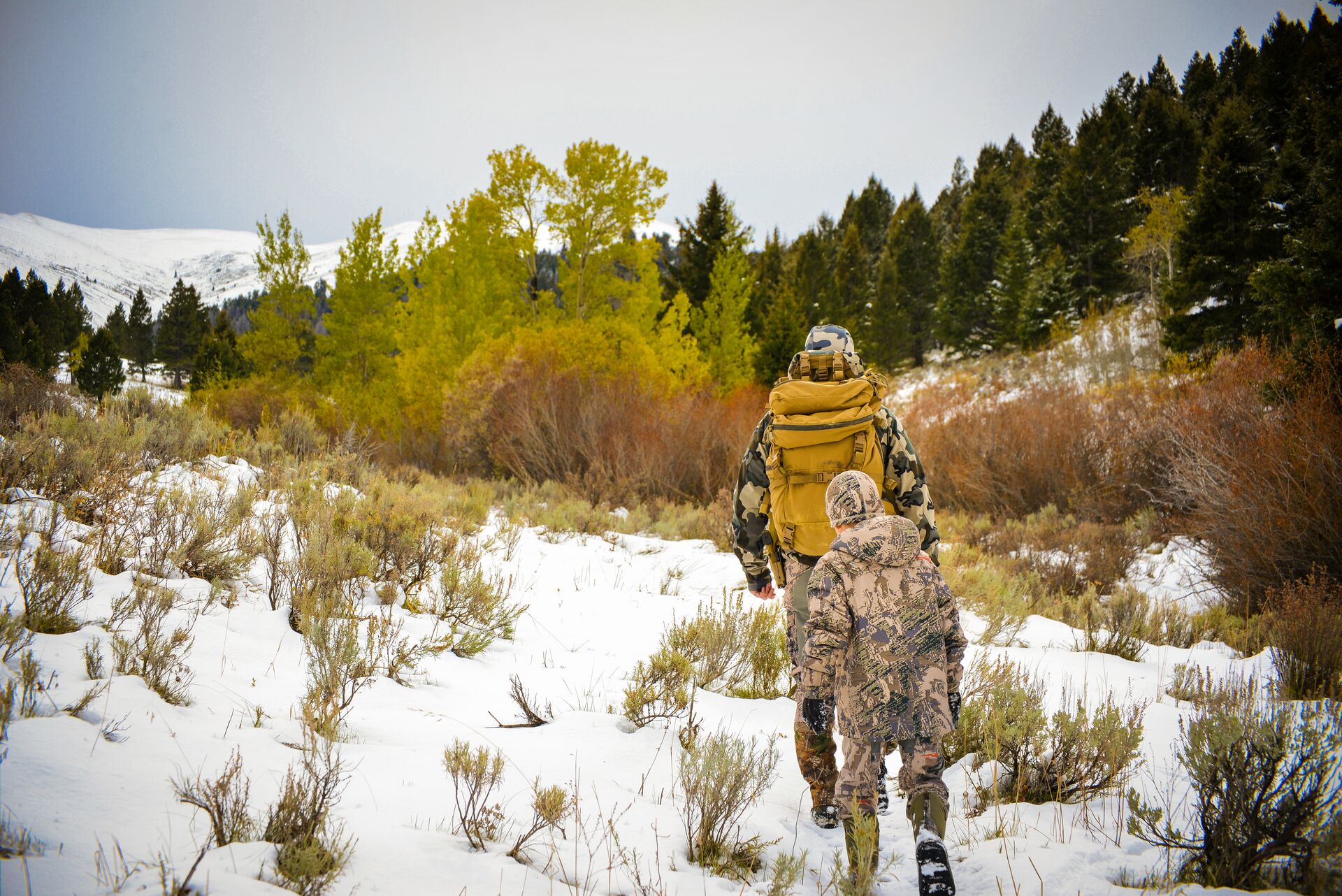
Be Prepared for Safer Hunts with Hunter Education
A hunting survival kit is about priorities. In a hunting emergency, you're focused on staying alive long enough to be rescued, usually for a night or two in intense cold or heat.
Prioritize shelter, water, fire, and signaling, then worry about food and comfort. Pack smart, stay calm, and prioritize safety.
Taking a hunter safety course through Hunter-Ed can also prepare you with the confidence and skills needed to survive and get found when it counts. Plus, most states require hunters to pass a hunter education course before hunting.
Whether you're planning your first hunt now or you are thinking ahead to an upcoming season, make sure you have a hunter safety certification.
Take the Hunter-Ed course for your state!
Frequently Asked Questions (FAQs)
We have answers to your questions about packing a hunting survival kit.