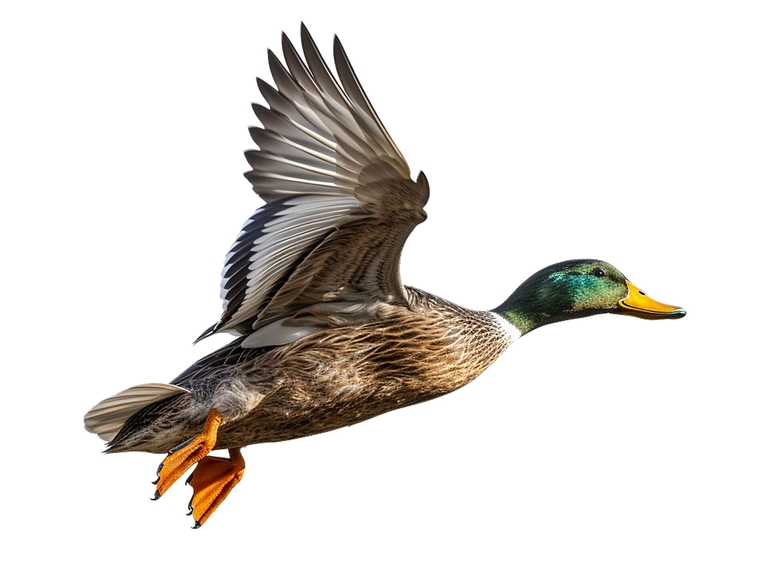
The Best Late Season Duck Hunting Tips
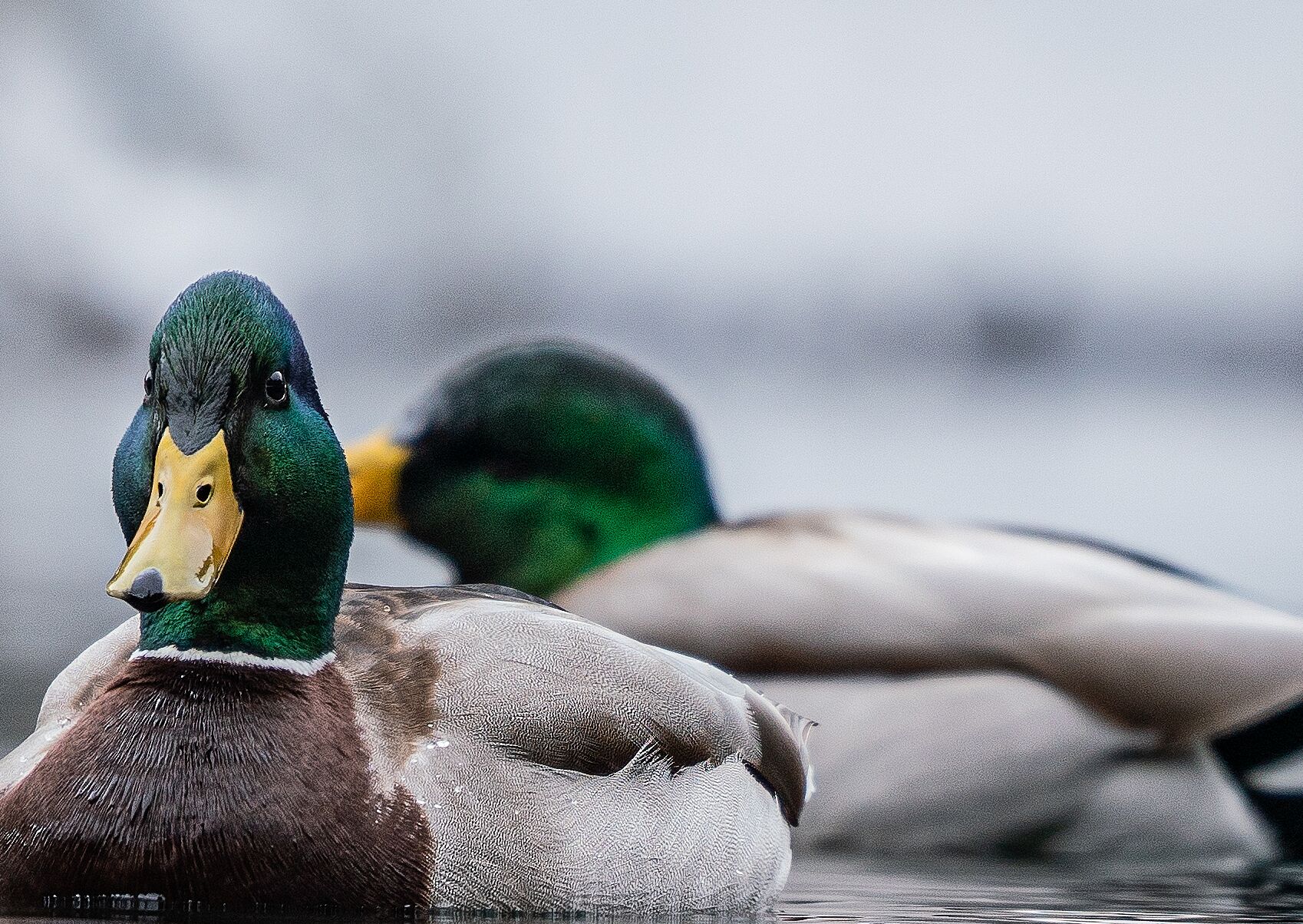
Most hunters hang up their waders not long after opening week or mid-season. I get it: it's cold out there! But for those willing to brave the chill, late season duck hunting comes with a big payoff.
With fewer hunters in the blind, fully feathered birds, and predictable patterns, you can find some of the best hunting in the last few weeks of the season. Today, we'll cover how to safely hunt pressured ducks and set up realistic spreads in cold conditions, while staying concealed and comfortable during winter duck hunting season.
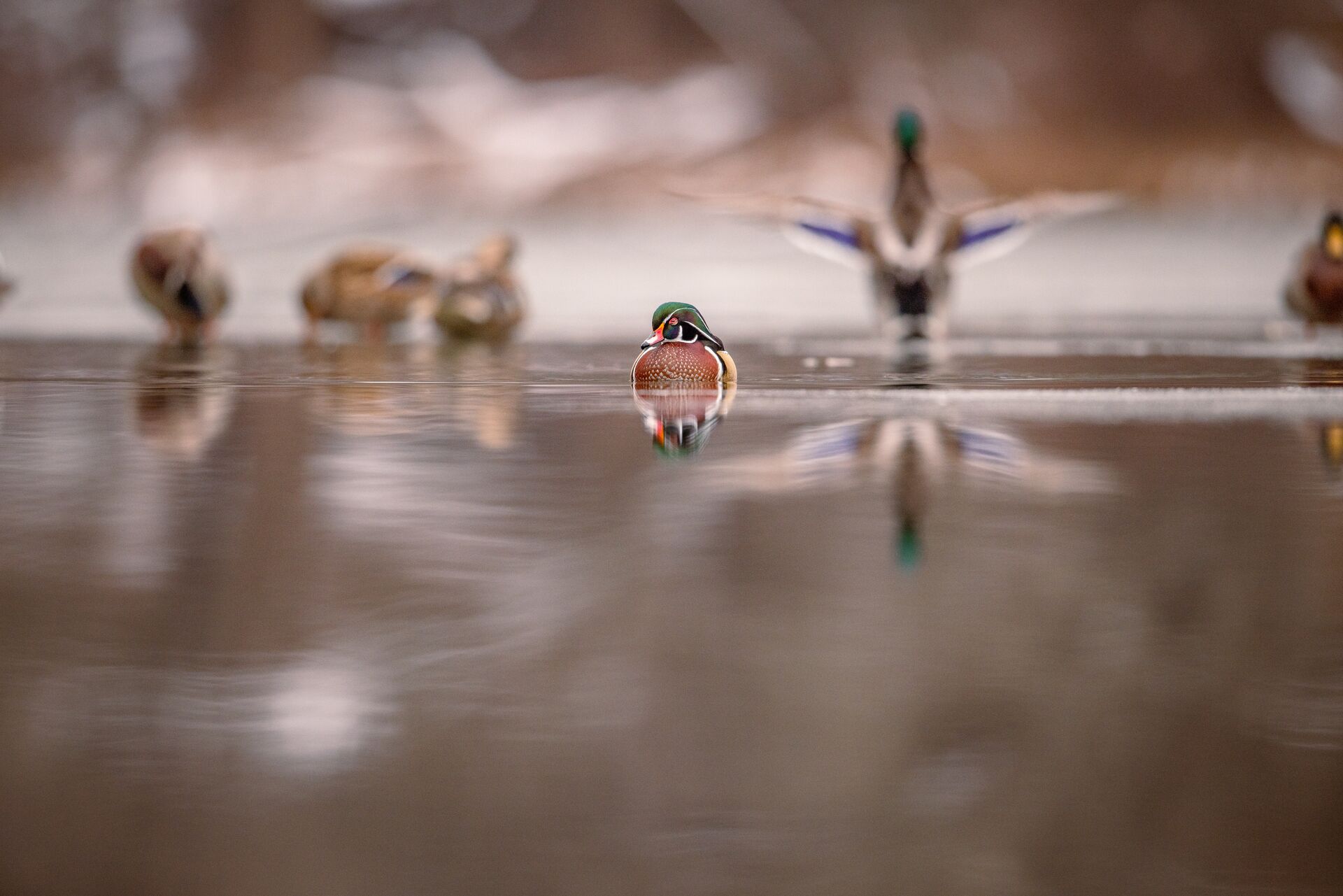
Is Late Season Duck Hunting Good?
For many experienced duck hunters, this is their favorite time of the season.
Late-season ducks are smarter, more alert, and fully conditioned by months of pressure. They follow strict, reliable routines to make it this far, often hitting the same feeding and loafing areas out of survival.

How to Hunt Late Season Ducks
When temperatures drop, your duck hunting strategies need to shift. Consider the following cold weather duck hunting tips.
- Scout open water: Focus on rivers, spring-fed ponds, and other water sources that are less likely to freeze.
- Hunt later: As the sun rises, the ice starts to melt, and ducks move. Avoid the pre-dawn wait.
- Rebrush your blind: Match bare or snow-covered landscapes. The spacious duck blind that worked in October may look out of place in December.
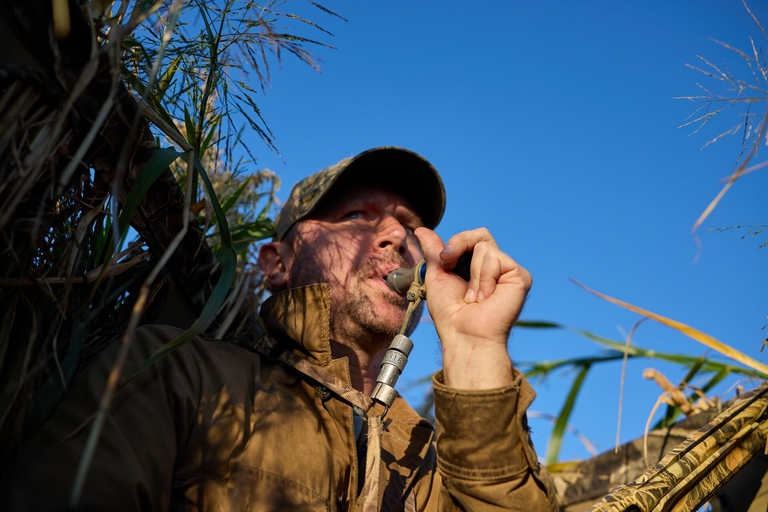
- Use minimal calling: Aggressive highballs spook winter ducks. It's too late for that. Stick to soft feeding chatter and quiet quacks.
- Stay mobile: Being able to move to fresh water or hot feeds is often more valuable than sitting tight in a frozen hole.
- Keep water open: Use motion decoys or break ice by hand if needed. Ducks won't land in locked-up spreads.
Experience is the best teacher here, but start with the guidelines above.

Adaptability Is Key
When late season duck hunting, don't stick to the same old plan if it isn't working. Birds are shifting daily due to feeding needs, weather, and hunting pressure.
Stay flexible and trust your eyes. If you need to walk 200 yards to where the birds landed yesterday, do it.
If your late season duck decoy spreads aren't drawing birds, change the layout or reduce the number.
Location is Crucial
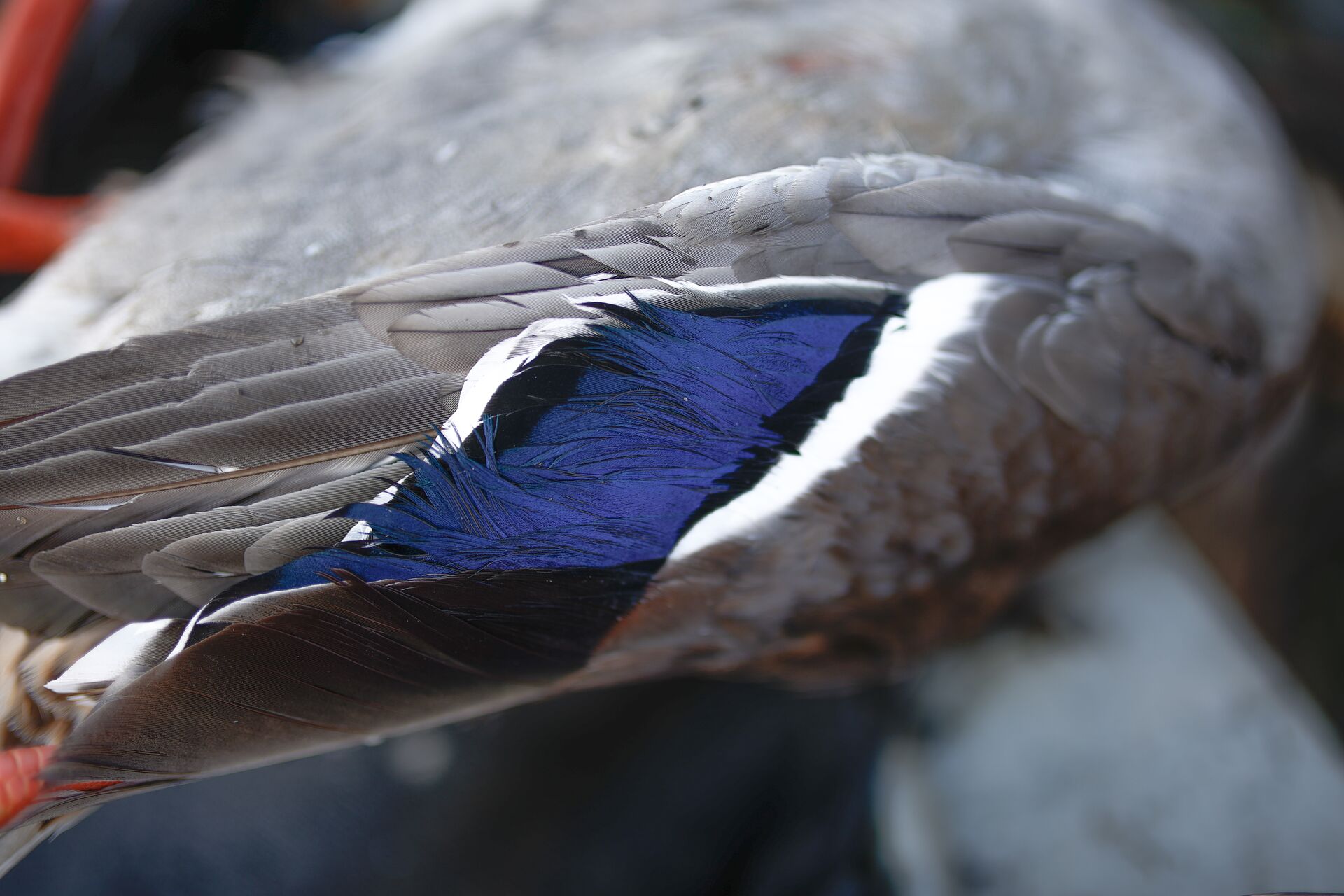
I can't stress this enough: when winter duck hunting, location is more important than ever.
Late-season birds may stick to just one or two areas, especially when food and water are scarce. Use binoculars or a spotting scope to watch from a distance, and scout over several days to learn the roosting, feeding, and loafing patterns.
Adjust Decoys
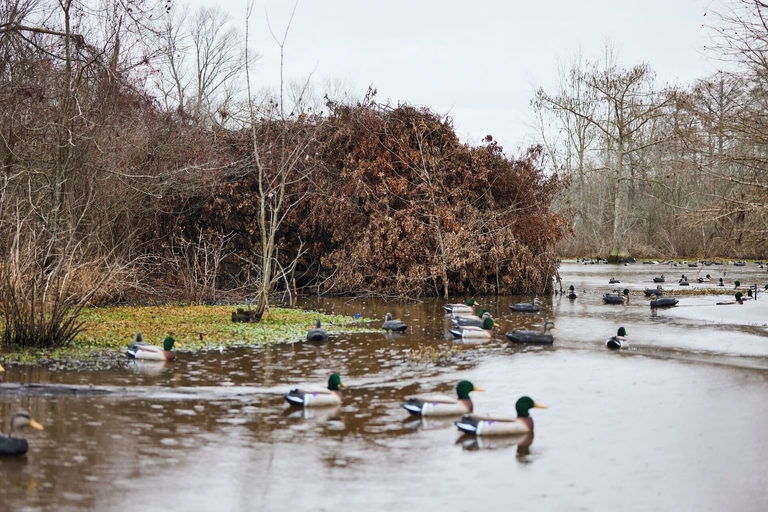
Late-season ducks are wary of big spreads. Downsize to match what you actually see birds doing.
On a recent hunt, I used just eight decoys, and they worked better than the 40-something that a group of us used the week before.
Concealment
Gone are the lush green cattails and tall grass: in the winter, you're dealing with bare banks, snow, mud, or ice.
If you've ever fly-fished, think of it as "matching the hatch." Look around you, and use what you see to stay hidden.
Calling
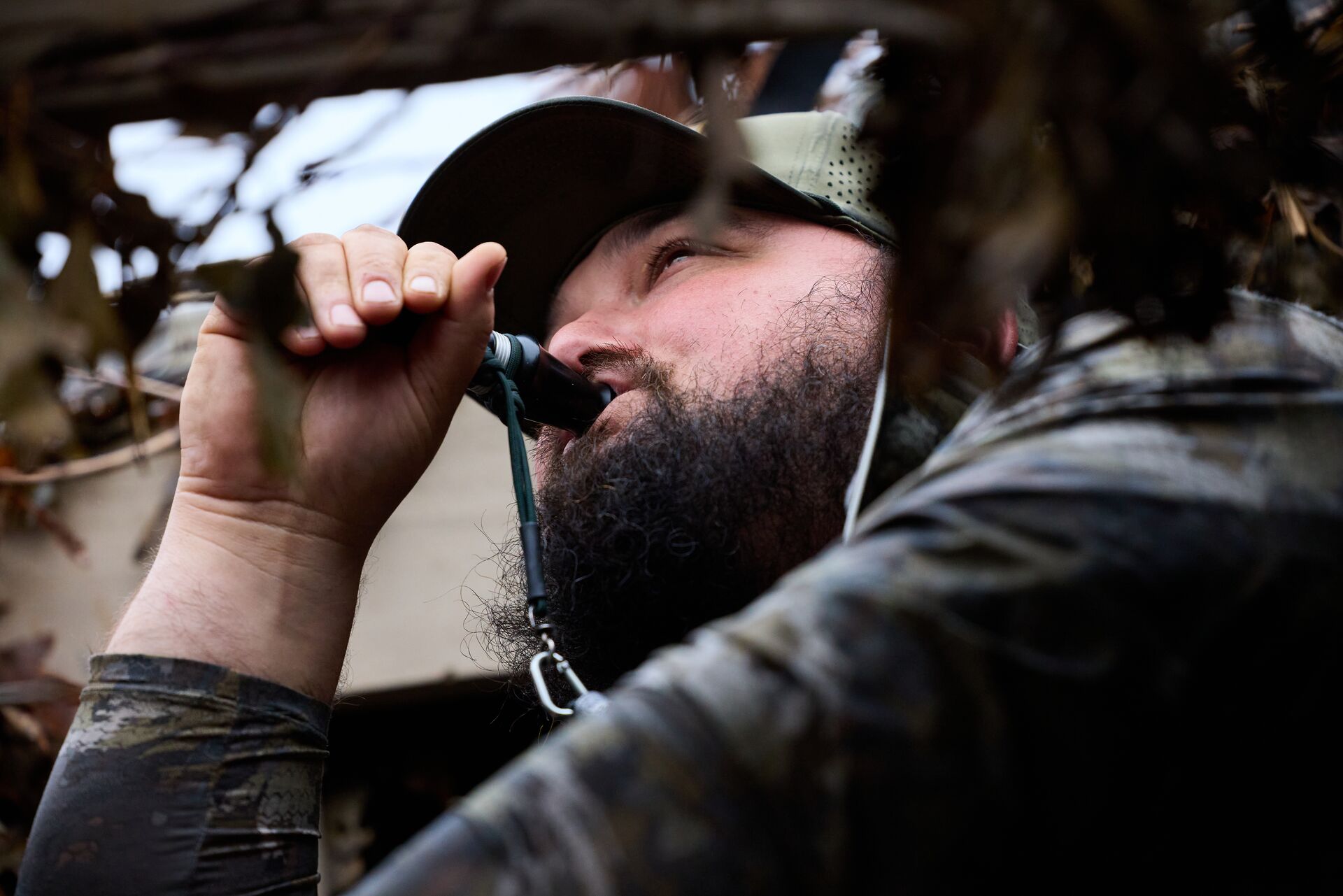
Late-season birds are extremely call-shy. By now, they've heard every loud highball in the book. When in doubt, call less.
Save the aggressive calling for early October. During the winter, light quacks work best. I even stop calling entirely once ducks appear. If they commit, don't risk turning them away.
Tactics
Brutal weather calls for clever tactics. I've learned that staying put in one spot rarely works late in the year. Move often, and if ducks flare from your blind, change your approach.
In other words, don't overhunt in the same location. Rotate spots and let areas rest so ducks don't pattern you.
Pay attention to any group's approach angle, preferred landing zone, and what they avoid.
Winter Duck Hunting is Different
Winter duck hunting means reacting to how birds deal with ice and wind. Frozen water forces ducks to gather on moving rivers, creeks, and springs.
Winter weather can also be unforgiving for hunters, so be ready for emergencies.
Tips for Late Season Duck Decoy Spreads
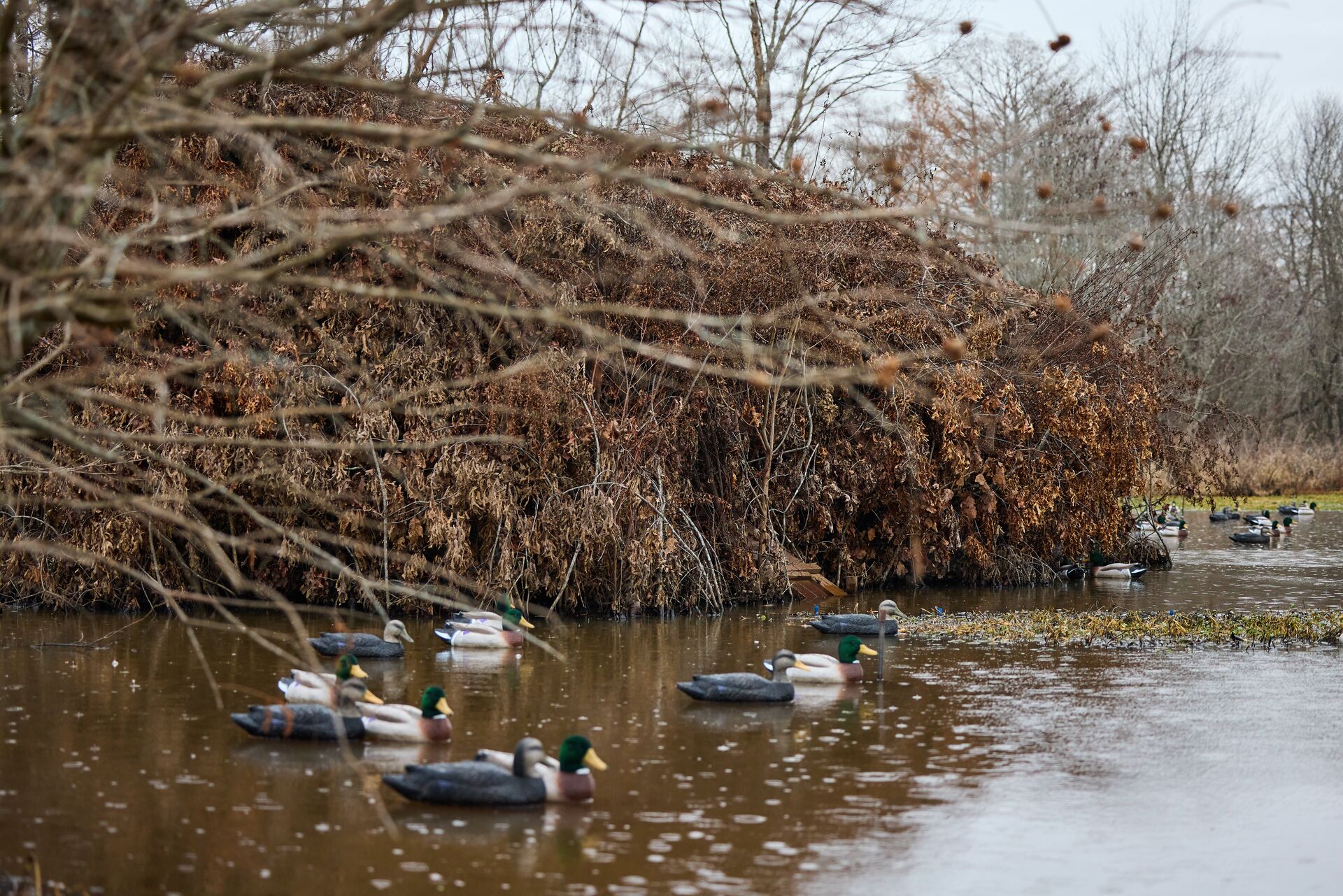
One of the most effective adjustments you can make is to change how you deploy decoys. In cold conditions, animals conserve energy. Ducks start to group in small flocks and land cautiously around the edges of feeding areas.
Late season decoy spreads should be loosely spaced and consist mainly of hens or mixed species to enhance realism. Avoid tight bunches or overpacking. Add movement to simulate feeding and keep water from freezing.
What About Late Season Wood Duck Hunting?
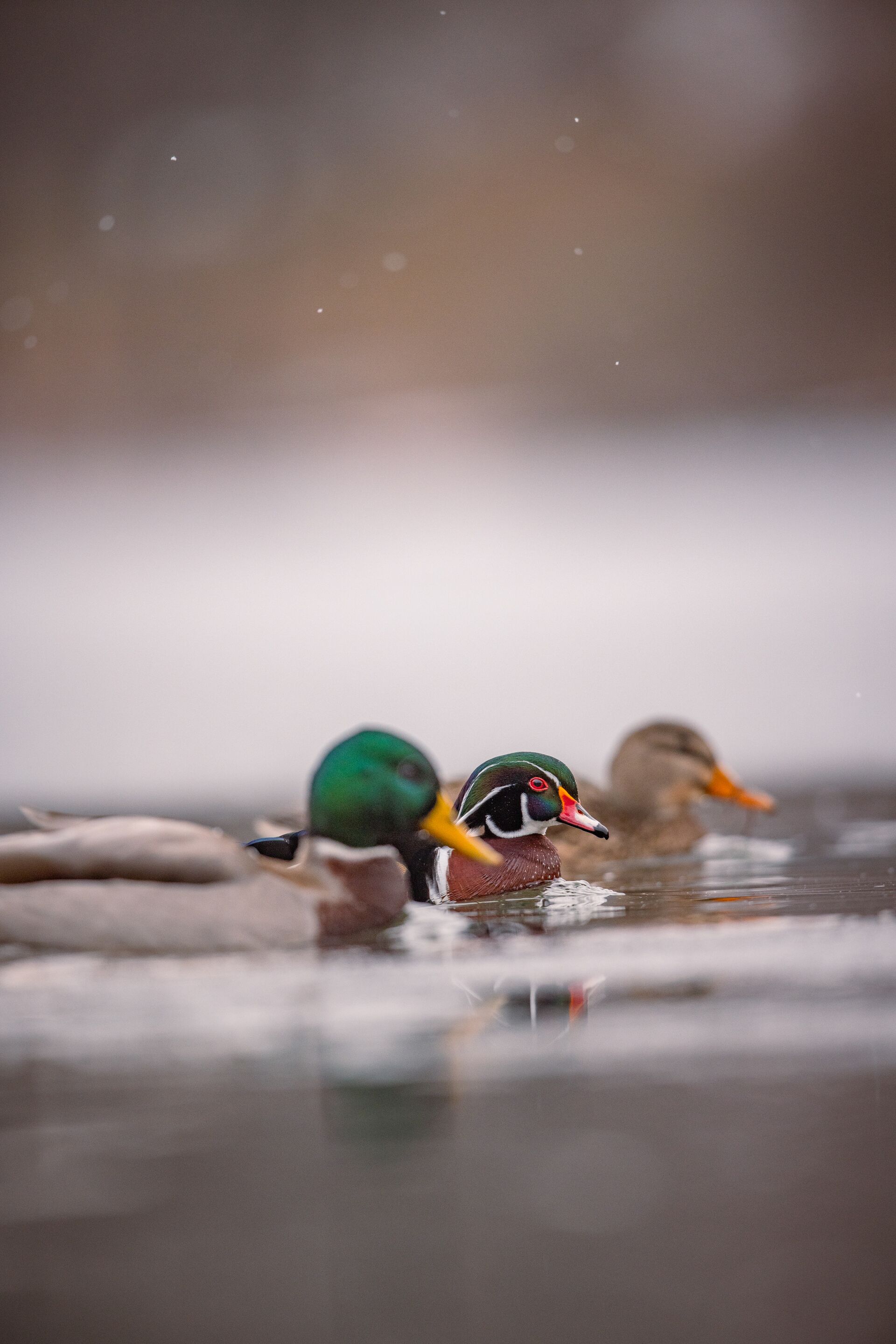
Late season wood duck hunting is possible in certain locations.
Talk to local hunters to find out more. In many areas, woodies are long gone by December, but they'll hunker down in spring-fed creeks, swamps, or hardwood sloughs.
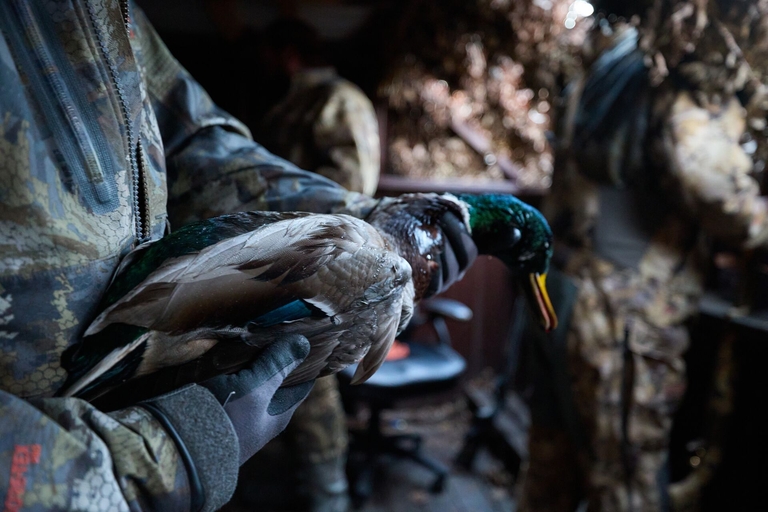
Late in the year, wood ducks are quieter and spook more easily. Find where they are, skip the calling, and wear camouflage that blends into leafless trees and brown marsh grasses. Use natural concealment and find cattails, brush piles, or snow to blend in.
Keep movement to a minimum, especially in calm water, and shoot quickly. Famously wary wood ducks won't circle twice.
Final Cold Weather Duck Hunting Tips
When you're targeting pressured birds in below-freezing temps, good tactics make a big difference.
Here are a few final cold weather duck hunting tips:
- Break ice quietly: Use a push pole or spud bar instead of stomping around.
- Add motion to spreads: Pulsators and jerk strings keep ice from forming and simulate feeding behavior.
- Use fewer decoys: Tight spreads ice over and look unnatural this time of year.
- Stay dry: Wet clothing will end your hunt early, so pack extra socks and gloves.
- Prep your blind: Clear the snow, insulate the floor, and stash extra heat packs.
Another way to avoid ice and add motion is to stick to moving water. Consider using a canoe as part of your late season duck hunting plans.
Be Ready for Late Season Duck Hunting with Hunter-Ed
If you're willing to adapt, late season duck hunting can be the best part of your year. Birds are tougher, and conditions are colder, but the challenge makes the reward even greater.
Think of still-hunting strategies when winter duck hunting. Bring fewer decoys, call less, scout smarter, and stay comfortable. The final weeks of the season are about patience, precision, and putting your cold weather duck hunting tips to the test.
Ready to improve your odds of limiting out? A state-specific, online hunter education course from Hunter-Ed prepares you for every phase of the season, including challenging, rewarding winter duck hunting.
Most states require hunters to pass a hunter education course before hunting! Now is the best time to make sure you're certified before hunting season. Hunter-Ed makes it easy!

Frequently Asked Questions (FAQs)
We have answers to common questions about late season duck hunting!
Q: Is late season duck hunting good?
A: Yes! Late season can be excellent if you adapt. Ducks are more cautious, but cold weather concentrates birds and can trigger strong feeding flights.
Q: How do you hunt late season ducks?
A: To hunt late-season ducks, focus on concealment and realism. Hide well, downsize or adjust decoys, call less, and target fresh food sources or weather-driven movement.
Q: Is it better to hunt morning or evening late season?
A: Morning is usually better for hunting ducks. Ducks often move early from roosts to feed, while evening flights can be shorter and less predictable in cold conditions.
Q: Is #2 shot or #3 shot better for mallards?
A: Both #2 and #3 shots work for hunting mallards. #2 shot offers more penetration at longer ranges, while #3 shot gives a denser pattern at closer ranges. Choose based on your typical shooting distance.