10 Waterfowl Hunting Tips for a Safe and Successful Duck Hunt
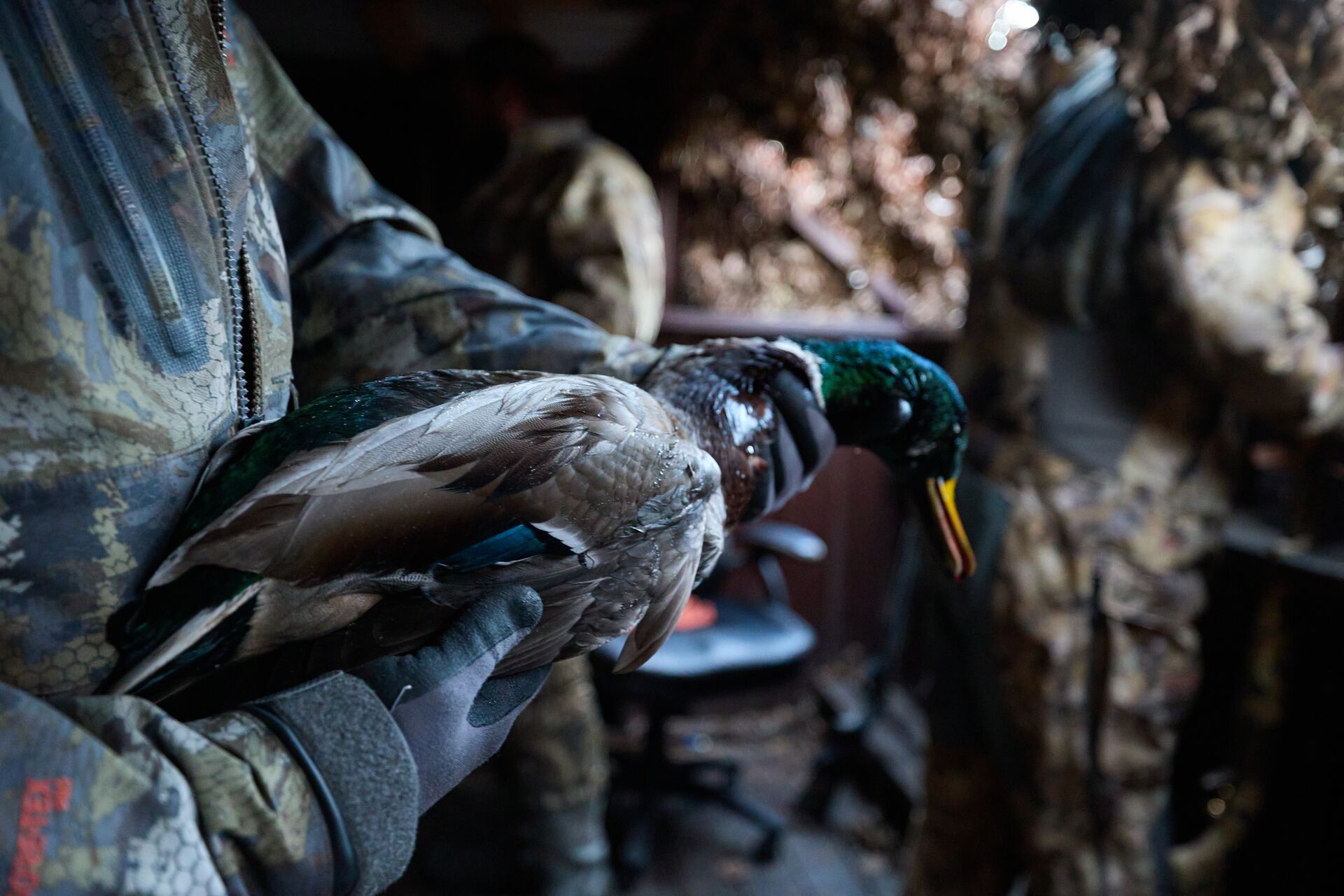
Waterfowl season is right around the corner, so it's time to start practicing your calling. Once you hear the sound of wings cutting across the sky to your call, you're hooked for life.
Experienced hunters will tell you that hunting ducks offers a one-of-a-kind rush, so we're here to give you practical waterfowl hunting tips to help you find big-time success while hunting ethically and legally.
In addition to explaining the thrill of waterfowl hunting, we'll cover how to scout birds, stay safe on the water, and fine-tune your gear selection for success.
10 Waterfowl Hunting Tips for Success
Ready to get after some birds this season? These ten tips will help you make the most of your time in the field.
1. Scout Before the Season Starts
Duck hunting success often starts long before opening morning. Whether you're targeting public wetlands or tucked-away ponds on private land, the key is finding where ducks feed, roost, and travel.
Start by using aerial maps and hunting apps like HuntWise to identify waterfowl flyways, marsh edges, or oxbow lakes. After you've marked a few spots, plan scouting trips around sunrise so you'll see active birds. Being there early helps you pinpoint where birds are landing, feeding, or flying through, so you're not guessing on hunt day.
You'll also want to look for fresh sign, like feathers, tracks, droppings, or recent feeding. Sign helps confirm active use.
2. Prioritize Hunting Safety on the Water
Waterfowl hunting often involves boats, deep wading, and icy conditions. It's no surprise that safety risks are elevated when water and firearms are in the same place. Staying safe on a boat while hunting means taking a few extra steps.
Before every hunt, let someone know where you'll be hunting and when you expect to return. If you're boating, anchor your vessel securely to avoid drifting in the current or wind. Whether you're using a layout blind or hunting waist-deep in a swamp, always wear a personal flotation device (PFD).
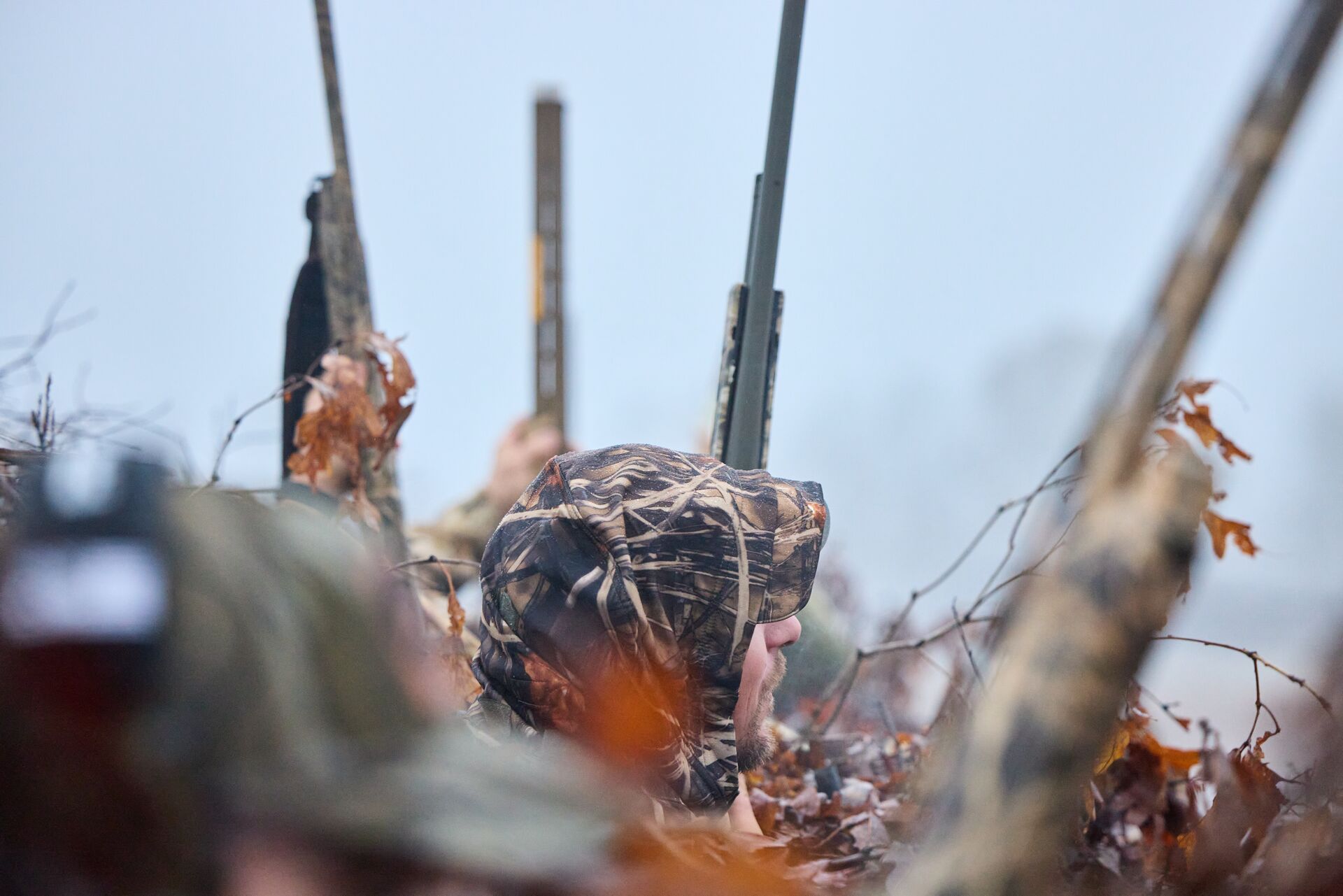
3. Know Your Shotgun Safety Rules
Careless firearm handling in boats or blinds can be deadly.
Here are a few firearm safety essentials every waterfowl hunter should practice:
- Always treat your shotgun like it's loaded — even if you know it's not.
- Point your gun in a safe direction and never sweep it across another hunter.
- Leave your safety on until you're ready to shoot, and call out when you're firing to prevent confusion.
Hunting in tight blinds requires discipline and clear communication. Take the time to go over safety measures with your partners before the day breaks.
4. Use the Right Duck Hunting Gear
The right equipment means the difference between a comfortable hunt and one cut short by misery. Being cold and wet is obviously bad news and definitely a safety issue.
At a minimum, make sure your waterfowl gear includes these basics:
- Waterproof camouflage matched to your environment of reeds, flooded timber, or grasslands.
- Waders and insulated boots that keep you dry and warm, especially during long sits in cold water.
- A blind bag organized with duck calls, spare shells, and a headlamp.
- A reliable shotgun that runs smoothly in damp, frigid conditions.
Take it from me, the one thing you want in that bag is an extra pair of dry gloves and a backup pair of socks.
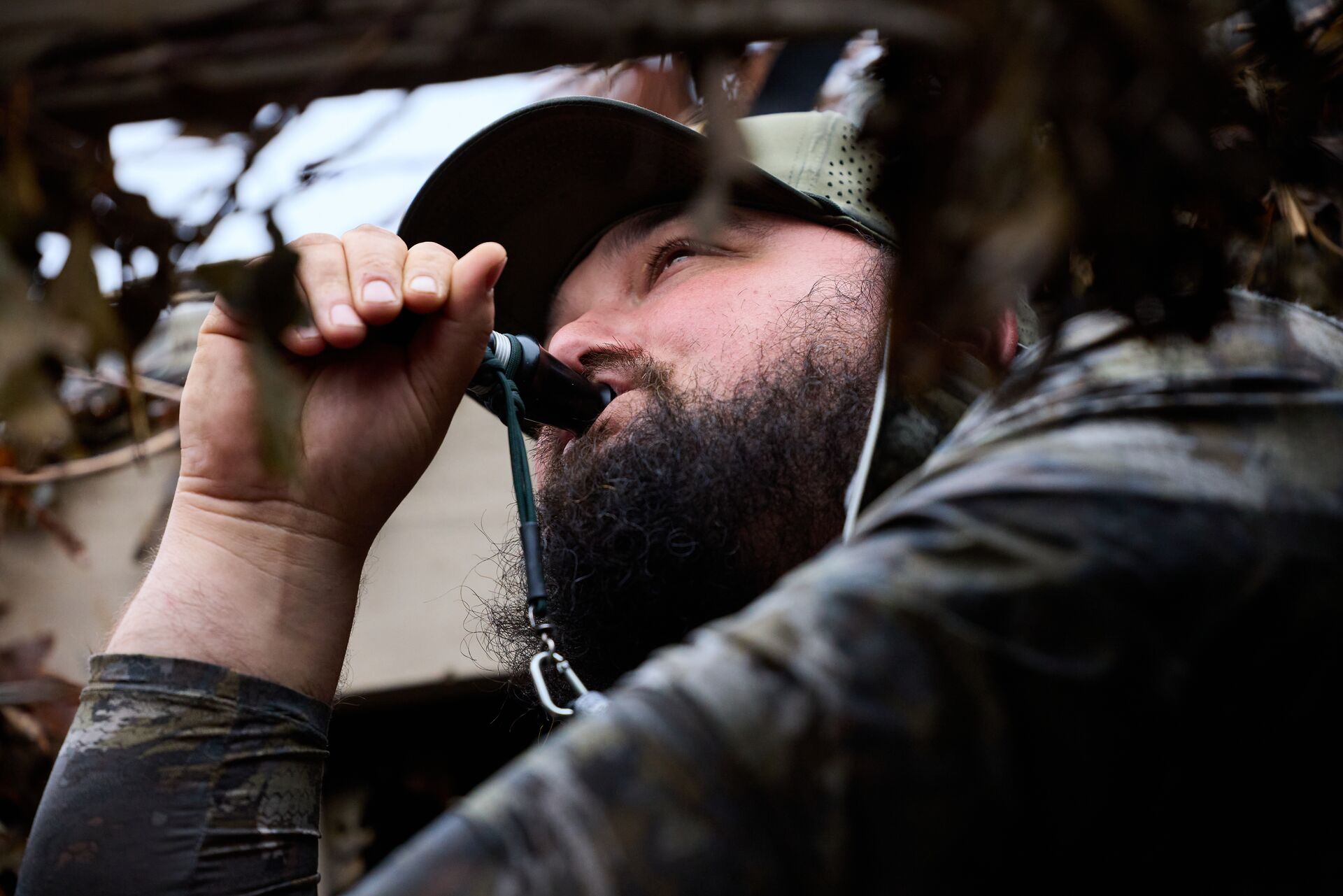
5. Master Your Duck Calling Technique
When it comes to calling, the ducks have heard it all. Remember that, like turkey hunting, less is often more.
Start by learning basic duck calls:
- A greeting call to catch attention
- A feeding chuckle to simulate contentment
- A comeback call to pull circling birds back in
One of the best waterfowl hunting tips is to match your cadence to the birds' mood. If they're already working the spread, let them commit. If they're passing by, a well-timed greeting call may turn them. But overcalling or calling at the wrong time can cause birds to flare away.
Combine calling with natural decoy movement for added realism.
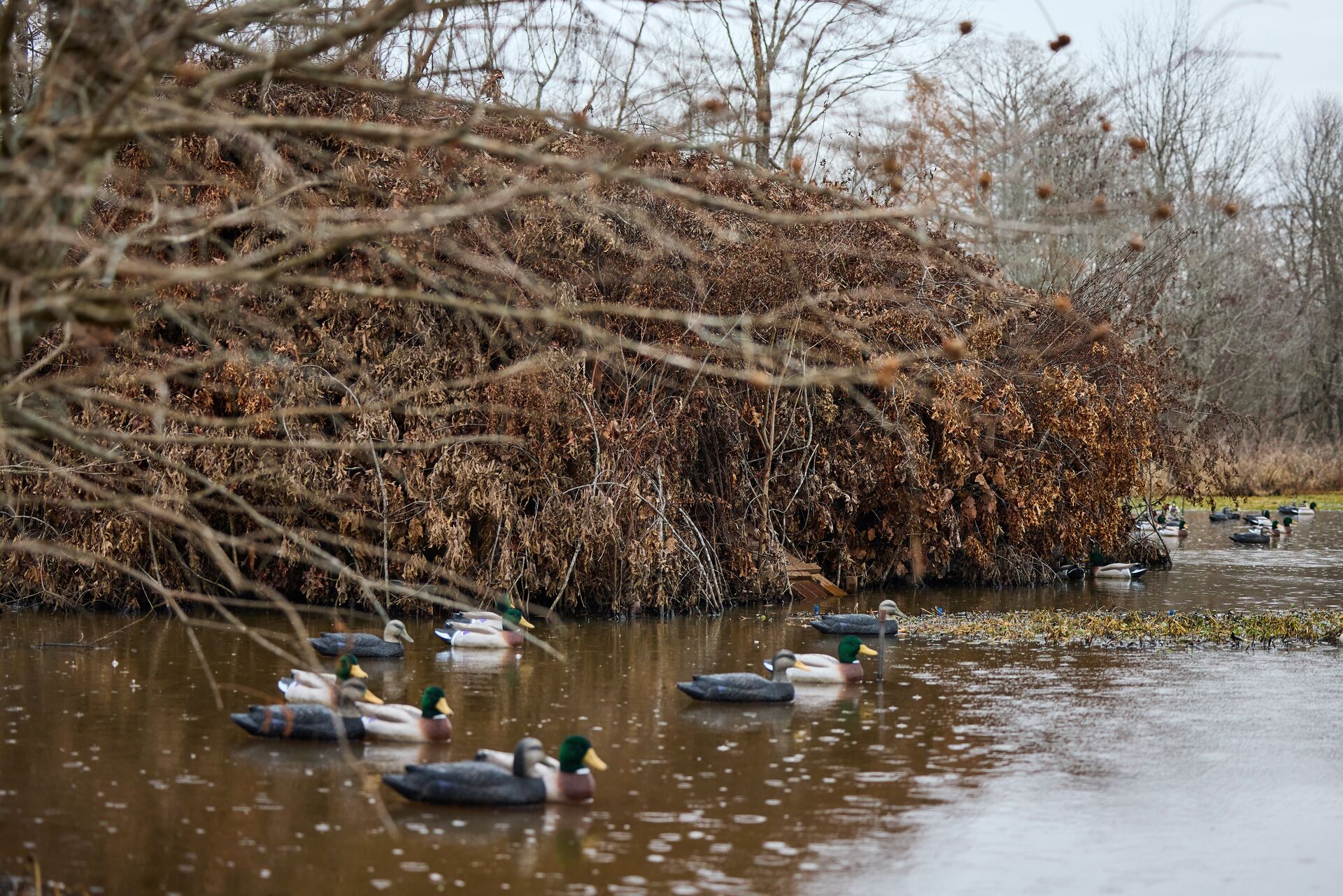
6. Set Up Smart Decoy Spreads
Ducks look for visual cues. They want to see a landing zone that looks inviting and safe. That's why your decoy placement matters just as much as other duck hunting tactics like concealment and calling.
Common decoy patterns like the "J-hook," "U," or "V" give birds a path to your shooting lane.
Also, mix up species when possible. Even if you're targeting mallards, adding teal or pintail decoys can make your spread look more natural.
Remember that ducks land into the wind, so adjust your layout based on the wind direction.
7. Time Your Shots Wisely
Patience pays off.
Wait until ducks have their wings locked and feet down, hovering over the decoys. This close-range opportunity increases your chances of a clean, ethical harvest and reduces crippled birds.
Avoid sky-busting. If the birds are out past 40 yards, they're not worth the shot. And if you're hunting in a group, always designate a shot caller for safety.
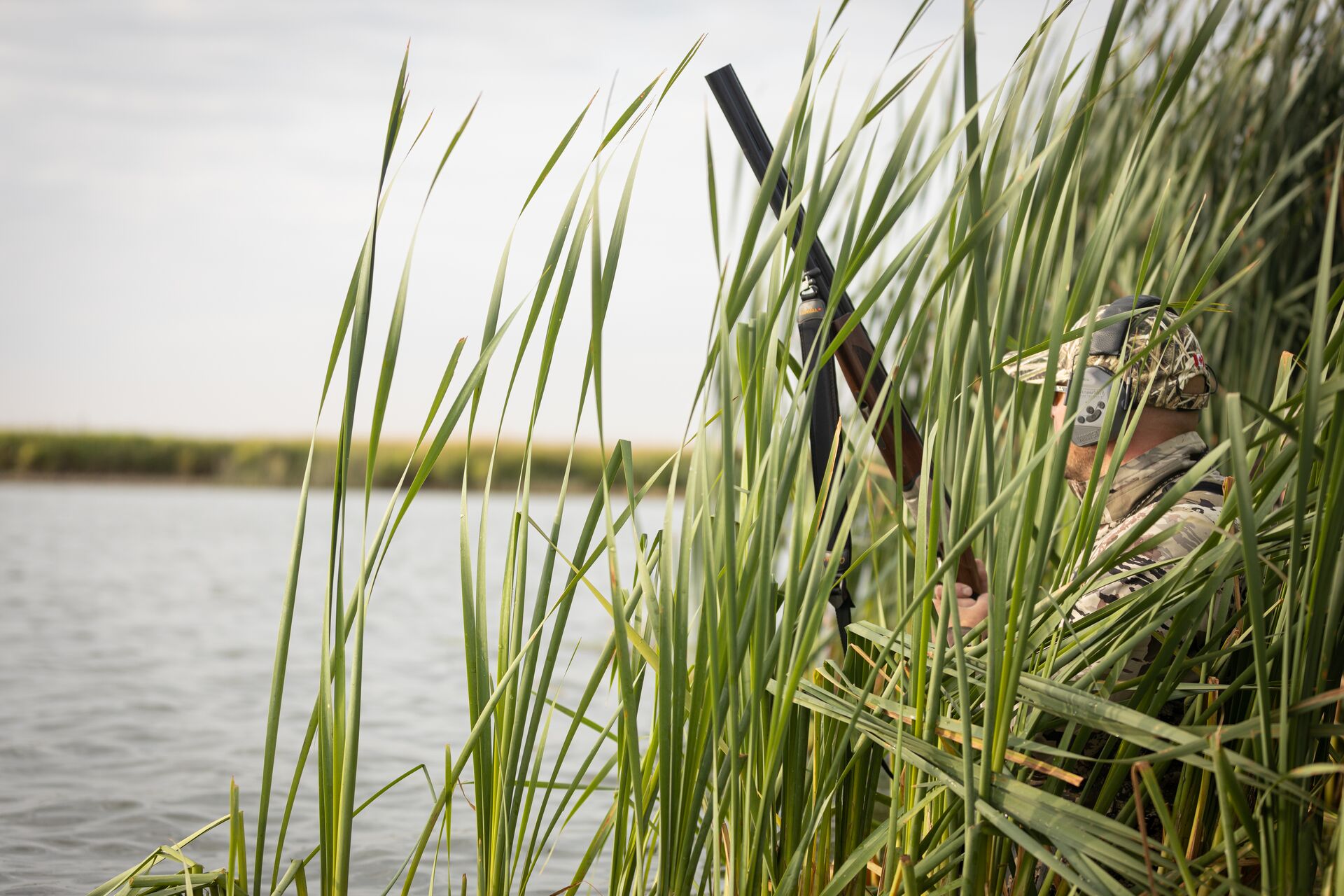
8. Concealment Is Key
No matter how good your spread or calling is, it won't matter if the ducks can see you. Ducks have excellent vision, and even slight movement will cause them to flare away.
Use natural vegetation or camo netting to blend in with your surroundings. Keep your face hidden and minimize movement while birds are working overhead. Avoid shiny gear, bright shells, or reflective surfaces in your setup.
9. Understand Duck Behavior
Here's an extra bit of duck hunting advice: Understanding the birds helps you bring home more birds!
You don't need to be a waterfowl biologist, but pay attention to:
- Weather: Cold fronts push new birds into your area. Clear, high-pressure days often slow movement.
- Migration timing: Knowing when different species pass through your region can help you time your hunts.
- Feeding habits: Ducks tend to feed early and late. Plan your sit times around their daily routine.
The more time you spend observing ducks, the better you'll hunt them.
10. Respect the Rules and the Resource
Ethical duck hunters follow the law, respect the land, wildlife, and other hunters.
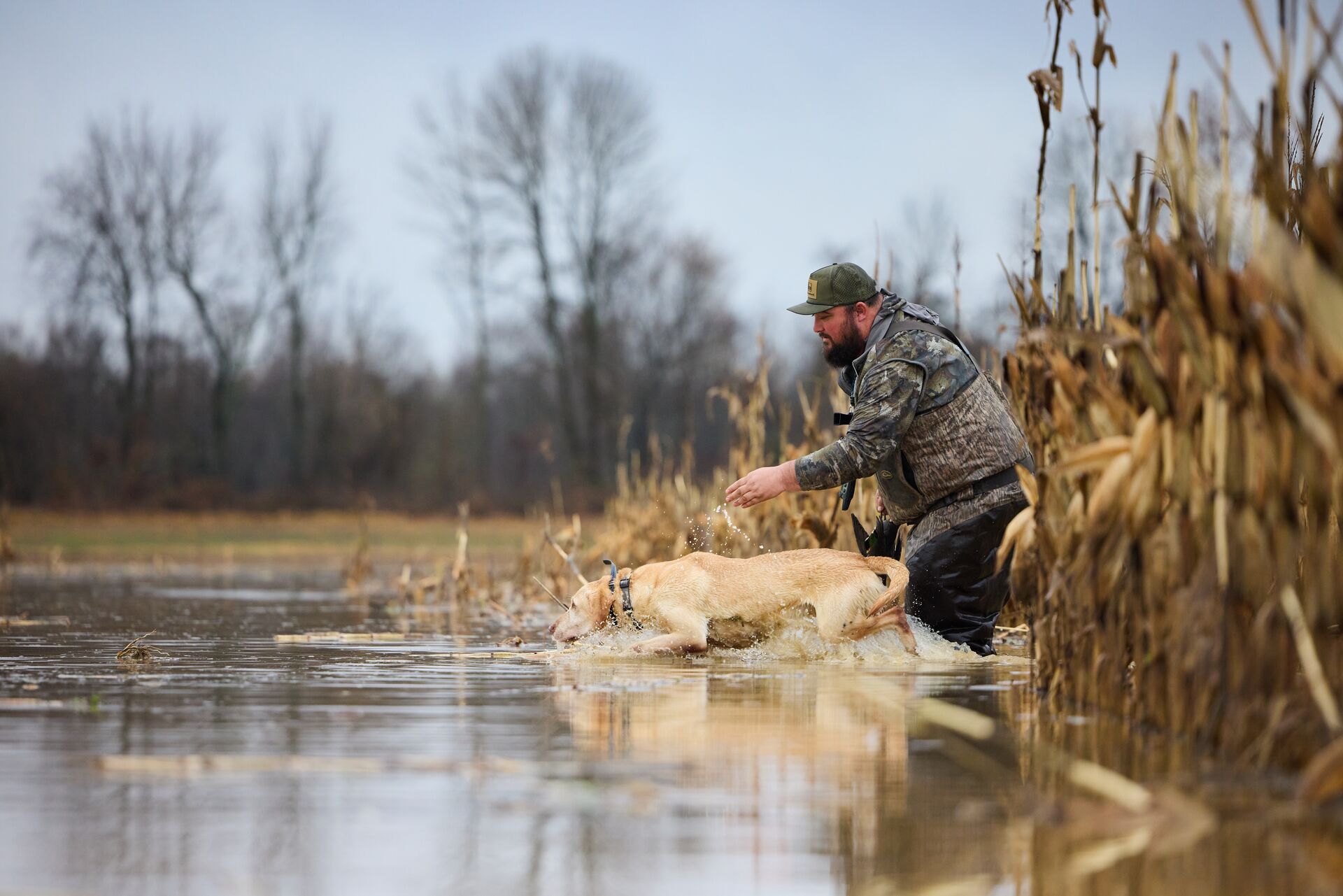
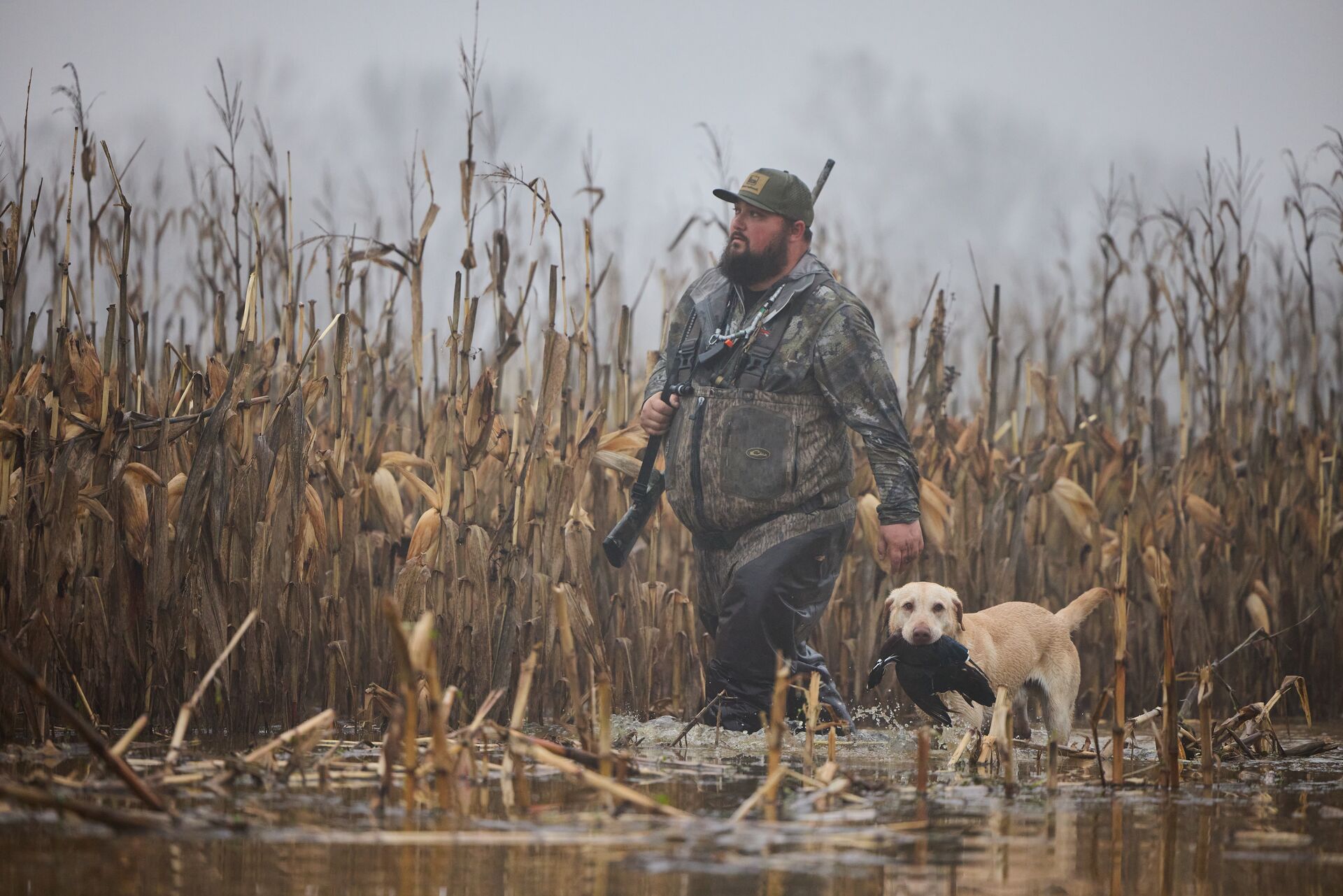
Make sure you know your local waterfowl regulations, including bag limits, season dates, and legal shooting hours. Always retrieve your downed birds by using a well-trained dog or wading out carefully.
Never leave trash behind. Spent shells, wrappers, and debris ruin the land and the image of hunters.
Use This Waterfowl Hunting Advice and Hunter Education for Successful Hunts
The most successful duck hunters are safe, respectful, and open to learning. If you're new to waterfowl hunting or just looking to sharpen your skills, the waterfowl hunting tips shared here can help you make the most of every hunt.
In addition to these tips, make sure you know how to stay safe in the field. Taking an online hunter safety course through Hunter-Ed helps you learn crucial safety techniques, traditional skills, and more to help you protect yourself and other hunters of all ages.
Plus, most states require hunters to pass a hunter education course before they can legally hunt.
So, as you think ahead to waterfowl season in your area, make sure you (and everyone in your duck hunting group) has taken the Hunter-Ed course for your state!

Find the best spot to set up for a successful duck hunt with HuntWise!
Use the app's 3-D mapping features, wind and weather predictors, and animal movement forecasting to scout and plan your hunt.
Hunter-Ed students can take advantage of a Free 30-day trial of the HuntWise app! After completing your course, visit your student dashboard for details.